
Published on
January 3, 2026
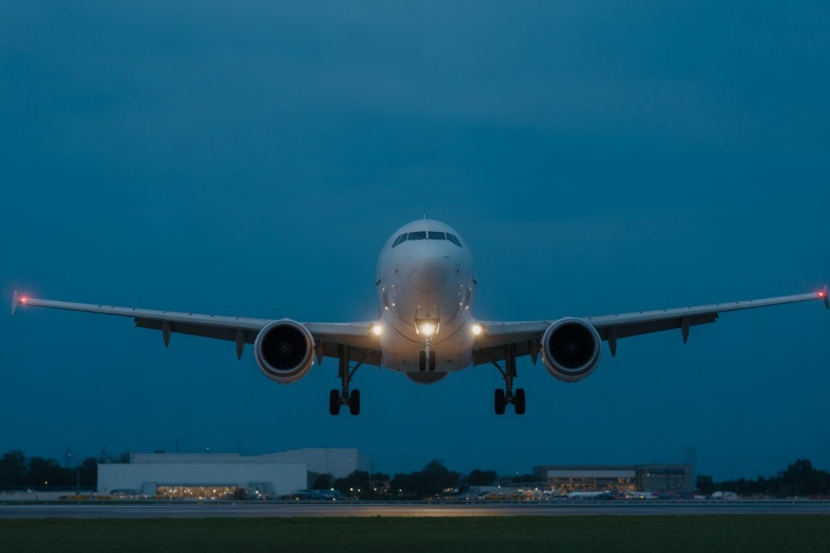
Ryanair has urged the Belgian government, led by Prime Minister Bart De Wever, to prioritize the removal of the country’s air passenger tax, following a decision that will double the levy in the coming years. The airline has indicated that the tax increase is expected to affect air traffic levels, tourism activity, and employment connected to travel services. According to the airline, the higher charge has already resulted in capacity reductions and network adjustments affecting Belgium’s role in regional and international travel flows.
The air tax is set to rise to €10 per passenger from 2027. This policy change has been linked by Ryanair to immediate operational consequences, including a reduction in available seats and adjustments to aircraft deployment. The development has been positioned as a concern for travel demand and destination accessibility, particularly as airlines reassess capacity in response to cost increases.
Capacity Reductions and Network Changes Affecting Travel
Ryanair has reported that the planned tax increase has already led to the removal of 1 million seats from its Belgium-linked operations. These reductions have been reflected in adjustments to flight schedules and the scaling back of route offerings. In addition, five aircraft previously based at Brussels Charleroi Airport have been reassigned to other markets. The airline has associated this move with the loss of a significant investment value previously tied to its Belgian base.
Alongside aircraft relocation, 20 routes have been removed from the airline’s winter 2026/27 schedule. These changes are expected to affect travel options for passengers using Belgium as a departure or arrival point. From a tourism perspective, reduced route availability may influence visitor flows, connectivity, and the overall ease of travel for tourists planning trips that involve Belgian airports.
The airline has also highlighted that Belgium risks becoming one of the more expensive air travel markets in Europe due to the higher tax burden on passengers. Increased travel costs can influence traveler decision-making, particularly for short-haul and leisure-focused trips where price sensitivity is higher.
Travel Costs and Tourist Decision-Making
From a tourism and travel standpoint, pricing remains a central factor in how travelers plan journeys and choose destinations. When air travel costs rise, destinations connected through those routes can experience shifts in demand. Travelers often respond to higher fares by reconsidering travel frequency, adjusting itineraries, or selecting alternative gateways.
Air passenger taxes form part of the overall cost structure faced by travelers. When these charges increase, the effects can extend beyond airlines to hotels, local transport providers, and tourism-related businesses that rely on steady visitor numbers. For destinations served primarily by low-cost carriers, affordability plays a significant role in maintaining consistent tourist flows.
In this context, airline capacity decisions are closely linked to broader travel patterns. Route reductions and aircraft reallocations can alter how tourists access destinations and may influence seasonal travel planning. While such shifts are operational decisions by airlines, their downstream impact is often felt across the tourism ecosystem.
Tourism Connectivity and Airline Presence
Airline presence at an airport contributes to its connectivity and relevance within regional travel networks. A strong base of aircraft and routes can support both inbound and outbound tourism by providing travelers with multiple scheduling options and competitive pricing. Conversely, a reduction in based aircraft and routes can lead to fewer choices for travelers and potentially lower visibility for destinations connected through that airport.
The relationship between aviation policy and tourism performance is often reflected in how airlines respond to regulatory and fiscal changes. Taxes applied to passengers can influence where airlines choose to allocate capacity, particularly when alternative markets offer lower operating costs or incentives designed to encourage traffic growth.
For travelers, consistent connectivity supports confidence in planning future trips. Stability in airline networks allows tourists to book accommodations and activities with greater certainty. Changes to route availability, especially in winter schedules, can reshape travel behavior during off-peak periods that are still important for sustaining tourism activity.
Comparison With Other European Policy Approaches
Ryanair has pointed to policy developments in other European Union countries, including Sweden, Hungary, Italy, and Slovakia, where air passenger taxes have been reduced or removed. These measures have been associated by the airline with efforts to support airline activity and tourism growth.
Such policy shifts have been framed as tools to improve competitiveness in attracting airline capacity and stimulating travel demand. By lowering costs for passengers, destinations may become more attractive to tourists, particularly in price-sensitive segments such as leisure and short-break travel.
In contrast, the increase in Belgium’s air tax has been presented by the airline as a factor that could discourage airlines from expanding operations in the country. From a travel industry perspective, differences in national aviation policies can influence where airlines choose to grow or consolidate services.
Implications for Tourism and Employment Linked to Travel
Tourism-related employment is closely tied to air connectivity, especially in markets where air travel is a primary means of access. Airlines, airports, hospitality providers, and ancillary services form interconnected networks that rely on consistent passenger volumes. When flight capacity is reduced, the effects can extend across these sectors.
Ryanair has reiterated that the removal of the air tax would be necessary to restore traffic levels, tourism activity, and employment linked to air travel in Belgium. The airline has urged the government to act promptly to avoid further reductions in capacity and to support the country’s position within the European travel market.
As Belgium approaches the implementation timeline for the higher tax in 2027, the interaction between aviation policy and tourism performance remains a focal point for industry stakeholders. Decisions made at the policy level can shape travel patterns, airline strategies, and the overall accessibility of destinations for tourists.
Image Source: AI
