
Published on
January 6, 2026
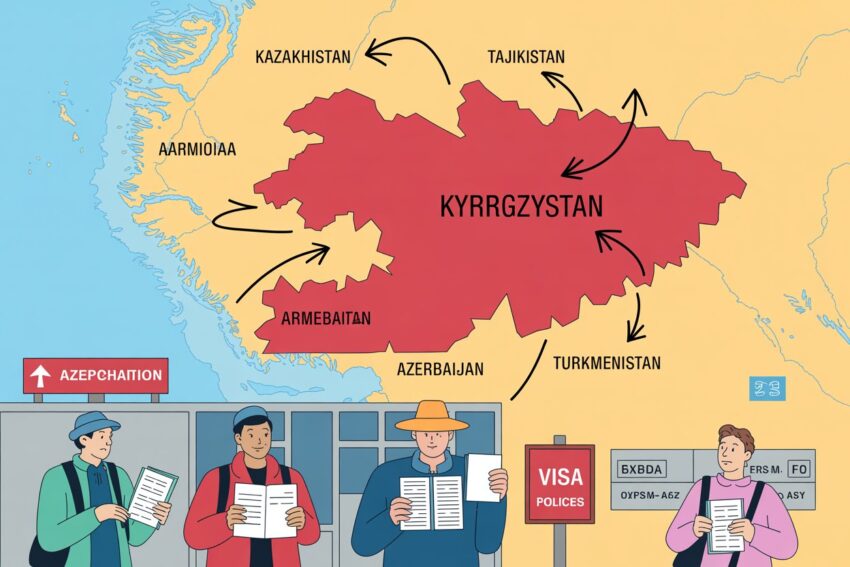
In a major shift in its immigration policy, Kyrgyzstan has announced significant changes to its visa-free stay rules for nationals of several countries. As of December 31, 2025, the government of Kyrgyzstan has reduced the length of stay for nationals from 55 countries, effectively shortening the time travelers can remain in the country without requiring a visa. Among the countries affected, Kazakhstan, Uzbekistan, Tajikistan, Armenia, Azerbaijan, and Turkmenistan will face the most severe changes. These countries, which had enjoyed long-standing visa exemptions or relaxed visa rules for their nationals, are now subject to more stringent regulations, potentially altering the travel experience for many in the Central Asia and Caucasus region.
What the Changes Mean for Travelers from the Affected Countries1. Shortened Visa-Free Stays
- Under the new policy, the visa-free stay for nationals from the affected countries will be shortened. While some travelers may have been able to stay in Kyrgyzstan for up to 60 days without a visa, the new regulations reduce this to a much shorter period. This change could disrupt travel plans for both tourists and business travelers planning extended stays in Kyrgyzstan.
2. Increased Administrative Burdens
- For those who wish to stay longer than the newly allotted visa-free period, the process of applying for a visa will become more bureaucratic and time-consuming. Travelers from the affected countries will now need to complete additional paperwork and provide more documentation to obtain the necessary visa extensions or permits, adding to the overall hassle and cost of their travel plans.
3. Impact on Business and Trade
- The decision is expected to affect business travelers from countries like Kazakhstan, Uzbekistan, Tajikistan, and Turkmenistan, who often travel to Kyrgyzstan for work, conferences, and trade-related activities. With the reduced visa-free stay period, professionals from these countries may have to adjust their schedules, leading to delays in business operations and possible interruptions in ongoing projects or collaborations.
4. Travelers’ Strain on Regional Mobility
- For tourists from the affected countries, these changes may have serious implications for their travel plans. Cultural and economic exchanges within the Central Asia and Caucasus regions have been facilitated by easy mobility. With the visa-free stay now limited, those traveling for tourism, family visits, or cultural experiences will likely face disruptions, making the visas and border-crossing procedures more complex and time-consuming.
Why Kyrgyzstan Has Made These Changes1. Streamlining and Transparency of Immigration Policies
- The primary aim of these changes is to streamline and increase the transparency of Kyrgyzstan’s immigration and migration policies. The government’s goal is to control and monitor the flow of foreign nationals more closely, ensuring that only those who meet the country’s specific entry requirements are granted extended stays.
- With regional and international mobility on the rise, Kyrgyzstan has found it necessary to adjust its rules to better balance welcoming foreign nationals with maintaining control over its borders.
2. Balancing Regional Relations
- While the visa changes are largely seen as a measure to enhance national security and immigration control, the policy also aims to balance the country’s regional relationships. By introducing stricter regulations for certain neighboring countries, Kyrgyzstan may be responding to growing concerns about immigration policy and the impact of cross-border movements.
Specific Impact on the Affected Countries1. Kazakhstan
- Kazakh nationals, who frequently travel to Kyrgyzstan for business and tourism, will face a shorter visa-free stay, possibly affecting the Kazakh-Kyrgyz border traffic, which is vital for regional commerce.
2. Uzbekistan
- Uzbekistan’s close trade and cultural ties with Kyrgyzstan will be challenged by these changes, especially as Uzbek nationals often travel to Kyrgyzstan for business negotiations and cultural exchanges. The new regulations will likely complicate routine travel for these purposes.
3. Tajikistan
- Tajik citizens, many of whom work or have family members in Kyrgyzstan, will also see their travel plans affected. The changes to the visa rules may create additional hurdles for those planning longer stays to visit relatives or for work purposes.
4. Armenia
- Armenian travelers will experience inconvenience with the reduced visa-free period, especially as Armenia has strong ties with Kyrgyzstan in both trade and cultural sectors. Shorter stays could affect individuals with business or academic links between the two countries.
5. Azerbaijan
- Azerbaijanis, traveling to Kyrgyzstan for business, educational exchanges, or tourism, will also feel the pinch. The newly enforced visa policy will affect the length of stay and possibly increase the administrative process involved in obtaining longer stays or renewals.
6. Turkmenistan
- For Turkmen nationals, the changes in visa rules may complicate visits to Kyrgyzstan for both trade and personal reasons. Turkmenistan has been fostering closer ties with Kyrgyzstan, and the new visa regulations may slow down that progress.
What Travelers Need to Do Now1. Check Visa Requirements
- Travelers from the affected countries should be aware of the new rules and check the specific visa requirements before planning any trip to Kyrgyzstan. It’s advisable to consult the official government website or speak to the nearest embassy or consulate for accurate visa application details.
2. Plan for Possible Delays
- As administrative procedures may become more complex, travelers should expect delays in visa processing. It’s recommended to apply for visas well in advance and keep track of any updates from Kyrgyzstan’s immigration authorities.
3. Consider Alternative Travel Options
- For those whose travel plans may be severely affected by the new rules, considering alternative destinations within the Central Asia region may be worthwhile. Kazakhstan, Uzbekistan, and Tajikistan offer similarly rich cultural experiences and business opportunities, which may not be subject to the same visa restrictions.
Conclusion: Adjusting to New Regulations and Regional Travel Shifts
The decision by Kyrgyzstan to shorten the visa-free stay for nationals from Kazakhstan, Uzbekistan, Tajikistan, Armenia, Azerbaijan, and Turkmenistan is likely to have a profound impact on both regional mobility and bilateral relations. While the changes are aimed at improving immigration controls and enhancing the country’s security and transparency, they will undeniably affect travelers from these neighboring countries. For travelers planning to visit Kyrgyzstan, it is important to stay informed and adjust travel plans accordingly, ensuring that they comply with the updated visa requirements. The evolving immigration landscape in Kyrgyzstan reflects broader trends in Central Asia’s efforts to balance open borders with national security priorities
