
Published on
January 7, 2026
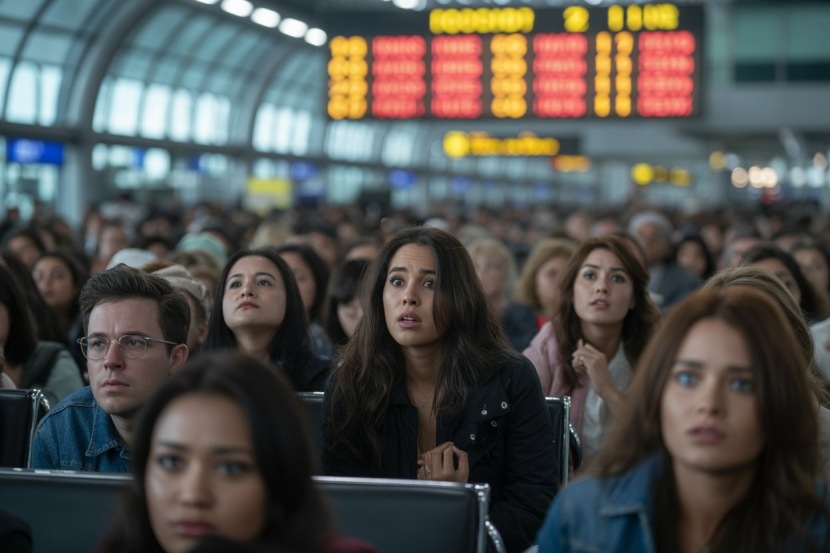
Hundreds of passengers stranded around New Zealand and Australia Today as Sydney (147 delays, 6 cancellations), Melbourne Tullamarine (141 delays, 6 cancellations), Brisbane (178 delays, 3 cancellations), Auckland (66 delays, 2 cancellations), Christchurch Intl (20 delays, 2 cancellations), and Wellington Intl (15 delays, 0 cancellations), highlighting widespread but uneven flight disruption across Australia and New Zealand.
The most affected airlines included Jetstar (7 cancellations, 163 delays), Qantas (2 cancellations, 113 delays), Virgin Australia (4 cancellations, 67 delays), QantasLink (4 cancellations, 59 delays), and Air New Zealand (0 cancellations, 51 delays). Other widely used airlines also experiencing delays or cancellations included Emirates, Singapore Airlines, Cathay Pacific, Alliance Airlines, United Airlines, and Qatar Airways.
- Updated today, the combined network recorded 586 disrupted flights, dominated by delays rather than cancellations.
- Brisbane Airport saw the highest delay volume at 178 delayed flights despite limited cancellations.
- Sydney and Melbourne each logged 6 cancellations, making them the leading cancellation hubs.
- Jetstar accounted for the largest share of overall disruption among airlines.
- New Zealand airports experienced lower disruption levels compared with Australian hubs.
Most Affected AirportsBrisbane Airport
Brisbane emerged as the most delay-heavy airport with 178 delays and 3 cancellations, largely driven by domestic carriers, making it the single largest contributor to overall disruption.
Sydney Airport
Sydney recorded 147 delays and 6 cancellations, placing it among the most operationally strained hubs, with both domestic and international services affected.
Melbourne Tullamarine Airport
Melbourne matched Sydney on cancellations with 6 cancelled flights, alongside 141 delays, reflecting sustained congestion across major airlines.
Auckland Airport
Auckland reported 66 delays and 2 cancellations, marking the highest disruption level in New Zealand but remaining well below Australian volumes.
Christchurch International Airport
Christchurch experienced 20 delays and 2 cancellations, indicating limited but noticeable disruption, primarily concentrated among a small number of airlines.
Wellington International Airport
Wellington saw 15 delays and no cancellations, making it the least affected airport in the dataset.
Airlines Most Affected by Flight Cancellations and DelaysJetstar
Jetstar led all carriers with 7 cancellations and 163 delays, making it the most disrupted airline overall.
Qantas
Qantas recorded 2 cancellations and 113 delays, reflecting widespread delay exposure across multiple airports.
Virgin Australia
Virgin Australia logged 4 cancellations and 67 delays, positioning it among the top three most affected airlines.
QantasLink
QantasLink saw 4 cancellations and 59 delays, highlighting regional network disruption.
Air New Zealand
Air New Zealand experienced 51 delays with no cancellations, making it the most affected airline in New Zealand by delay volume alone.
How Passengers Were Impacted at Major Airports
- Longer waiting times at departure gates due to rolling delays
- Missed onward connections, particularly on multi-leg itineraries
- Increased rebooking and standby demand during peak travel windows
- Pressure on airport services and airline support desks
- Heightened uncertainty for travelers with tight schedules
Overview of Oceania Flight Cancellations
Across Australia and New Zealand, flight disruptions were concentrated among Jetstar, Qantas, Virgin Australia, QantasLink, Air New Zealand, and Emirates, with Australian hubs such as Sydney Airport, Melbourne Tullamarine Airport, and Brisbane Airport recording the highest volumes. In New Zealand, Auckland Airport and Christchurch International Airport saw comparatively lower disruption, while Wellington International Airport remained largely unaffected. The overall pattern underscores a delay-driven disruption cycle across both countries, with cancellations remaining relatively contained but operational strain clearly visible at the region’s busiest airports.
Image Source: AI
Source: Different airports and FlightAware
