
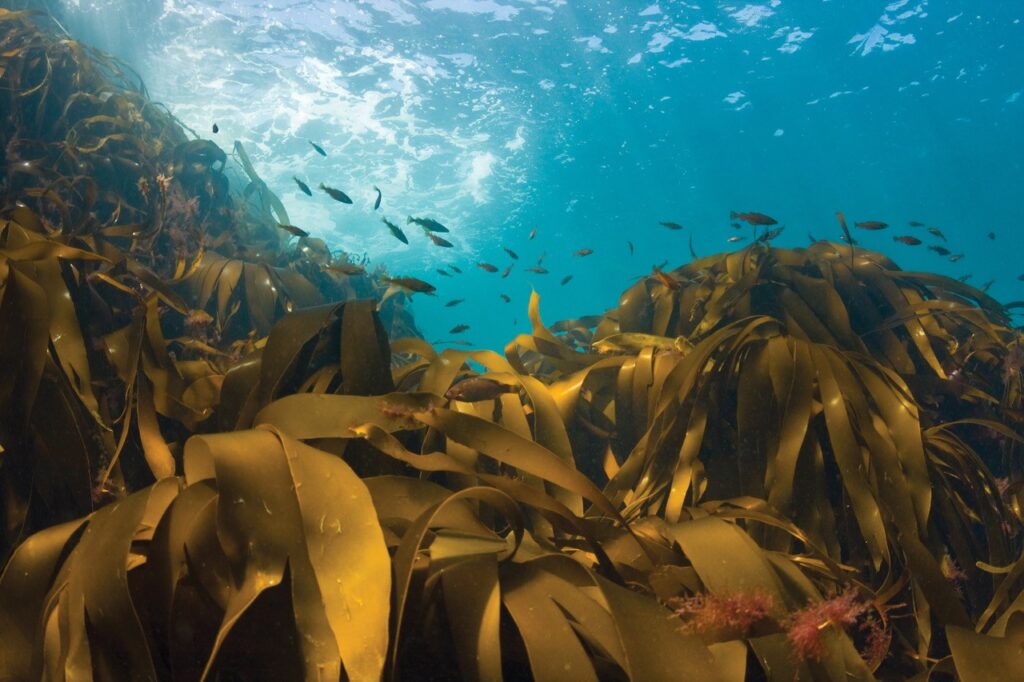
Sark’s government wants to establish a protected marine area around the island… but what lessons can it learn from Jersey on its voyage?
The dark sky island wants to capitalise on the notoriety that can be gained internationally from protecting its natural assets by drawing a Marine Protect Area around its territorial waters.
Chief Pleas’ Agriculture, Environment & Sea Fisheries Committee proudly announced the move to ensure it is “highly protected” just before Christmas when it brought a bid to the parliament for its ‘Christmas’ meeting at the end of January.
They say it will acknowledge current environmental practices while bolstering protections against pollution and damaging fishing practices such as trawling inside inshore waters while permitting low impact fishing for recreation and tourism.
The island’s politicians will be asked to agree to the principles of a vision for marine areas and order the Committee to consult wider with interested and affected parties.
A vision for the sea
The Committee was supported by local group La Société Sercquaise and the Blue Marine Foundation to draw up this vision to formally designate its waters.
Immediate moves to restrict netting have already been put forward, while Blue Marine have reviewed the current laws, mapped current habitats and tested the appetite of the community.
Sark has control over 3 nautical miles of water around it, and a review of the legislation points out its current management of it could lead to a “highly protected” designation with little to no effort.
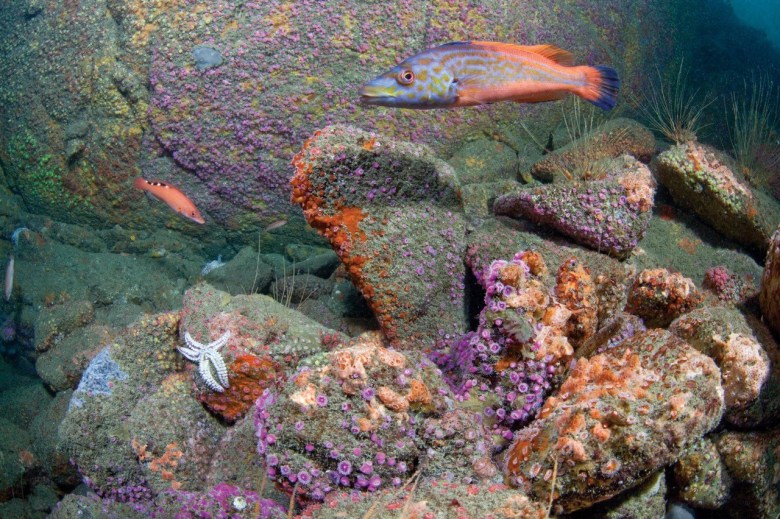
There are already long-standing laws prohibiting dredging and trawling as well as restrictions on the fishing of shellfish such as ormers during breeding seasons.
Only additional restrictions on trawling non-inshore waters would be necessary to achieve this, it was pointed out.
It’s hoped formal plans can be brought to Chief Pleas in April before registration with an international body by October.
The hope is bolstering the island’s nature credentials will spur eco-tourism, with Committee Chair Conseiller Helen Plummer saying the work is a “natural step in Sark’s journey as a responsible custodian of its seas”.
Freddie Watson, Channel Islands Project Manager for Blue Marine, said the move would “place Sark firmly on the global marine protection map, ensuring its waters are safeguarded in the long term, benefitting nature, climate and generations to come.”
Looking over the water
Jersey’s government has been pushing ahead with similar plans for years, with more detailed guidelines on the protected areas due to be published soon following economic impact research.
Jersey’s intention – as is Sark’s – was to protect its fishing areas by 2030 in line with international environmental commitments to safeguard 30% of the world’s oceans before the next decade.
But Norman, Breton and Jersey fishers called on the island to push back its implementation of the scheme until 2030 in October.
Jersey’s Environment Minister accepted there may be some wiggle room as to who is allowed to fish in certain areas, but insisted the no-take zones were a red line.
Concessions were given to some French fishers who rely almost exclusively on certain areas of Jersey waters for their livelihoods – and these were guaranteed to be open until 2030.
While dredging and trawling may be restricted in some places, they will still be open for “static” fishing involving divers and pots.
Further concessions may also be necessary based on additional economic analysis which evaluates how damaging the restrictions may be on certain fishers.
Sark is already facing significant challenges in its fishing areas, as noted in the fisheries annual report for 2025.
Warming seas and the influx of octopus are adversely affecting fresh and shellfish catches, as documented elsewhere in France and the British Isles.
Netting has been deployed in response, but this comes with a high environmental impact and has caused conflict between recreational and commercial fishers, the report notes.
The Committee wants to protect stocks in response to these issues and says “there may be need for putting in place a bag limit for the amount of fish caught in a day.
“Longer term, we may have to look at buying in juvenile lobster to restock the grounds but whilst there are octopus around this would be pointless. The Committee will keep this under review.”
Related