
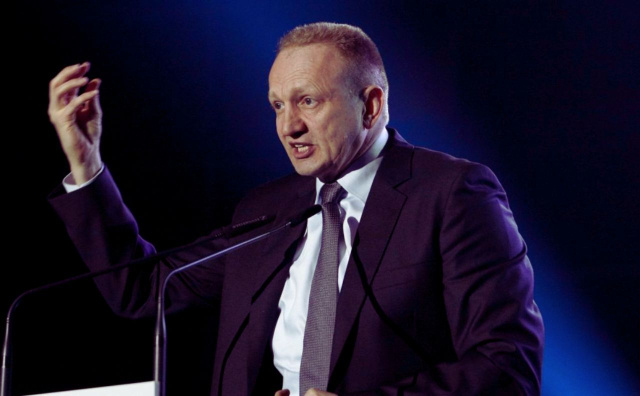
Serbian opposition leader Dragan Djilas has argued that EU membership has been decisive for Bulgaria’s economic progress, saying Bulgarians are now about 80 percent wealthier than Serbs because Bulgaria joined the European Union while Serbia did not. Speaking to N1 TV, Djilas said both countries started from a similar level of GDP in 2008, but their paths diverged after Bulgaria’s accession, which he cited as a clear example of the benefits of EU integration for Serbia.
Djilas said five opposition groups in Serbia have now agreed on joint pro-European actions. According to him, the common platform was formed in preparation for the arrival of a European Parliament delegation, a visit the opposition has been calling for over the past two years amid demands for fair election conditions. He said the united opposition intends to clearly present the situation in Serbia to the European lawmakers.
He pointed to what he described as blatant election irregularities, including cases of mass voter registration at single addresses. Djilas recalled a press conference he held about a shack on Prešernova Street where 51 people were registered before the elections, as well as a nearby building with 200 registered residents. He said such examples, together with public events and protests, would help the European Parliament delegation grasp the scale of the problems in the country.
According to Djilas, recent student and civic protests have exposed a broader pattern of abuses, including election fraud, the erosion of democratic standards, restrictions on media freedom, widespread violations of rights, and what he described as excessive use of force by the police. He said these developments illustrate the depth of the crisis Serbia is facing.
Djilas stressed that the opposition is not calling on Europe to govern Serbia, but expects the country to respect the obligations it has undertaken as an EU candidate. He argued that Serbia must comply with established rules, adding that President Aleksandar Vučić has no genuine intention of joining the EU despite Serbia’s strong financial and trade dependence on the bloc.
He also noted growing expectations of targeted personal sanctions, saying various names are being discussed and that individuals believed to be involved in business circles fear inclusion on U.S. sanctions lists. Djilas said there are expectations that other countries could follow Washington’s lead in the coming months.
The opposition leader reiterated his call for early parliamentary elections in Serbia later this year, following recent statements by President Vučić suggesting such a vote could take place.