

What’s the news?
- A corruption investigation by the European Public Prosecutor’s Office (EPPO) into a Bulgarian gas project with high geopolitical stakes has run aground. The probe targeted alleged corruption surrounding the expansion of Bulgaria’s Chiren gas storage facility.
- The EPPO suspended Teodora Georgieva, its Bulgaria representative, when she spoke out to the media following the publication of compromising video of her in conversation with a former official accused of corruption, who is now a fugitive.
- Georgieva has filed a challenge to the EPPO’s suspension, Follow the Money can reveal. She also claims that the death of her mother in a fire last year, when the investigation was ongoing, was of “probable criminal origin”.
Why does it matter?
- The case’s dramatic implosion points not only to dysfunction in Bulgaria but also the limits of the European anti-corruption body, as it relies on local law enforcement.
- The stalled gas project in question also has widereaching geopolitical implications, as it was designed to help wean Southern Europe off Russian energy, and has long been opposed by Moscow.
How was this investigated?
- FTM constructed a timeline of the long-delayed gas project, and Georgieva’s complex investigation into the surrounding corruption. Reporters also examined public documents from U.S., EU, Bulgarian and international arbitration courts, and from public agencies.
- FTM spoke with a range of confidential sources and as well as on-the-record experts, from former diplomats to specialists in Bulgarian politics, energy and law. The European Public Prosecutor’s Office, named officials, and Georgieva herself were all approached for comment.
Read more
Fold in
Teodora Georgieva, Bulgaria’s representative to the hard-charging European Public Prosecutor’s Office, was hurtling toward the most important confrontation of her career – the summoning of a top Bulgarian official at the centre of a massive corruption scandal.
For the 49-year-old Bulgarian prosecutor, and indeed for the EPPO, the EU’s main anti-corruption force, the stakes could not have been higher.
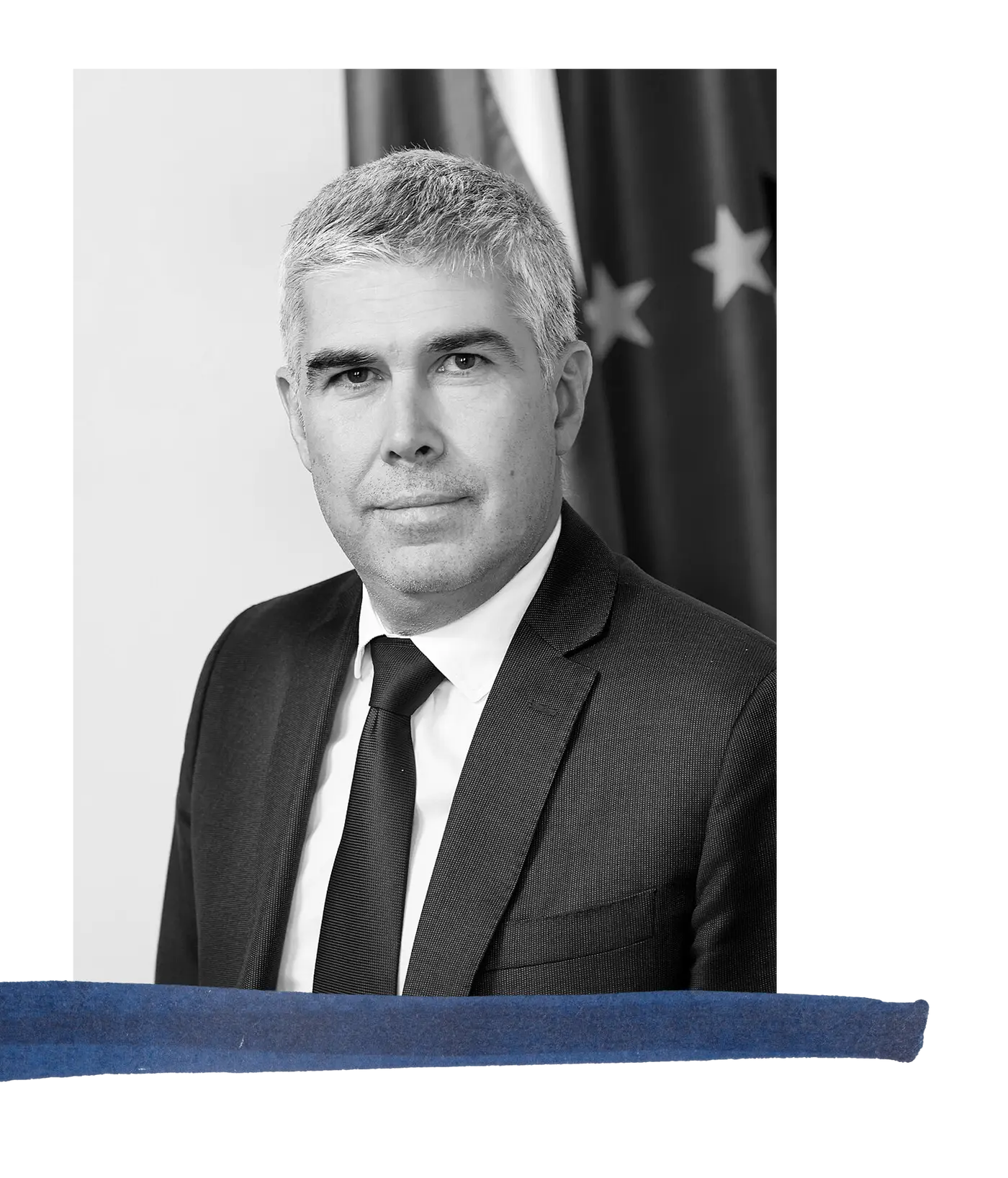
The summoned official, Vladimir Malinov, had been overseeing a botched contract to expand gas storage fields in a remote Bulgarian village, backed by both the EU and the U.S. – but opposed by Moscow as it would help unplug much of Southern Europe from Russian gas.
Malinov was the head of the state gas monopoly, Bulgartransgaz EAD, and a close ally of some of the most powerful figures in Bulgaria, where no significant political figure has been successfully prosecuted since the fall of communism.
Malinov had presided over a contracting process that had generated fraud and extortion allegations from subcontractors, and charges of mismanagement by experts and Bulgartransgaz’s own auditor.
The Georgieva-Malinov encounter was set. The date: last 24 March. The Place: EPPO’s office in Sofia.
Our journalism is only possible thanks to the trust of our paying members. Not a member yet? Sign up now
Then: chaos, Bulgaria style, that would derail a legal career, a major investigation and a vital energy project.
It unraveled over a few wild weeks that included a sudden death, reports of threats, and a media campaign featuring compromising videos of Georgieva meeting an allegedly corrupt court official.
“The EPPO cannot expect effective results [in Bulgaria]”
Malinov never showed up to the meeting. In her last public comments on the job as the EPPO’s Bulgaria representative, Georgieva alleged that the U.S.-sanctioned oligarch Delyan Peevski had been involved in the botched contracts.
Georgieva, once a rising star in legal circles, was suspended the day after her comments.
Today, the investigation she led is in limbo and the crucial energy project delayed – again.
Observers said the case shone a harsh light not only on Bulgarian institutional dysfunction but also its high cost to European security. Just as ominously, it also points to a potentially fatal flaw in the EU’s anti-corruption model – its reliance on local law enforcement where the rule of law is compromised.

“The EPPO cannot expect effective results [in Bulgaria],” Iliana Boycheva, an analyst at Sofia’s Center for the Study of Democracy, told Follow the Money. “One possible message this case sends is that if you dare to prosecute corruption cases that affect the interests of powerful individuals, there may be serious consequences for you.”
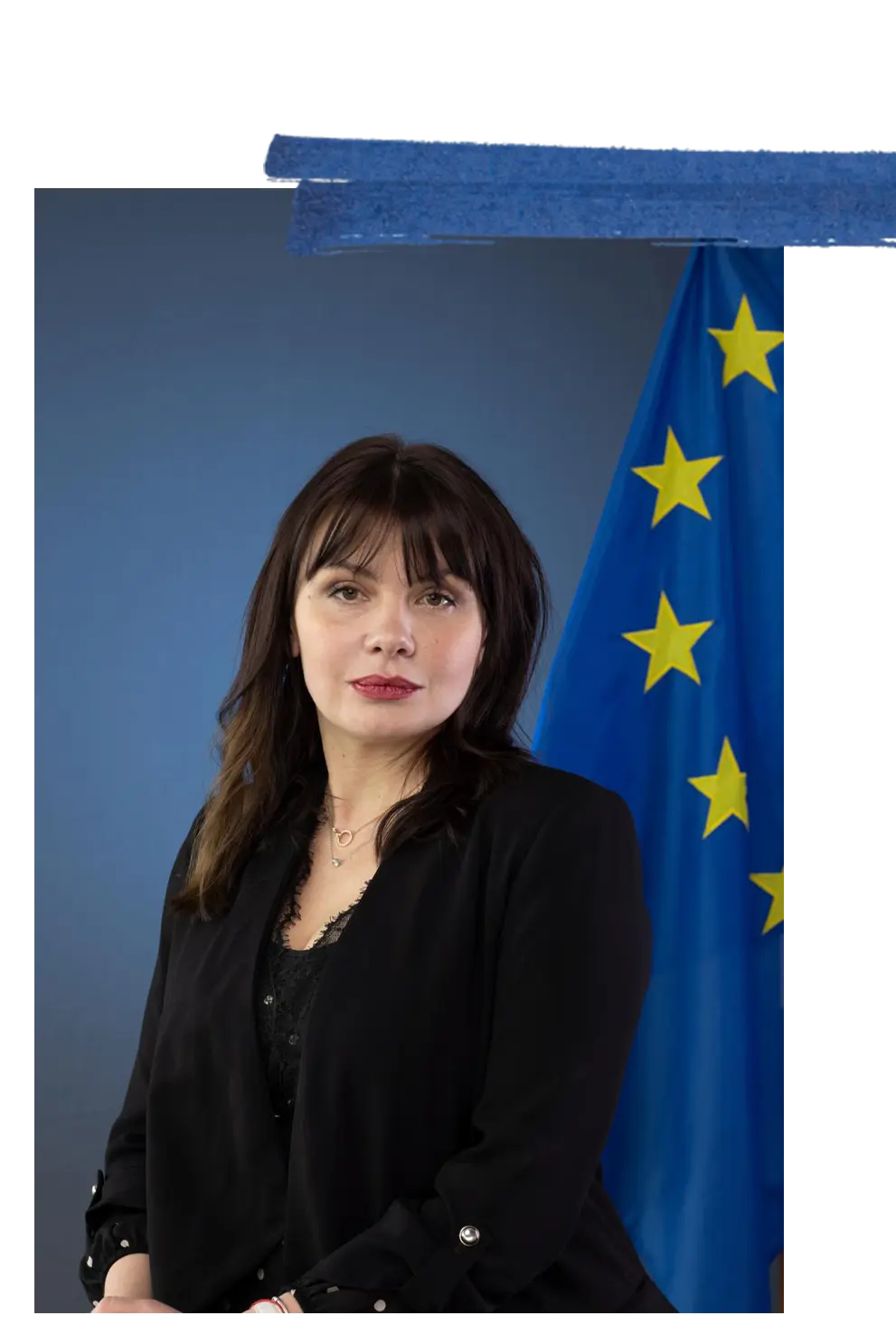
Teodora Georgieva
© EPPO
Andrey Yankulov, senior legal expert at Bulgaria’s Anti-Corruption Fund, told Follow the Money that few Europeans understand the extent to which the country’s court system is controlled by powerful interests. “You cannot speak about rule of law in Bulgaria when you have captured institutions,” he said.
So far, the only person to face legal consequences in the EPPO investigation is Georgieva herself, the prosecutor who may have pushed too hard.
Now, she’s pushing back. Georgieva is challenging her suspension in the European Union’s Court of Justice, according to a complaint seen by Follow the Money. She argues that EPPO’s actions breached obligations of impartiality and the presumption of innocence, among other principles.
Russian interference?
The project at the heart of the EPPO investigation – to vastly expand a natural gas field in the Bulgarian village of Chiren – would be a huge step in unplugging southeastern Europe from Russian energy giant Gazprom.
Despite its obvious national and strategic importance, the Chiren expansion has been stalled in the Bulgarian bureaucracy since at least 2011.
This delay has fueled suspicions of Russian interference, said Ilian Vassilev, a former Bulgarian ambassador to Moscow and now a policy analyst.
Russia “does not want anything to divert its [gas] flows”, he told Follow the Money.
Only after Russia’s full-scale invasion of Ukraine did Bulgartransgaz finally put the project out to tender in March 2022.
This came as the European Commission chose Chiren as the only natural gas project for its Connecting Europe Fund, which granted 78 million euros shortly after the launch of Moscow’s invasion to help “the whole region to resist threats to its gas supply by Russia”.
The U.S. Development Finance Corporation, an agency that backs projects related to U.S. security, guaranteed a loan for a further 364 million dollars.
But the process appeared mismanaged from the start.
First Bulgartransgaz baffled bidders by breaking the job into three separate contracts, raising costs and safety concerns. Foreign bidders said the unusual practice would exclude larger international firms.
Brushing aside the complaints, Bulgartransgaz awarded all three contracts to consortia led by Glavbolgarstroy Holdings, or GBS. The Sofia-based firm drew scrutiny from Bulgarian media and anti-corruption groups after having won a string of major contracts under governments run by Bulgaria’s dominant party GERB.
GBS then farmed out the work to a series of foreign subcontractors, replacing one with another, which sparked complaints and lawsuits from the contractors in question.
The firm also abruptly changed the contract’s technical specifications, switching to a cheaper drilling method – with alarming safety implications.
Explosive allegations
PM Lucas Kazakhstan – a unit of the engineering company PM Lucas, one of the subcontractors initially hired for the project – sent Bulgartransgaz boss Malinov nine letters in six months up to the spring of 2024, alleging the project was “plagued by severe ethical, legal, technical, procurement, and safety concerns”.
It warned that the changes were so reckless that, among the “realistic outcomes,” aside from danger to Chiren residents, was a “catastrophic” explosion so big that “the airspace over Bulgaria and Romania could be compromised for significant periods of time”.
The correspondence was published by the Anti-Corruption Fund, a Bulgarian investigative non-profit.
In a letter to the Bulgarian energy minister via its law firm, PM Lucas also alleged it had received “confidential” information that “influential political actors” were trying to force it off the job, adding, “in particular, we are investigating the possibility that such political actors include Delyan Peevski”.
Malinov “completely ignored” all nine letters, according to PM Lucas’s lawyer, Brian O’Bleness.
GBS promptly moved on from PM Lucas in favor of a Turkish-American subcontractor, an affiliate of Middle East Air Drilling Services, which soon too was complaining of threats.
In a letter to U.S. senators and members of Congress, Ismet Yucetas of Middle East Drilling Services, claimed that during a contract dispute with GBS, he had been “indirectly referred to Delyan Peevski” and subsequently threatened with the destruction of his company.
Read more
Fold in
Bulgartransgaz, however, approved GBS’s change requests one after the other. Malinov presided, shifting from Bulgartransgaz CEO, to acting Energy Minister in April 2024, and back again this year.
Meanwhile, a top Bulgartransgaz auditor, Velko Peev, detailed in reports to Malinov a string of what he described as the project’s procurement law and safety violations.
Instead of investigating the warnings, Bulgartransgaz fired Peev, who later told Bulgaria’s Anti-Corruption Fund he received anonymous death threats.
That spring, Peev sent a series of complaints to the EPPO, which is based in Luxembourg.
Enter Georgieva
A cornerstone of the EU’s anti-corruption efforts, the EPPO has been led since 2019 by Kövesi, once described by The Guardian as the “quiet, unassuming chief prosecutor who is bringing in the scalps”.
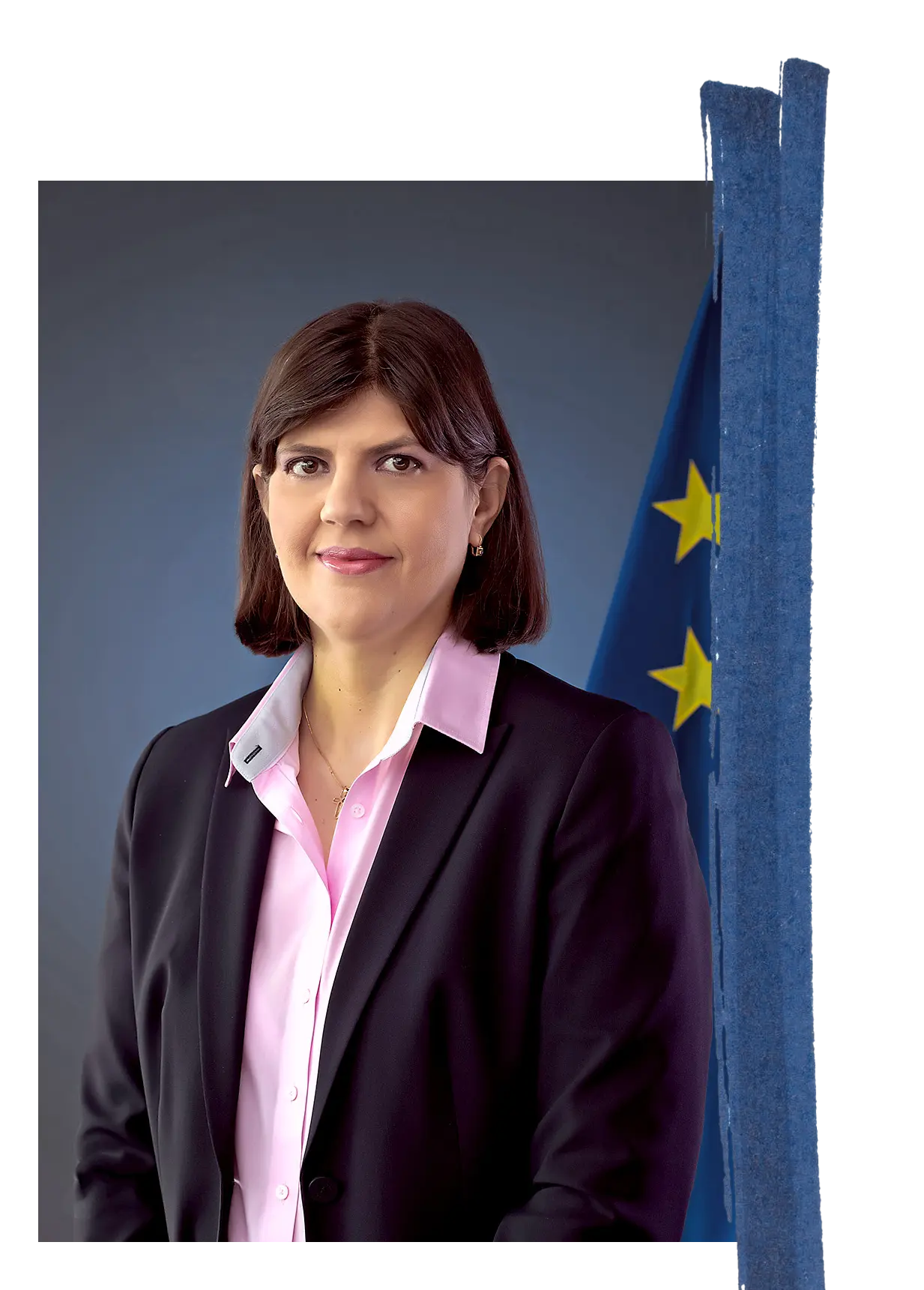
Kövesi, whose term ends this year, hasn’t hesitated to clash with the EU institutions while racking up impressive convictions against major figures in European institutions while pursuing high-level officials in Greece, Serbia and elsewhere.
While no significant Bulgarian figure since the fall of communism has ever faced meaningful criminal liability, the Chiren probe offered a potentially transformative opportunity: allegations centered on the country’s most powerful people and institutions and its most important geopolitical role – Gazprom’s last point of entry into the EU.
Kövesi turned to Georgieva.
Raised in the northern city of Ruse, Georgieva mastered French while in high school, perfected her English studying in London and won a degree at Bulgaria’s top law school at Sofia University.
After starting as a local prosecutor in Sofia, she soon left to become an administrative court judge. She was named European Public Prosecutor for Bulgaria in 2020.
Her investigation into the Chiren gas project started with a bang – an EPPO-led raid of three of Bulgartrangaz’s offices on 15 August 2024. The next month, another shock to the Bulgarian elite: the EPPO hauled in Malinov, then acting energy minister, for questioning.
As the probe gained momentum, Bulgatransgaz and GBS abruptly terminated their contract by “mutual agreement”, according to Malinov.
With GBS off the project, the Chiren expansion missed key deadlines, with drilling incomplete despite the equivalent of about 90 million euros being advanced as of the end of 2024.
A death and a probe derailed
As 2025 arrived and the EPPO investigation appeared to be making headway, a series of events derailed the process.
Events took a dark turn when Georgieva’s mother died in the early hours of February 15 at the family home in a small Bulgarian village. Georgieva suggested foulplay, and the fire remains under investigation. Kövesi reportedly called for security after the incident.It was around the same time that the EPPO’s Chiren probe stalled.
Georgieva publicly suggested that Bulgarian authorities were throwing up “obstacles” to the EPPO probe, including giving Bulgartransgaz advanced word of the August raid.
“If you are warned and have 10 days to clear your emails, phones, and desk of documents that could give direction to the investigation, the effect of the search is not very great,” she told Bulgarian media.
Despite the setbacks and threats, Georgieva and the EPPO summoned Malinov, then acting energy minister, for another round of questioning.
Then, kompromat on the prosecutor appeared.
Soviet-style justice
The Bulgarian legal system is understood by legal experts to be the most significant failure of the country’s post-1989 transition.
Sitting atop the system is Bulgaria’s Prosecutor General’s office, a relic of what the European Court of Human Rights once called, “the Soviet-style prokuratura model”, has been essentially untouchable – able to prosecute anyone – or not – for any reason, and itself still insulated from prosecution despite recent reform efforts.
The country’s accession into the EU in 2007 was conditioned on sweeping changes. Attempts at meaningful reform have been repeatedly derailed. The European Commission in 2023 waived its main enforcement tools, known as the Communication and Verification Mechanism, finding Bulgaria had fulfilled its obligations to meet EU standards – a blow to Bulgarian legal reform efforts.
Read more
Fold in
On 13 March, a grainy video surfaced, showing Georgieva with Petyo Petrov, a former head of the investigations department of the Sofia Prosecutor’s Office. The images circulated in the Bulgarian media.
The video, said to be filmed in 2020, showed Petrov – who has been exposed as running an extortion ring that used Bulgaria’s legal apparatus to shake down businesses, and is currently missing after failing to appear to face an array of charges – talking to a woman that appears to be Georgieva.
Petrov does most of the talking in the clip, with the conversation focusing on the woman’s candidacy for the EPPO job.
“We’ve decided,” Petrov says. “You’re in, and that’s that.”
Georgieva declined to comment.
Analysts say patronage is an integral part of the Bulgarian legal system. That includes candidates for the EPPO, which, under European law, are nominated by national authorities before being submitted to the European Council for approval.
“Bulgaria, unfortunately, demonstrates the limits of European oversight when confronted with deeply rooted local patronage systems and resistance within the national prosecutorial hierarchy,” said Ekaterina Baksanova, a legal expert with Bulgaria’s Institute for Market Economics. “External oversight can highlight dysfunction and apply pressure, but it cannot, on its own, dismantle entrenched networks of influence.”
“Due to threats and warnings I have received … I have recused myself from this case”
The morning Malinov was to appear before prosecutors, on 24 March, a second kompromat video surfaced – this one more than four minutes long. Dated 13 January 2020, it featured Petrov discussing with a woman that appears to be Georgieva the application procedure for the EPPO job, with Petrov talking about how to maneuver competitors out of the running. The conversation is not audible in detail.
In comments to Bulgarian media, Georgieva acknowledged meeting Petrov but denied any wrongdoing.
She also made explosive accusations: the Chiren probe had uncovered evidence that Peevski himself had arranged the public bid for the gas storage expansion and had then demanded payments of some 20 million Bulgarian lev – roughly 10 million dollars – from subcontractors.
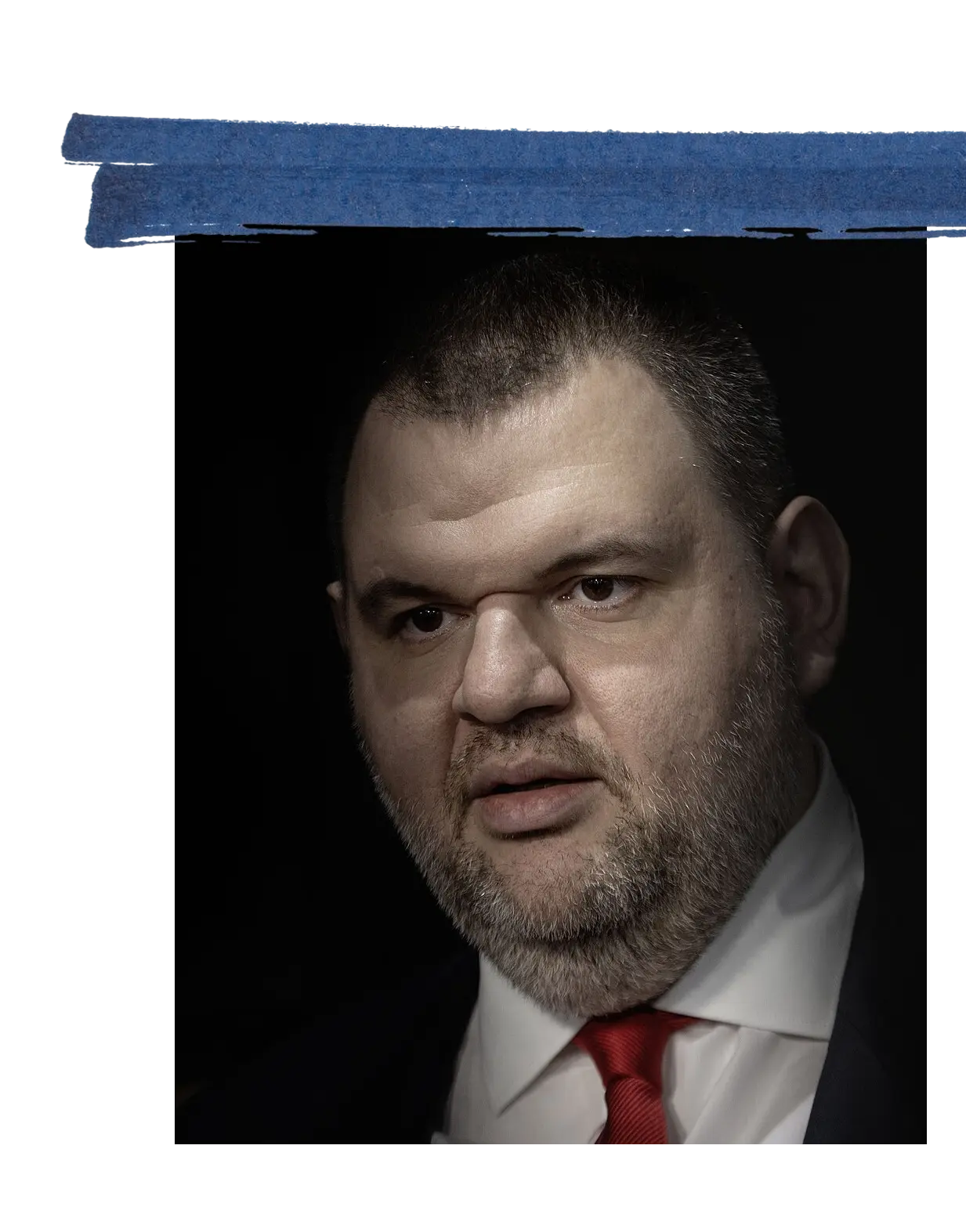
In public interviews at the time, Peevski, who is a member of the Bulgarian parliament, threatened to file a claim against Georgieva for false accusations.
In other comments, Georgieva said she had asked to be taken off the case because of threats she had received if she charged Malinov.
“Due to threats and warnings I have received that if I bring charges against the Minister of Energy, recordings and compromising information will be released to the media, I have recused myself from this case, and my recusal has been accepted,” she said.
The EPPO suspended her the next day.
An EPPO spokesperson declined to comment on the Georgieva case but stressed that all disciplinary proceedings carry a presumption of innocence. She said the investigation into the botched contract is still ongoing.
People familiar with the situation said the EPPO’s disciplinary case did not involve the kompromat videos but rather procedural questions and the unauthorised interviews to Bulgarian media.
Georgieva is now challenging her suspension with the European Union’s Court of Justice in Luxembourg.
According to Georgieva’s complaint, the EPPO’s actions violated duties of impartiality and fairness and failed to state a clear reason for the suspension.
She denied revealing confidential information to Bulgarian media and said her interview was limited to expressing “a qualified opinion on the operational difficulties encountered by the EPPO, as well as the resistance in certain Member States to the exercise of its investigative powers”.
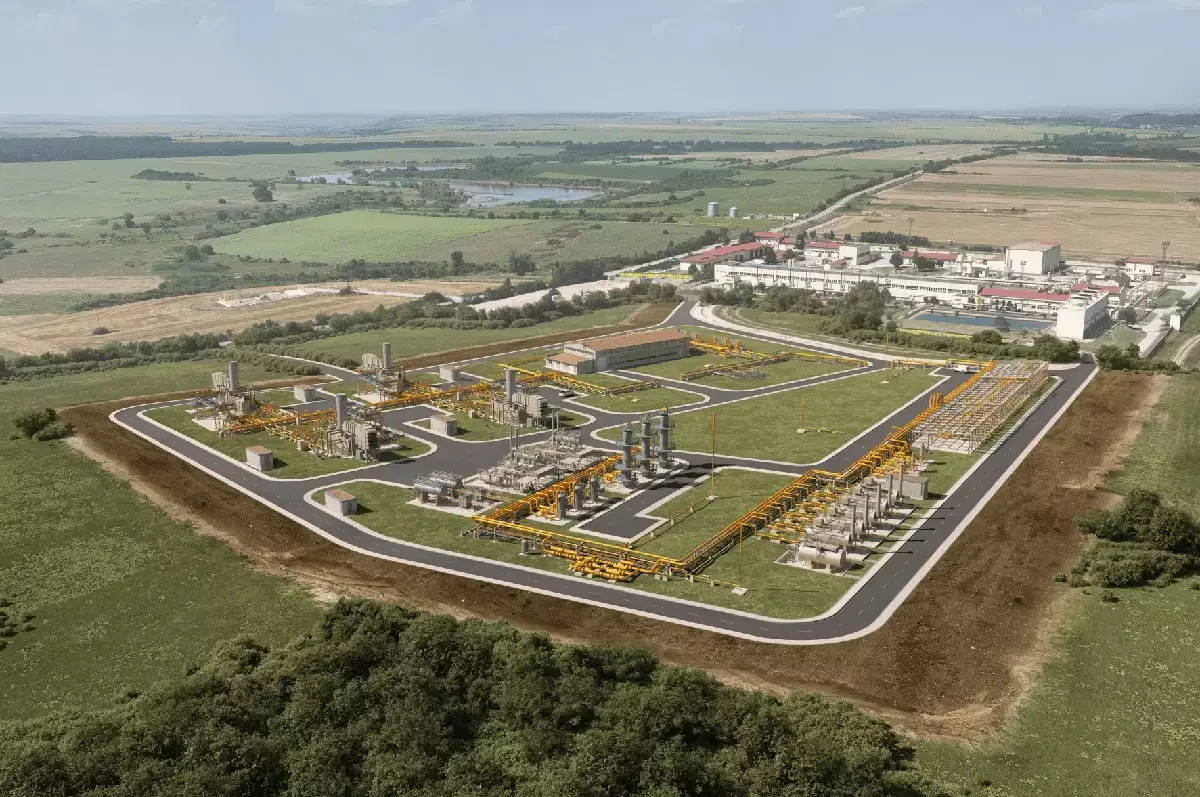
Gas storage facility in Chiren, 2023.
The complaint says the EPPO claimed that Georgieva violated internal EPPO procedures regarding the questioning of witnesses, a claim Georgieva denies.
Also in the complaint, Georgieva referred to the “particularly unclear circumstances” of her mother’s death.
Late last year, Georgieva won a preliminary defamation claim in a Bulgarian court against a publisher of an article that alleged she had taken a bribe.
Lost in the noise, Malinov never appeared for his 24 March summons with the EPPO. Instead he submitted a medical document claiming he had to be urgently hospitalised.
Peevski himself did not reply to Follow the Money requests for comment. The press office for Peevski’s political party, however, said: “The topics you have raised have no bearing whatsoever—either directly or indirectly—on our leader, Mr. Delyan Peevski, or on the political force he chairs, the Movement for Rights and Freedoms (MRF).”
Malinov, who is back on the job, did not reply to detailed questions sent by Follow the Money to him and Bulgartransgaz, which also did not respond.
Meanwhile, the energy project – a Bulgarian priority for more than 15 years – is delayed for at least another two.
“Instead of confronting the [corrupt Bulgarian] system, the European Public Prosecutor’s Office has turned on one of its own,” alleged Vassilev, the former Bulgarian ambassador. “The underlying message is unmistakable: those who challenge the system risk becoming its next target.”
GBS response
In an email to Follow the Money, GBS said: “All modifications to technical specifications were proposed following expert evaluations and approved by technical committees in [Bulgartransgaz]. They complied fully with international safety and efficiency standards. We categorically reject claims that these changes were ‘dangerous’ or ‘unprofessional.’ “
GBS added: “Claims of ‘catastrophic risks’ are entirely false and unsupported by official expert assessments.”
GBS said contracts for the Chiren project were awarded “under the Bulgarian Public Procurement Act through an open procedure” and that the GBS-led consortium complied with all legal requirements.
It said changes in subcontractors were made “strictly in accordance with contractual provisions” and with the approval of Bulgartransgaz. GBS said the changes “were driven by technical, commercial and organizational considerations, not by political or improper actions”.
A GBS spokesperson added: “We strongly refute all the allegations … A number of the issues raised are subject to confidential arbitration proceedings in London, and we are therefore unwilling to comment in detail whilst these proceedings remain ongoing.”
Read more
Fold in