
T
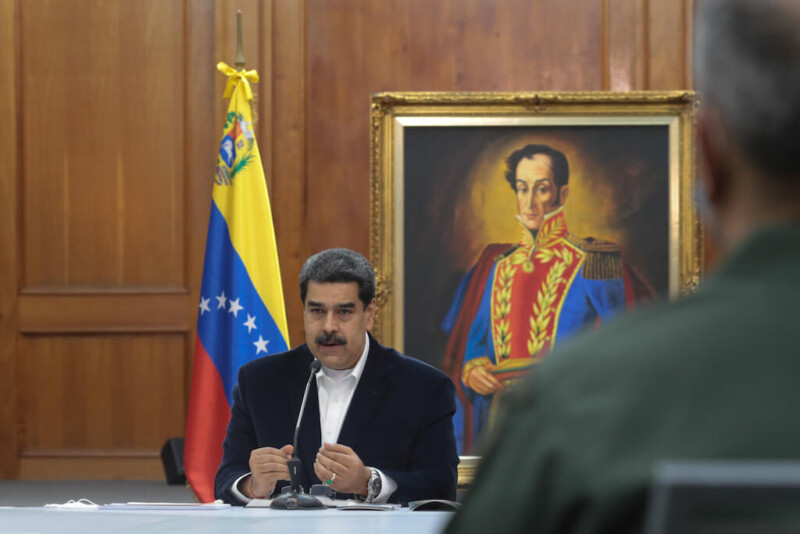
he dramatic U.S. capture of Venezuelan President Nicolás Maduro has dealt a setback to China’s strategic interests in Latin America, even as it has ignited intense debate on Chinese social media—where some users are hailing the operation as a potential blueprint for Taiwan.
China and Venezuela have long maintained close ties rooted in shared ideology and opposition to U.S. influence. Their relationship was formalized as an “all-weather strategic partnership” in 2023, backed by billions of dollars in Chinese loans, infrastructure projects and preferential access to Venezuelan oil.
That partnership was thrown into doubt after U.S. special forces captured Maduro in Caracas, abruptly removing one of Beijing’s most reliable regional partners. China has been Venezuela’s largest crude buyer in recent years, with analysts estimating that up to 80% of Venezuelan exports in late 2025 went to China, largely at discounted prices attractive to smaller independent refiners.
While energy analysts say the loss of Venezuelan crude is unlikely to seriously disrupt China’s oil supply, the move raises broader questions about Beijing’s political and economic influence in a region Washington has traditionally viewed as its backyard.