

Luxembourg’s restrained response to the US military strike against Venezuela has drawn criticism from across the political spectrum, with members of parliament questioning the government’s reluctance to clearly condemn the operation.
“I’ll be quite frank: what happened there is unacceptable to me,” said Gusty Graas, president of the Chamber’s foreign affairs committee. “The US crossed a so-called red line.”
Graas argued that while Venezuela’s President Nicolás Maduro was widely regarded as illegitimate, the use of military force risked undermining international norms. “This opens the door for other people who might get a bigger appetite for it,” he said, referring to Russia and China. “This is not the world order as we know it.”

The USA has crossed a so-called red line
Gusty Graas
DP
The strong language contrasts with the government’s initial reaction, which came a day after the strike and was limited to a brief statement that avoided direct criticism of Washington.
According to several MPs, the statement failed to clearly address the legality of the US action.
Also read:More than 50 protest against Venezuela attack outside US embassy
Sam Tanson of déi Gréng said the delay and tone of the response were difficult to understand. “The reaction was lukewarm,” she said, adding that the communiqué focused first on Maduro’s record before making only a vague reference to international law without directly criticising the US intervention.
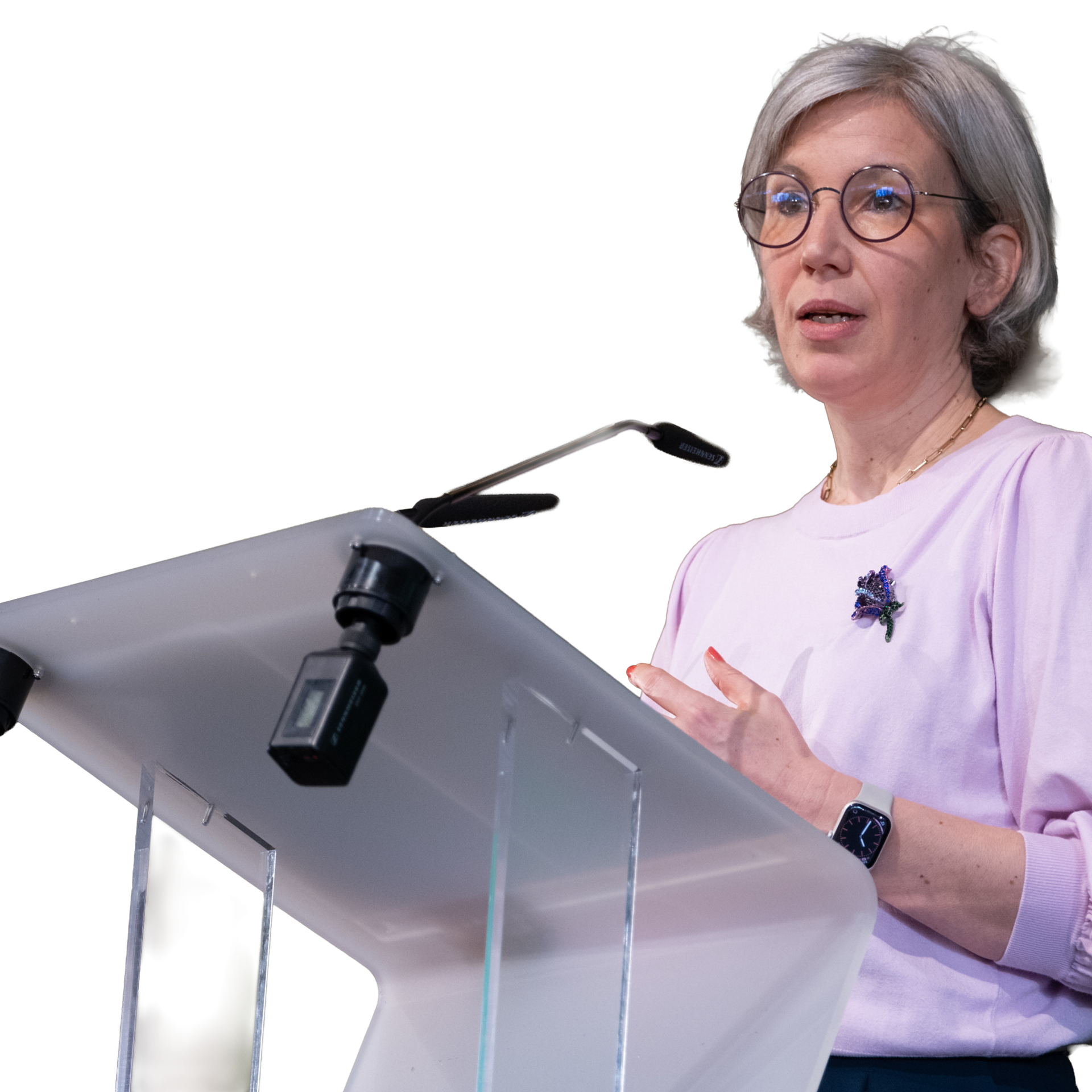
The reaction was lukewarm
Sam Tanson
déi Gréng
LSAP MP Yves Cruchten was even more blunt, describing the government’s statement as “absolutely meaningless”. “The government took an entire day to draft a communiqué that contained nothing,” he said.

It took the government a whole day to write a communiqué that said nothing
Yves Cruchten
LSAP
Graas, whose party is part of the governing coalition, acknowledged the criticism. “I honestly admit that the communiqué was a bit too soft for me as well; it should have contained clearer statements,” he said, suggesting the cautious wording reflected a lack of unity at EU level.
He nevertheless welcomed the fact that Foreign Minister Xavier Bettel adopted a firmer tone in subsequent parliamentary discussions.
Opposition MPs welcomed Bettel’s later comments but noted that they came only after pressure from parliament. “It’s good that he didn’t hide behind any platitudes,” Tanson said, warning that excessive caution risked damaging Luxembourg’s credibility. “Everyone seems to be afraid of Donald Trump. That’s exactly what he wants.”
ADR MP Alexandra Schoos said there was cross-party agreement that the strike violated international law. “If the impression arises that it basically doesn’t matter, how is this received in Russia, in China?” she asked.

If the impression is created that it basically doesn’t matter, how is that received in Russia, in China?
Alexandra Schoos
ADR
CSV vice-president Laurent Zeimet struck a more cautious note, expressing understanding for the government’s position. “They know that we depend on the Americans to guarantee our security,” he said, pointing to the war in Ukraine and broader geopolitical tensions.

They know that we are dependent on the Americans to guarantee our security
Laurent Zeimet
CSV
Despite differing views on tone, MPs broadly agreed that Luxembourg and the EU needed to assert themselves more clearly. “We need to show more courage at the EU level,” Graas said. “We have to tell Trump and his people: this cannot continue.”
(This article was originally published by the Luxemburger Wort. Translated using AI, edited by Kabir Agarwal.)