
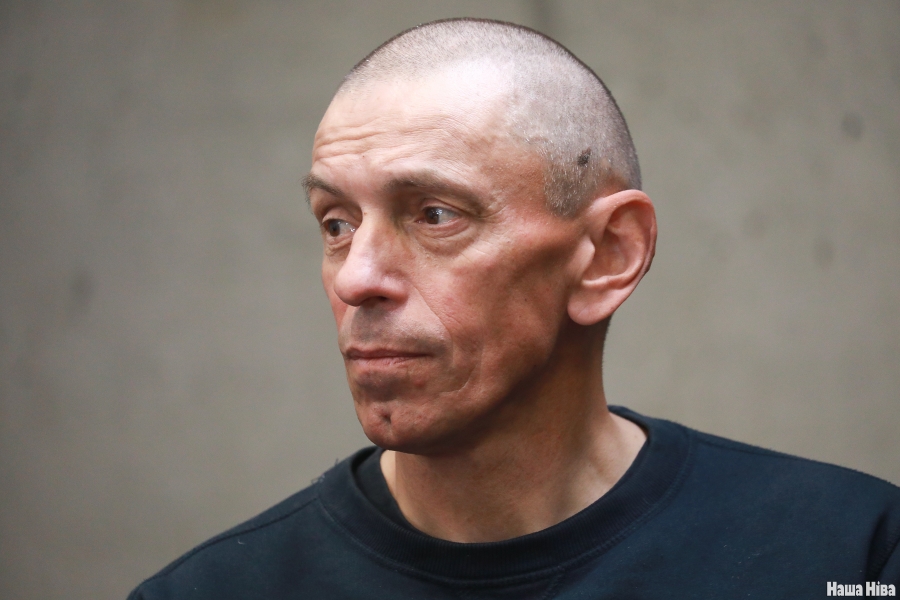
“They can make you happy if they want to,” the journalist ironizes.
Павялічыць
Ihar Karney was released on June 21 and was part of a group of 14 political prisoners who were expelled to Vilnius. He spent almost three years behind bars
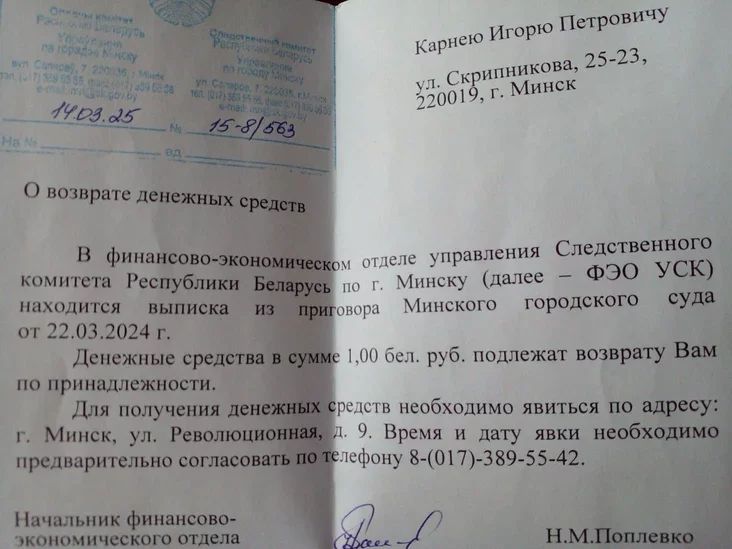
“The Investigative Committee invites me to its Minsk office so I can collect… 1 ruble. No, it’s not a typo: not 1000, not 100, and not even 10. But exactly 1,” wrote Ihar Karney on his Facebook page.
“After they slapped me with 20 thousand rubles in material compensation as an additional punishment to the main term, after they painstakingly calculated the losses from ‘illegal enrichment’ from journalistic activity, after they retrospectively billed me for colonial robes and consumed food, after they used free slave labor at a sawmill and honey extraction facility – and suddenly admitting a mistake in calculations! Such an act of self-abasement is worth a lot,” the journalist writes.
He notes that an entire financial and economic department of the Investigative Committee of the Republic of Belarus for Minsk, having wasted a year after the verdict – and accordingly, having spent a considerable sum on a targeted investigation – announced an unprecedented verdict, taking the side of the political prisoner.
“Not only that – they addressed me formally (“you”) and capitalized it: ‘Monetary funds in the amount of 1 Belarusian ruble are subject to return to you according to ownership.’ After that, the paper somewhere lingered in bureaucratic drawers for another six months, until it ended up in a mailbox in Sukharava in Santa Claus’s sack around Christmas). Why exactly 1 ruble, and not 10 kopecks? Where do such generosities come from? What departmental alchemist conjured over the calculations? One doesn’t even want to delve into the logic of ‘financial amnesty,’ ordinary mortals won’t understand it anyway. But a famous movie character vividly comes to mind, who for a ruble for a hangover ‘won’t forget, won’t forgive.’ So here I am in the midst of a dilemma: how to tear myself between an invitation and expulsion,” asks Ihar Karney
Павялічыць