
Published on
January 10, 2026
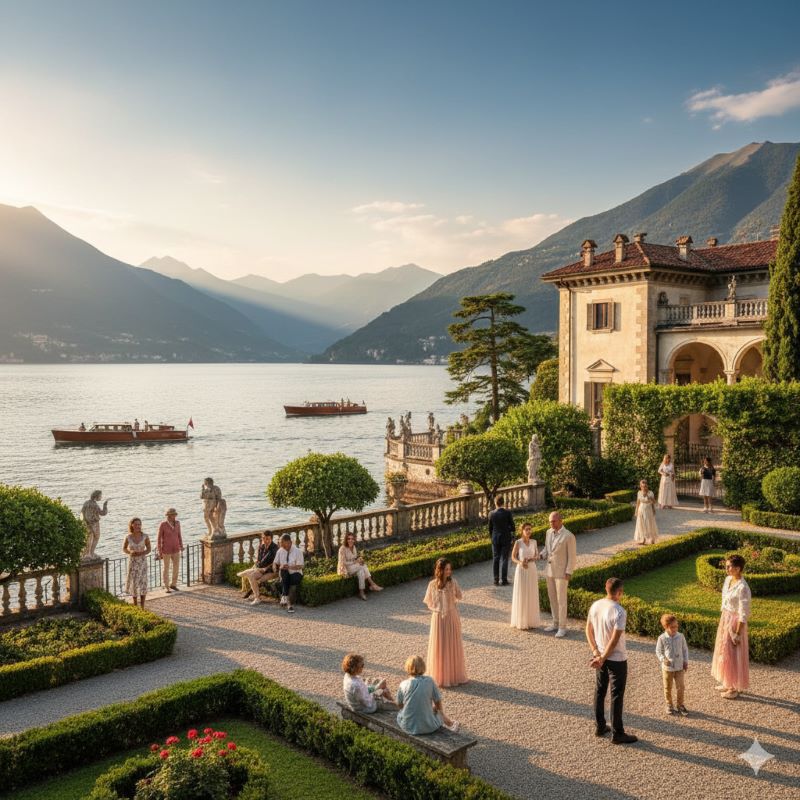
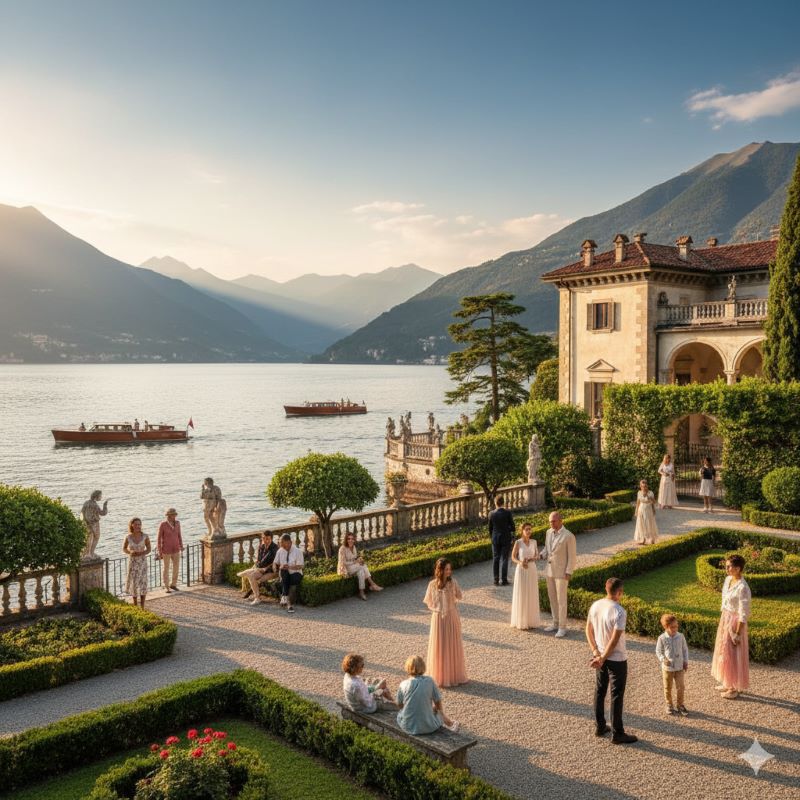
Nestled on the stunning shores of Lake Como, Villa del Balbianello has long been a star attraction for travelers. Its picturesque beauty has been immortalized in films like Star Wars: Episode II – Attack of the Clones and Casino Royale. However, this 18th-century villa has recently made a difficult decision in the fight against overtourism.
In a bold move, the villa has reduced its daily visitor numbers from 2,000 to 1,200. The reason for this reduction is clear: overtourism has taken its toll. The villa’s exquisite gardens, once a tranquil oasis, have been damaged by the overwhelming foot traffic. With each passing day, more visitors crowd the area, threatening the preservation of this iconic site.
The villa, built in 1787 on the site of a former Franciscan convent, has become a magnet for tourists. Despite its popularity, the villa is struggling to balance the demands of tourism with the need to preserve its cultural and environmental integrity. Italy’s tourism industry has reached a tipping point.
The decision to limit visitors, though difficult, is essential. The Italian Fund for the Environment (FAI), responsible for maintaining the villa, emphasizes the importance of safeguarding the property for future generations. Though this will likely lead to a decrease in revenue, the long-term preservation of this architectural masterpiece is worth the sacrifice.
The Overtourism Crisis in Italy: A Growing Concern
Villa del Balbianello is not alone. Italy, with its rich cultural heritage and stunning landscapes, has become a victim of its own success. Overtourism has taken its toll across the country, from the romantic canals of Venice to the majestic Dolomites.
In Venice, the local government has implemented several measures to reduce the strain of over-tourism. An entry fee for day-trippers is now in place, as well as a booking system for managing crowd sizes. Large cruise ships have been rerouted away from the lagoon to protect the delicate ecosystem.
Meanwhile, in the Dolomites, farmers have installed pay gates on popular trails to curb overcrowding and littering. Cities such as Rome and Florence have also joined the fight. With tourist caps and higher taxes on short-term rentals, these cities are striving to create a balance between tourism and local life.
Italy’s tourism infrastructure is under strain, but these steps are a sign of progress. The government is focused on ensuring that the tourist experience remains both enjoyable and sustainable. By implementing measures like these, Italy is paving the way for more responsible and manageable tourism.
Italy’s Tourism Campaign: Promoting Hidden Gems and Sustainable Travel
Italy’s tourism board, ENIT, has launched campaigns aimed at redistributing tourist traffic across lesser-known regions. The “99% of Italy” and “Luminous Destinations 2026” campaigns highlight hidden gems like Puglia, Sardinia, and Abruzzo. These regions offer authentic cultural experiences without the massive crowds of Venice or Rome.
The goal is simple: to promote slower, more immersive travel experiences. The emphasis is on sustainability and cultural preservation. As more visitors explore off-the-beaten-path destinations, Italy hopes to ease the burden on overcrowded hotspots.
The shift toward promoting lesser-known areas has a dual purpose. First, it helps protect fragile locations like Villa del Balbianello. Second, it gives tourists the opportunity to experience the rich cultural diversity that Italy has to offer beyond its major cities.
This strategy aligns with global trends in tourism. More travelers are seeking unique, sustainable experiences. The new focus on hidden gems provides just that: a chance to experience Italy’s authentic charm while helping reduce the pressure on its most famous locations.
What This Means for Travelers in 2026
For travelers planning to visit Italy in 2026, these changes will have a significant impact. While popular destinations like Villa del Balbianello may be harder to access, they will remain just as magical, albeit less crowded. Visitors will also have the opportunity to explore new, lesser-known locations that offer equally rich cultural experiences.
The implementation of booking systems, visitor caps, and entry fees may initially feel inconvenient. However, these measures are essential for preserving Italy’s natural and cultural heritage. For tourists, this means a more enjoyable experience, free from the stress of overcrowded sites and excessive lines.
Moreover, those willing to venture beyond the well-trodden path will find themselves rewarded with authentic experiences and a chance to engage with Italy’s lesser-explored history. For example, the tranquil coastal villages of Puglia offer stunning landscapes and delicious local cuisine, while the rolling hills of Abruzzo are perfect for nature lovers seeking a more peaceful Italian getaway.
A Call for Sustainable Tourism
Italy’s bold actions, from limiting visitors at Villa del Balbianello to promoting hidden gems, are a necessary step toward sustainable tourism. The country’s government is taking proactive measures to preserve its unparalleled beauty for future generations. While the effects of overtourism have been felt across Italy, the shift toward sustainable travel offers hope for a balanced future.
Travelers will have to adapt, but the rewards will be great. Fewer crowds, more authentic experiences, and the opportunity to explore Italy in a way that respects its heritage are worth the effort. As we look to 2026, the message is clear: slow down, explore responsibly, and enjoy the wonders of Italy in a way that supports its preservation.
