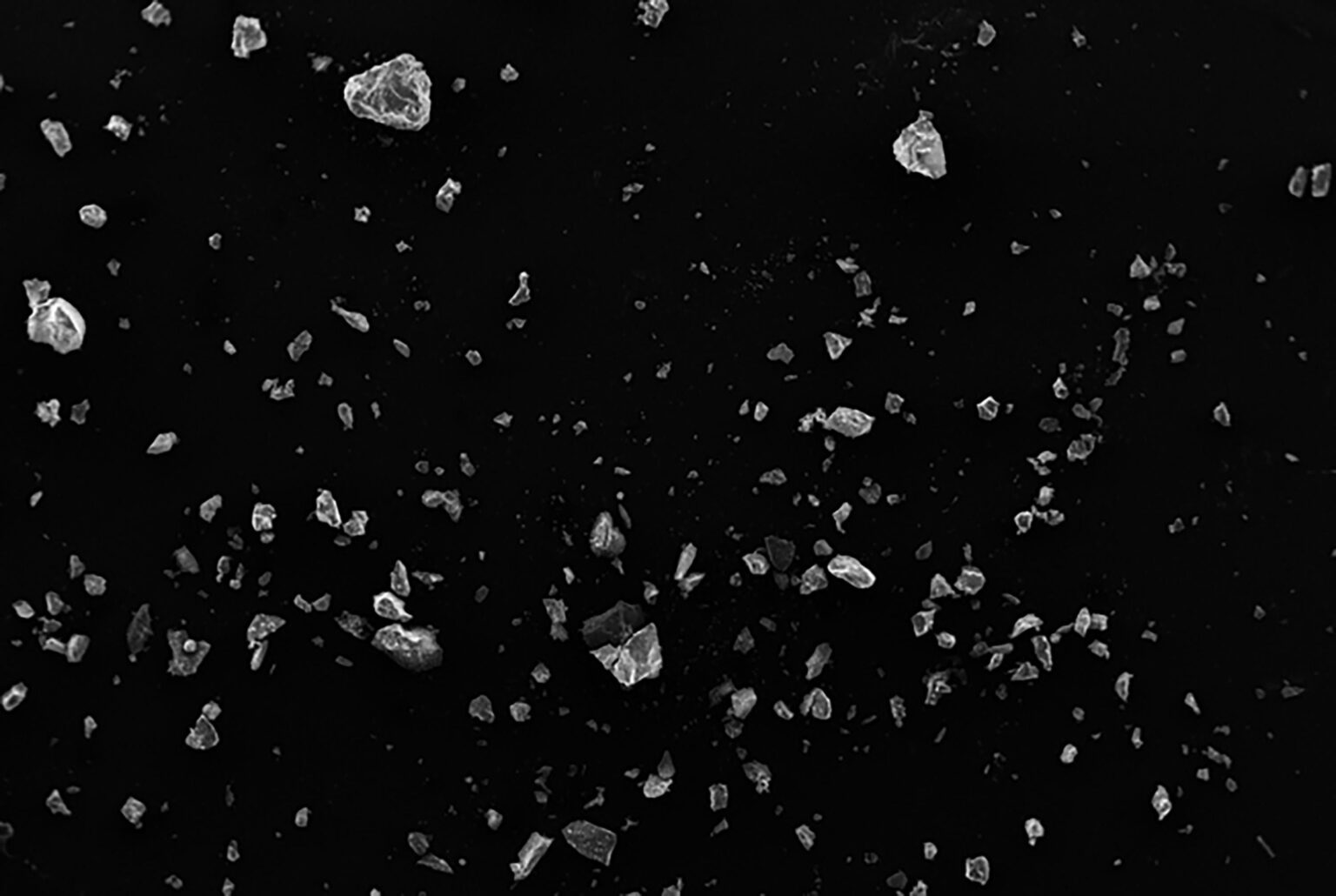
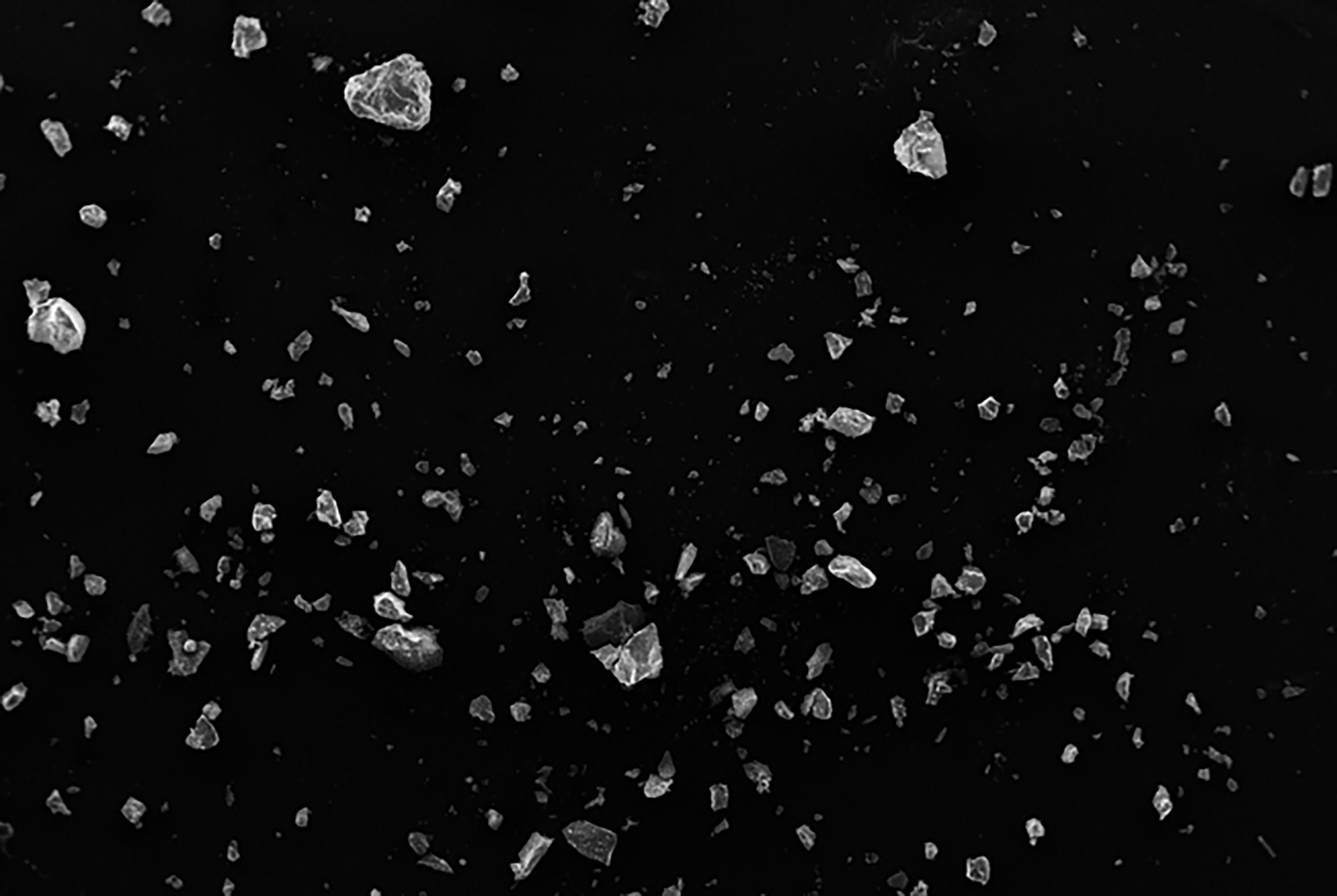
>The study found that while the sharp, abrasive lunar dust can act as a physical irritant, it did not cause the severe cellular damage or inflammation seen from the urban Earth dust. “It’s important to distinguish between a physical irritant and a highly toxic substance,” Smith said.
Huh. Neat. That one paragraph answered my only question about, “well, isn’t it still sharper?”
Also shout-out for not being clickbait. Cool post
J4jem on
Just a reminder– Asbestos is a physical irritant…
DynamicNostalgia on
Huh. That seems like the opposite of what I’ve been told my entire life.
No wonder they aren’t designing space suits around keeping dust out of the spacecraft. It’s actually no big deal at all.
Few-Improvement-5655 on
This must mean Cave Johnson was deliberately poisoned!
cjameshuff on
Not actually that surprising, considering that city dust includes all sorts of biochemically active materials on top of being a physical irritant. A particle of tire rubber is going to release a wide variety of organic substances into the surrounding tissue, a similar particle of silica is just going to mechanically irritate it. City dust is going to include actual allergens.
It’d be interesting to see a comparison against samples of similar terrestrial rock dusts (which are actually what they’re using as simulants here). Real, fresh moon dust won’t be as oxidized, which will probably be a very short-lived difference in the environment of a human body, but might cause differences in the initial reaction.
John_Tacos on
City dust has been weathered.
Lunar dust hasn’t and its first contact with anything that could weather it will significantly reduce its impact on the body.
edthesmokebeard on
I’m sure its a lot less gross. I read that most household dust is shed human skin particles.
Suspicious-Answer295 on
Keep in mind asbestos is not “toxic” but also a sharp small material that causes chronic inflammation in the lungs over decades causing cancer. This is good news that its not immediately toxic, but its still likely far from safe.
Gold333 on
Lunar regolith is extremely carcinogenic. It says so on the various replica’s you can buy if you are doing experiments on lunar rovers
breadtangle on
I had to do some digging to resolve some apparent contradictions that popped up for me. The article keeps saying that lunar dust is safer than silica, but lunar dust *IS* 50% silica, so what gives? If you’ll forgive an oversimplification: Lunar dust is primarily amorphous silica (melted and broken through meteor strikes) where earth silica is crystalline (ground up quartz). That difference seems to be at the core. I wish they had at least mentioned this in the article.

10 Comments
>The study found that while the sharp, abrasive lunar dust can act as a physical irritant, it did not cause the severe cellular damage or inflammation seen from the urban Earth dust. “It’s important to distinguish between a physical irritant and a highly toxic substance,” Smith said.
Huh. Neat. That one paragraph answered my only question about, “well, isn’t it still sharper?”
Also shout-out for not being clickbait. Cool post
Just a reminder– Asbestos is a physical irritant…
Huh. That seems like the opposite of what I’ve been told my entire life.
No wonder they aren’t designing space suits around keeping dust out of the spacecraft. It’s actually no big deal at all.
This must mean Cave Johnson was deliberately poisoned!
Not actually that surprising, considering that city dust includes all sorts of biochemically active materials on top of being a physical irritant. A particle of tire rubber is going to release a wide variety of organic substances into the surrounding tissue, a similar particle of silica is just going to mechanically irritate it. City dust is going to include actual allergens.
It’d be interesting to see a comparison against samples of similar terrestrial rock dusts (which are actually what they’re using as simulants here). Real, fresh moon dust won’t be as oxidized, which will probably be a very short-lived difference in the environment of a human body, but might cause differences in the initial reaction.
City dust has been weathered.
Lunar dust hasn’t and its first contact with anything that could weather it will significantly reduce its impact on the body.
I’m sure its a lot less gross. I read that most household dust is shed human skin particles.
Keep in mind asbestos is not “toxic” but also a sharp small material that causes chronic inflammation in the lungs over decades causing cancer. This is good news that its not immediately toxic, but its still likely far from safe.
Lunar regolith is extremely carcinogenic. It says so on the various replica’s you can buy if you are doing experiments on lunar rovers
I had to do some digging to resolve some apparent contradictions that popped up for me. The article keeps saying that lunar dust is safer than silica, but lunar dust *IS* 50% silica, so what gives? If you’ll forgive an oversimplification: Lunar dust is primarily amorphous silica (melted and broken through meteor strikes) where earth silica is crystalline (ground up quartz). That difference seems to be at the core. I wish they had at least mentioned this in the article.