
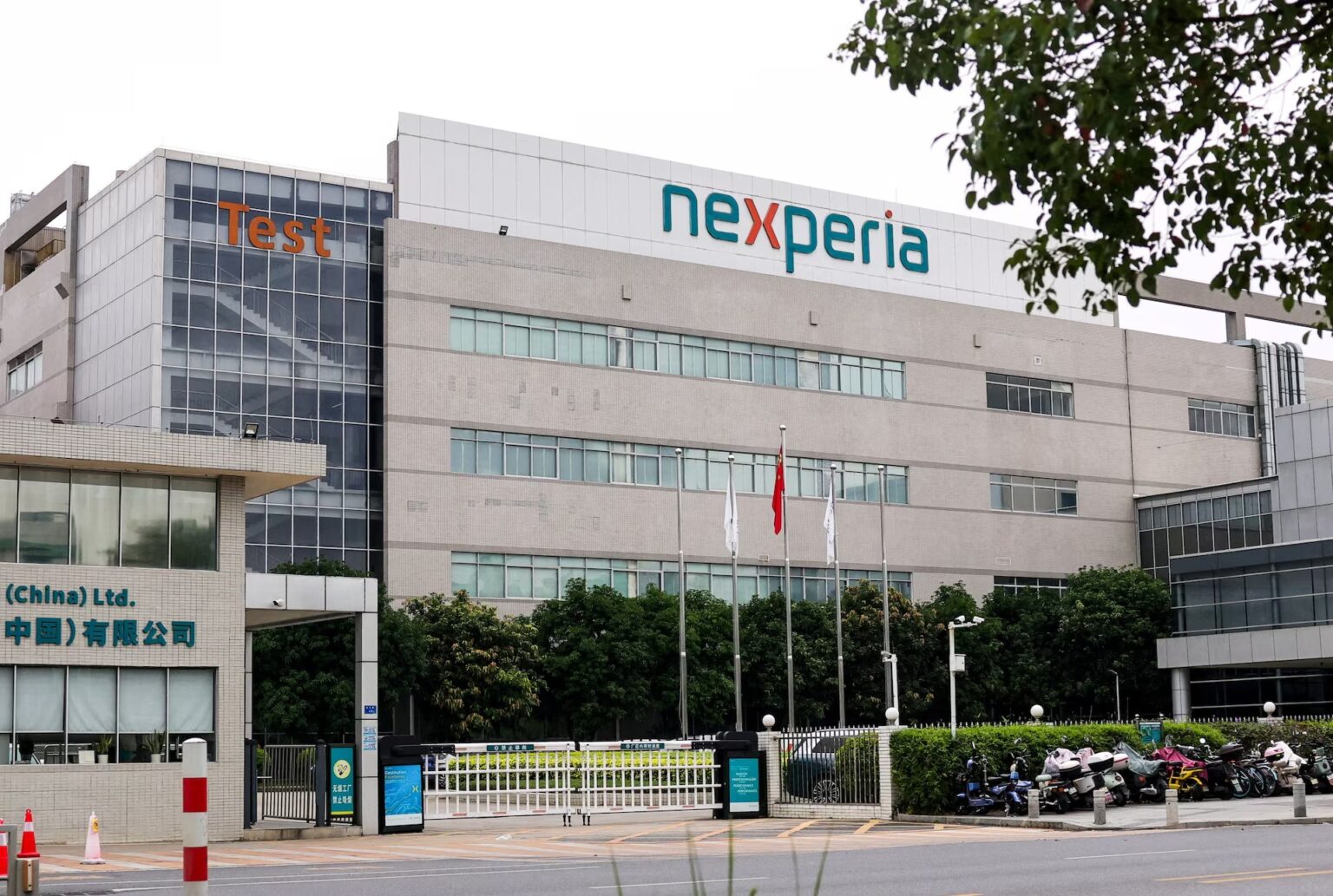
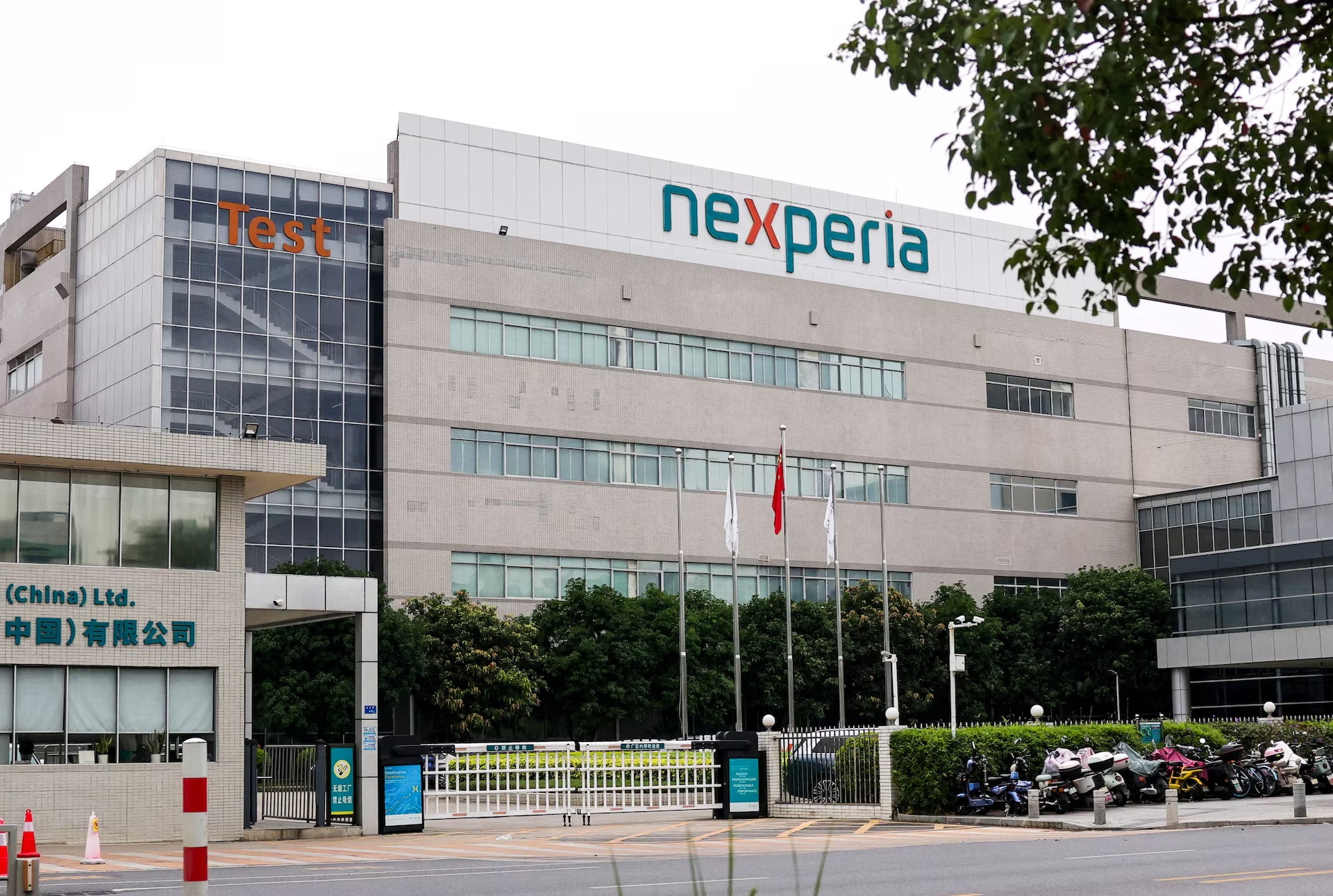
China’s Wingtech Technology is preparing to escalate its long-running dispute with the Dutch government to international arbitration, seeking damages of up to $8 billion over the Netherlands’ seizure of semiconductor maker Nexperia.
The case, now moving beyond Dutch courts, is shaping up as one of the most consequential investor-state disputes to emerge from Europe’s tightening grip on strategically sensitive industries.
At its core, the fight is not only about ownership of a profitable chipmaker, but about how far governments can go in the name of national security without triggering massive compensation claims under international investment treaties.
Register for Tekedia Mini-MBA edition 19 (Feb 9 – May 2, 2026): big discounts for early bird.
Tekedia AI in Business Masterclass opens registrations.
Join Tekedia Capital Syndicate and co-invest in great global startups.
Register for Tekedia AI Lab: From Technical Design to Deployment (next edition begins Jan 24 2026).
How Nexperia Became a Flashpoint
Nexperia traces its roots to the former standard products division of NXP Semiconductors. It was acquired in stages by Wingtech, a Chinese electronics manufacturer best known for producing smartphones and consumer devices, completing full ownership in 2021. Although headquartered in the Netherlands, Nexperia operates a global manufacturing footprint, with major wafer fabrication plants in Europe and backend packaging and testing operations closely linked to China.
The company occupies a critical niche in the semiconductor ecosystem. It specializes in so-called “legacy” chips — power semiconductors, diodes, and logic components — that are indispensable to automotive manufacturers, industrial equipment makers, and consumer electronics firms. Unlike cutting-edge AI processors, these chips are produced on mature nodes, but shortages during the pandemic demonstrated how essential they are to modern supply chains.
By 2024, Nexperia reported profits of $331 million on revenues of $2.06 billion, underscoring its commercial value and strategic relevance.

The Dutch government’s intervention did not come out of nowhere. Over the past several years, the Netherlands has moved to strengthen its foreign investment screening regime, aligning with broader European Union efforts to curb perceived security risks linked to Chinese ownership of critical technology.
Those concerns intensified after the Netherlands became a central player in U.S.-led efforts to restrict China’s access to advanced semiconductor equipment. Dutch firm ASML, the world’s sole supplier of extreme ultraviolet lithography machines, has been barred from shipping its most advanced tools to China under export control agreements with Washington.
Against that backdrop, Chinese ownership of a major chipmaker operating on Dutch soil increasingly attracted political and security scrutiny.

On September 30, 2025, the Dutch state announced it was seizing control of Nexperia, citing fears that the company’s Chinese chief executive could relocate sensitive operations or intellectual property to China. Officials framed the move as necessary to safeguard national security and technological sovereignty.
The seizure marked one of the most aggressive state interventions against a foreign-owned company in the Netherlands in decades.
Although the Dutch government suspended the seizure in November, the damage was already done. According to people familiar with the matter, the intervention triggered a breakdown in relations between Nexperia’s European manufacturing operations and its Chinese packaging and distribution units.
That rupture disrupted internal coordination across the company’s supply chain, complicating production planning and customer deliveries at a time when automakers globally are still sensitive to chip supply shocks. For Wingtech, the episode raised fundamental questions about whether it could continue to operate, expand, or eventually divest its investment under the cloud of state interference.
Turning to International Arbitration
On October 15, Wingtech served formal notice to the Dutch ministries of foreign affairs and economic affairs, invoking the dispute resolution mechanism under the Netherlands-China bilateral investment treaty. That step initiated six months for negotiations, after which the company can formally file for arbitration.
Wingtech’s claim is expected to rely heavily on Article 10 of the treaty, which guarantees fair and equal treatment of investors and requires compensation for state actions that effectively expropriate or damage investments. Arbitration would be heard at the International Centre for Settlement of Investment Disputes (ICSID), a World Bank-affiliated tribunal that has handled some of the world’s largest investor-state cases.
Legal experts say the Dutch intervention, even if later suspended, strengthens Wingtech’s case. Steffen Hindelang, a trade law professor at Uppsala University, noted that any direct state action against a company inevitably affects valuation and undermines an investor’s ability to manage or exit the business.
While the Netherlands is likely to argue that its actions were lawful, proportionate, and justified on national security grounds, such defenses are not automatic shields in investment arbitration. Tribunals typically scrutinize whether measures were necessary, non-discriminatory, and accompanied by adequate compensation.
A Broader Clash Over Industrial Policy
The dispute lands at a sensitive moment for Europe. Governments across the continent are asserting greater control over strategic sectors, from semiconductors and energy to telecommunications and defense. Yet many of these sectors rely heavily on foreign capital, including Chinese investment accumulated during a period when security concerns were less pronounced.
If Wingtech succeeds in its claim, the financial implications could be severe. An $8 billion damages award would dwarf Nexperia’s annual profits and send a warning signal to European governments weighing similar interventions.
Even if the Netherlands ultimately prevails, the case has highlighted the legal and economic risks embedded in a more interventionist industrial policy. It also raises questions about whether existing investment treaties are compatible with today’s security-driven approach to economic governance.
A key hearing remains scheduled in Dutch courts on January 14, but the arbitration track now looms larger. If negotiations fail during the six-month window, the dispute will shift to ICSID, where proceedings could stretch over several years.