
In Switzerland there is a German word we like to use: sonderfall. It means special case. It’s a key part of Swiss identity: we are not in the European Union and in the Cold War we were neutral. As sticklers for the rules, we are world famous. The thinking is that when something really bad happens, it doesn’t happen in Switzerland.
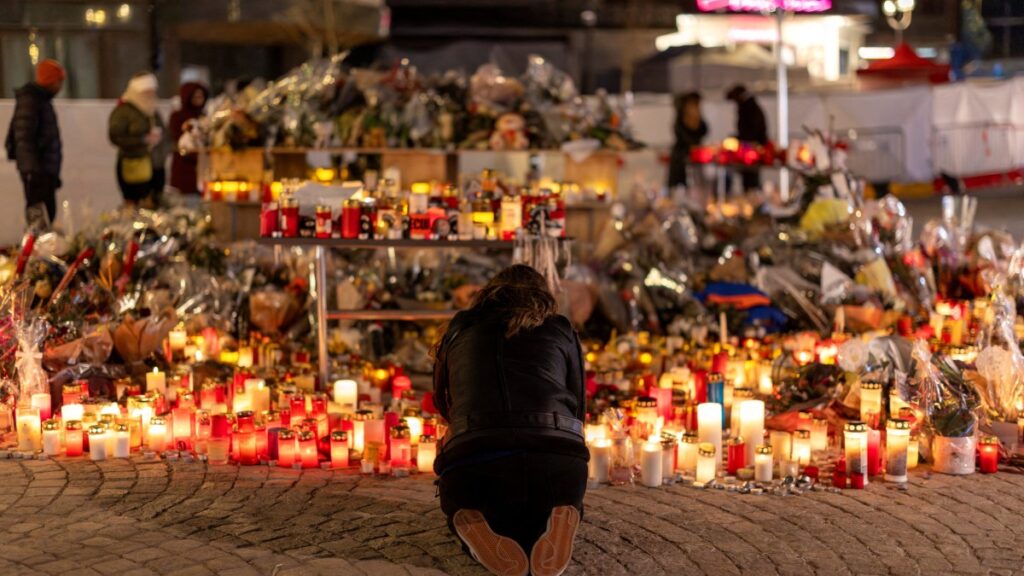
The fire in a bar in the ski resort of Crans-Montana on New Year’s Eve has shattered that image. We know 40 people died, more than half of them teenagers, kids from all over Europe. Another 116 were injured, some burnt beyond recognition. This tragedy is shaking the whole country.
How is an inferno like this possible in a land of unlimited security? How can a tourist bar become a death trap in a bureaucratic state where every garden shed requires a building permit, every scout festival needs approval and the food inspector checks the distance between the deep fat fryer and the rubbish bin?
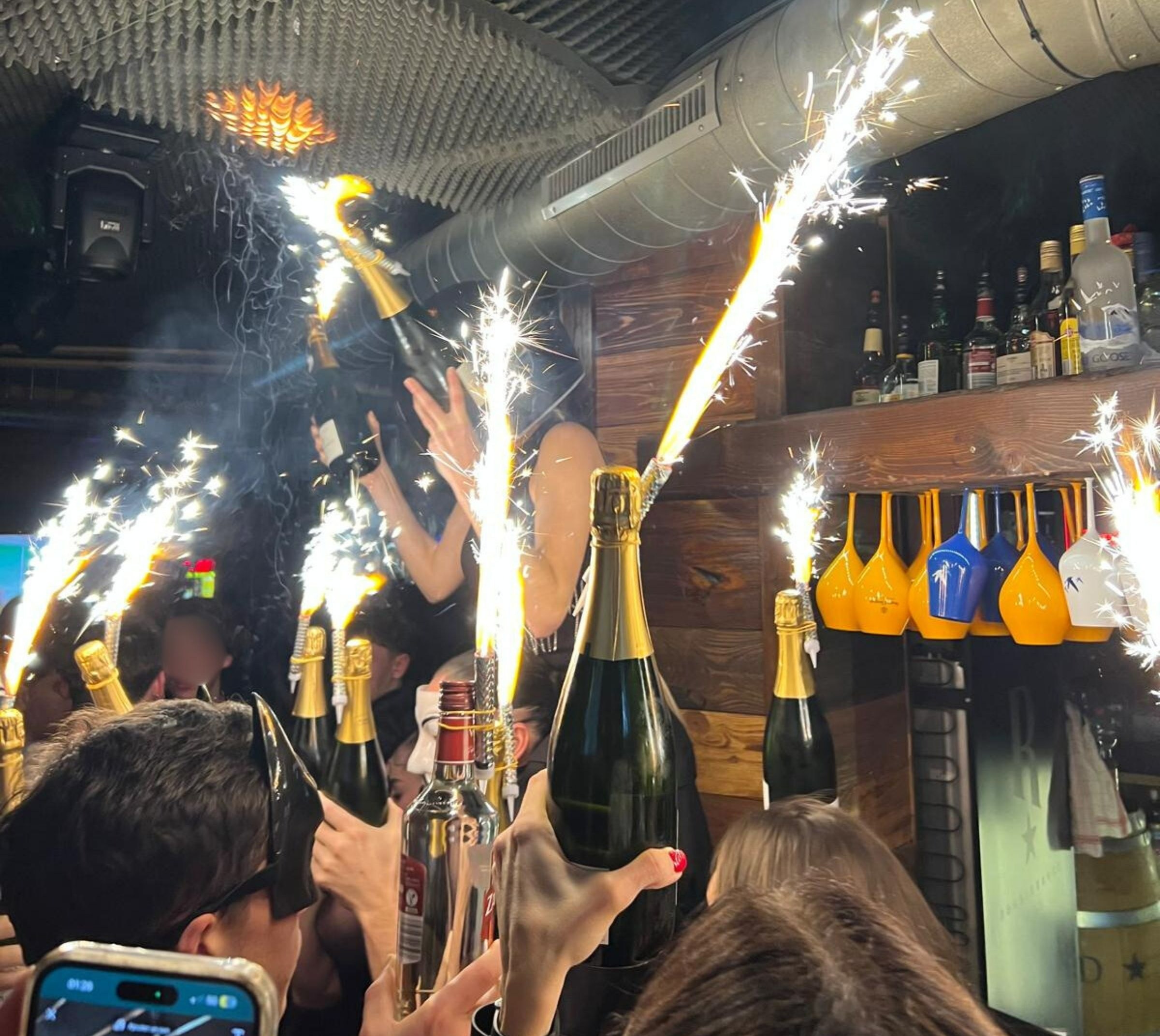
Champagne sparklers are believed to have ignited the ceiling
The French owners of the bar, Jacques and Jessica Moretti, are being investigated on suspicion of manslaughter by negligence. They have denied wrongdoing and pledged to co-operate with the investigation.
But who allowed them to install the highly flammable ceiling that a champagne sparkler seems to have set alight? Why, in videos of the blaze, is there no employee with a fire extinguisher?
These are questions for the local authorities. Every day we get more shocking news about their failures. There had been no fire safety inspections of the Constellation bar since 2019, officials have admitted. Only five people were responsible for inspecting about 10,000 buildings in the town.
The behaviour of the mayor, Nicolas Féraud, has been scandalous. On Tuesday he held a catastrophic press conference in which he appeared more concerned about the town than anything else. Imagine a parent who has lost a child hearing that.

Nicolas Féraud at a vigil for the victims on Sunday
MAXIME SCHMID/AFP/GETTY IMAGES
People are saying this isn’t Switzerland as we knew it before. This isn’t our country. There’s a kind of depression setting in.
We Swiss have always depended on our reputation. Foreign companies come to Switzerland because there is security; everything is checked and double-checked. Everything is certain. But now, Switzerland is becoming more like any other country. I don’t know whether we’ve been complacent. Maybe, somehow, we’ve become victims of our own success.
There is another big question. Is this an isolated case, is it a Valais issue, or is it a Swiss issue? The region of Valais, which includes Crans-Montana, is one of 26 cantons in our federal system. It has always been a world slightly apart. Half French-speaking and half German-speaking, it lies in the Rhône Valley, separated from the rest of the country by mountains. It is home to some of the main tourist attractions, such as the Aletsch glacier and the Matterhorn mountain. At the same time, Valais has been known to produce stories of nepotism and low-level corruption, and has a different culture from the rest of Switzerland.
Last year there was a huge landslide in Valais. A melting glacier buried the village of Blatten and its 300 inhabitants were evacuated. The whole country saw Valais as a kind of victim. There was huge solidarity. With the fire, it’s different. People are beginning to feel anger towards this region; they’re saying these people are damaging the Swiss reputation. Officials and companies in Zurich have said this would never happen there.
Prosecutors will investigate the bar owners and decide whether those in the council have a criminal case to answer. Then there may be civil lawsuits against the council. The cases will go on for years. In Switzerland, you can appeal every verdict up to the supreme court. Legal processes are very thorough.
It’s probably too early for the big political debate, because the country is still in a state of mourning. Friday was declared a national mourning day. President Macron is among those who attended a memorial in Martigny, a town an hour from Crans-Montana.
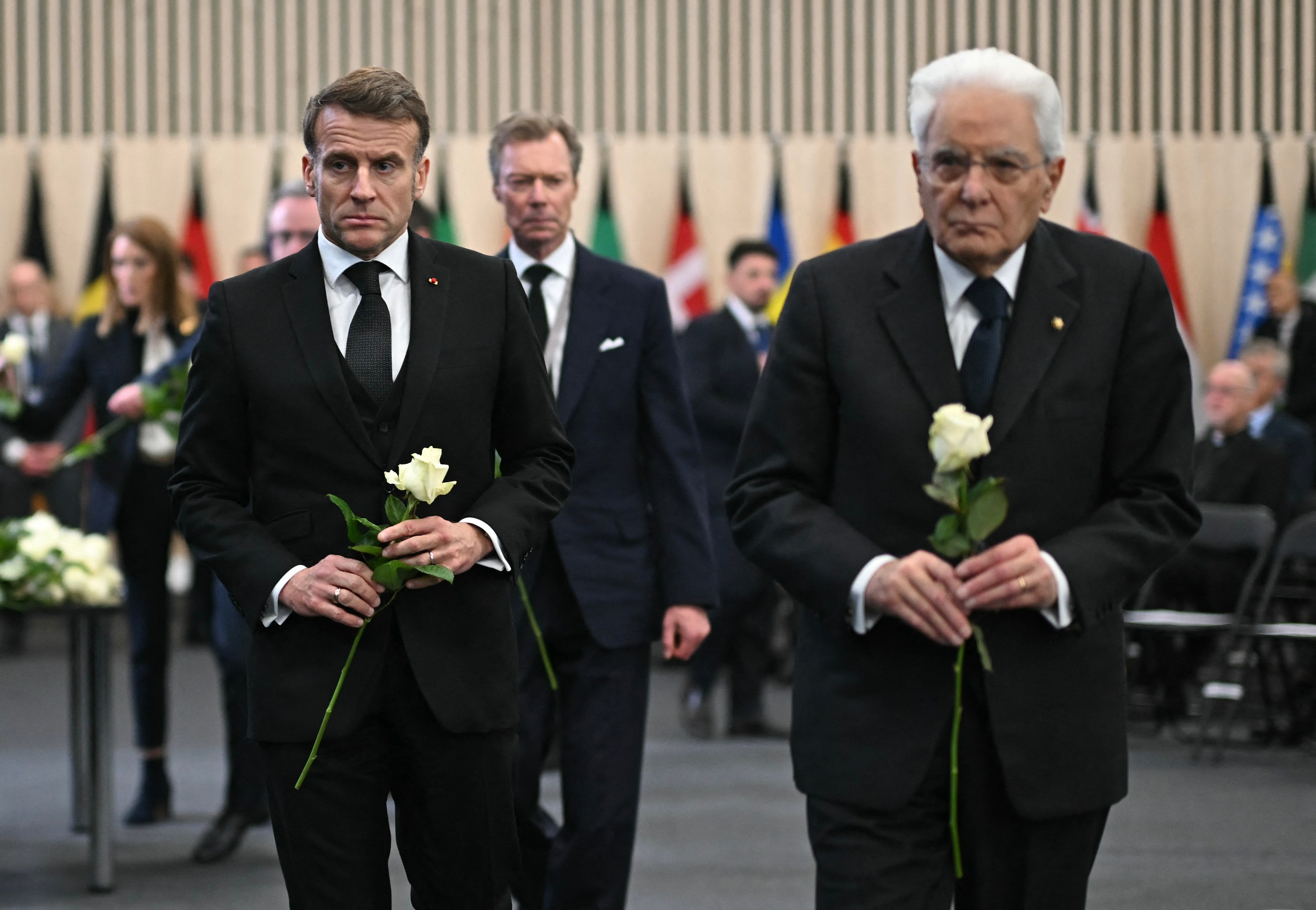
President Macron at the ceremony with President Mattarella of Italy
FABRICE COFFRINI
But bigger questions will follow. There will be those who argue we need to look again at the Swiss confederation, and perhaps bring Valais under greater control.
There’s a kind of amigo-kultur — “friend culture” — that exists there. Social structures are tight-knit. People help each other out. In the local authorities, local businesses and local politics, people know each other. They might come from the same family or have the same family name. We don’t know yet if this is part of the story with the fire, but this way of life may explain the lack of safety checks. It may also explain why journalists reporting on the case say they have been abused by residents of Crans-Montana.
The prosecutor in the fire case is the prosecutor of Valais. Lots of people are saying we need a prosecutor from outside the region, that Valais cannot solve its own case. Lawyers for the victims’ families are also saying the prosecutor appears to be showing little will to expose the council’s poor fire safety checks. Trust in the state and society is at risk. Trust in the sonderfall is at stake.
Reza Rafi is editor-in-chief of SonntagsBlick, the Sunday edition of Blick, one of Switzerland’s largest newspapers