
Published on
January 11, 2026
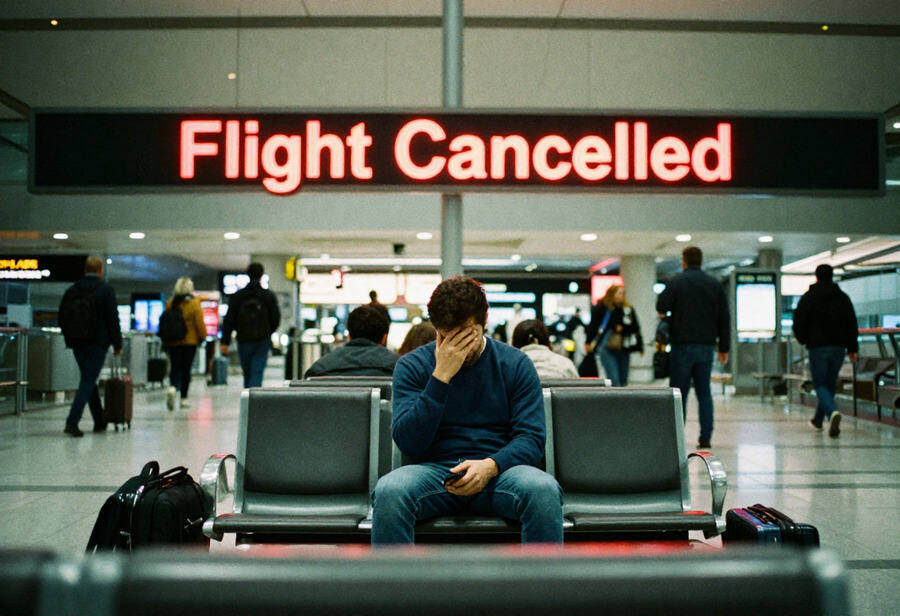
The snowstorm that struck Switzerland, France, Greece, Finland, and Germany on January 10, 2026, caused widespread travel chaos, leading to 2,082 flight delays and 90 cancellations. This extreme weather, including heavy snowfalls and reduced visibility, forced major airports like Zurich, Athens, Amsterdam, and Frankfurt to shut down runways and delay flights, leaving thousands of passengers stranded. Airlines such as Lufthansa, EasyJet, Wizz Air, KLM, and Swiss bore the brunt of the disruptions, further complicating the travel experience for those already dealing with the harsh winter conditions. The snowstorm that struck Switzerland, France, Greece, Finland, and Germany on January 10, 2026, caused widespread travel chaos, leading to 2,082 flight delays and 90 cancellations. This extreme weather, including heavy snowfalls and reduced visibility, forced major airports like Zurich, Athens, Amsterdam, and Frankfurt to shut down runways and delay flights, leaving thousands of passengers stranded. Airlines such as Lufthansa, EasyJet, Wizz Air, KLM, and Swiss bore the brunt of the disruptions, further complicating the travel experience for those already dealing with the harsh winter conditions. With limited communication from airlines and overwhelmed airport staff, travelers were left without clear answers, navigating an already difficult situation without knowing when or how they might be able to continue their journeys. The day’s disruptions were a stark reminder of how vulnerable travel can be to unpredictable weather events and the urgent need for better contingency planning in the face of such challenges.
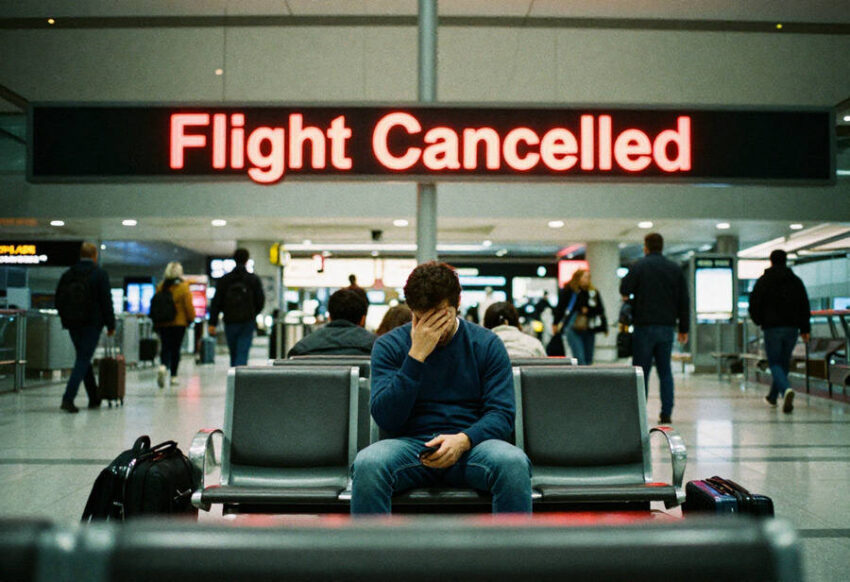
Europe witnessed one of its most severe travel disruptions in recent years as bad weather and heavy snowfall led to the cancellation of 90 flights and delays to 2,082 flights across several major airports on January 10, 2026. Countries such as Switzerland, France, Greece, Finland, and Germany faced significant travel bottlenecks, with thousands of passengers stranded at airports. The disruptions affected numerous airlines, including Lufthansa, EasyJet, Wizz Air, KLM, Swiss, and more. Among the airports hit hardest were Zurich, Athens, Amsterdam, and Frankfurt, all grappling with delays and cancellations that left passengers in a state of uncertainty.
Weather Woes: Snowstorm Causes Havoc Across Europe
The root cause of the widespread travel chaos was severe weather conditions, including snowstorms and heavy snowfalls, which impacted large swathes of Europe, especially in northern and central parts. The adverse weather conditions caused not only flight cancellations but also long delays as airports struggled to clear runways and manage the increased pressure on air traffic control systems.
Flight schedules were thrown into disarray as visibility was severely reduced, and snow accumulation led to runway closures and maintenance work. In several cases, flights were grounded due to safety concerns, prompting airlines to cancel or delay flights for several hours. With over 2,000 delayed flights and nearly 100 cancellations, passengers faced massive disruption, especially in busy airports like Zurich, Athens, Amsterdam, and Frankfurt.
Affected Airports and Routes
Key airports across Europe were affected by the weather-related disruptions, particularly those in Switzerland, France, Greece, Finland, and Germany. As the storm intensified, the main airports in these regions saw not only a high number of delayed flights but also an alarming number of cancellations. Passengers at these airports were forced to deal with the uncertainty of rescheduled flights or, in some cases, no alternative arrangements for hours or even days.
The following table highlights the key affected airports and the impact of the storm on flight operations:
Impact of Snowstorm: Airport Cancellations and Delays Across Europe
These numbers represent the scale of the disruptions faced by passengers. Amsterdam, Zurich, Frankfurt, and Athens International airports bore the brunt of the cancellations and delays, with a significant portion of flights from these hubs either delayed or canceled due to the storm.
Airlines Struggling to Cope: Lufthansa, EasyJet, Wizz Air, KLM, and Swiss
With such widespread disruptions, airlines operating in the affected regions had to grapple with operational challenges. Some airlines were forced to ground flights, while others delayed them for hours as the situation worsened throughout the day. The following table summarizes the delays and cancellations by some of the major airlines operating in the region:
Frozen in the Air: Europe’s Airline Delays and Cancellations Explained
Lufthansa, one of the largest European carriers, saw over 340 delays and a single cancellation, affecting its operations significantly. Other airlines like KLM, Swiss, and EasyJet also reported severe disruptions, with Swiss Airlines facing a staggering 72% delay rate for its flights. The airlines with the highest numbers of cancellations and delays were the ones operating out of the most impacted airports such as Zurich, Frankfurt, and Amsterdam.
The Passenger Experience: A Day of Uncertainty
For many passengers, the travel nightmare began before they even reached the airport. Reports from travelers highlighted the confusion and frustration as they arrived to find their flights either delayed or canceled without clear communication from the airlines. The lack of timely updates led to chaotic scenes in many terminals as passengers scrambled to find new flight options, often facing long lines and insufficient staff to handle the surge in queries.
As many of these travelers were left stranded for hours, airline counters were overwhelmed, and in some cases, customers were left with little choice but to wait indefinitely for updates. For some passengers, the snowstorms not only caused travel delays but also left them stuck overnight at airports. The absence of accommodation arrangements, due to the sudden nature of the cancellations, further exacerbated the already tense situation.
Airlines’ Response and Passenger Compensation
In the wake of the disruptions, several airlines began to offer compensation options, including rebooking flights, meal vouchers, and accommodations where possible. However, the sheer scale of the problem meant that many travelers were left with few options, especially those without flexible tickets.
Lufthansa and KLM, two of the most affected airlines, announced they would allow passengers to rebook flights at no extra charge. EasyJet, on the other hand, offered to cover hotel costs for stranded passengers and rebook them on the next available flight.
Despite these efforts, many passengers remained dissatisfied with the handling of the situation, citing poor communication and long wait times to resolve their issues.
Looking Ahead: The Future of Winter Travel in Europe
As Europe continues to grapple with unpredictable weather patterns, airlines and airports are being urged to improve their contingency planning for severe weather events. Enhanced communication between airlines, airports, and passengers is crucial to reduce the stress and confusion faced by travelers during such disruptions.
Given the rising frequency of extreme weather events, airports and airlines are now prioritizing the installation of advanced technologies to better manage delays and cancellations. Smart systems that can track weather patterns, update passengers in real-time, and automate rebooking processes are becoming a necessity to handle these events more effectively.
A powerful snowstorm on January 10, 2026, caused major disruptions across Europe, with 2,082 flight delays and 90 cancellations in countries like Switzerland, France, Greece, Finland, and Germany. The severe weather, including heavy snowfalls and poor visibility, grounded flights and caused chaos at airports in Zurich, Athens, Amsterdam, and Frankfurt, leaving thousands of passengers stranded.
January 10, 2026, was a challenging day for travelers across Europe. Weather-induced disruptions caused massive delays and cancellations that affected thousands of passengers, with Zurich, Athens, Amsterdam, and Frankfurt at the center of the storm. While airlines worked to rebook affected travelers and provide compensation, the scale of the disruption underscores the need for the aviation industry to invest in better resilience strategies for extreme weather events. As travelers continue to face an increasingly unpredictable world, the demand for efficient, transparent, and passenger-friendly travel systems has never been more crucial.
