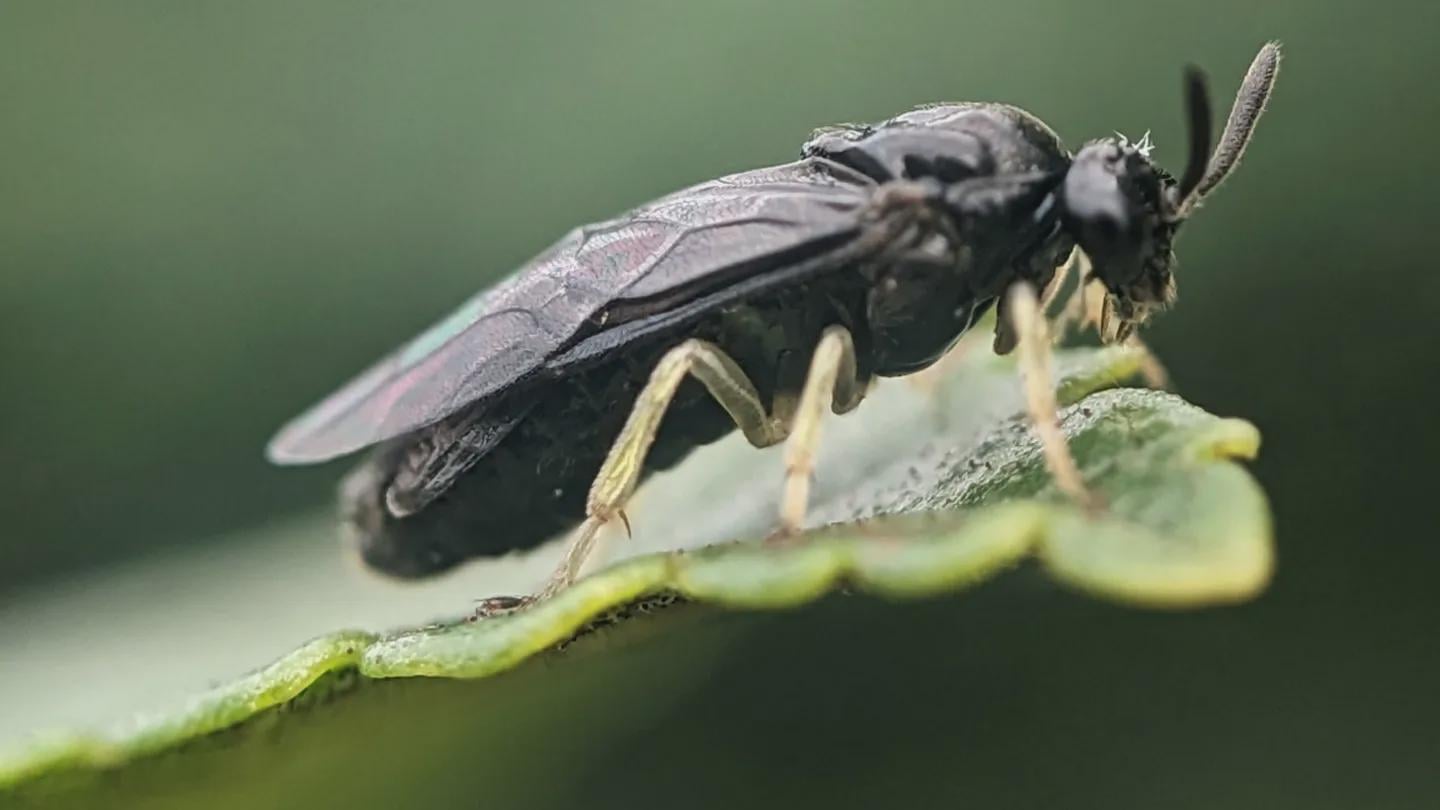
An all-female wasp is rapidly spreading across North America’s elms
An all-female wasp is rapidly spreading across North America’s elms

An all-female wasp is rapidly spreading across North America’s elms
An all-female wasp is rapidly spreading across North America’s elms
12 Comments
[removed]
[deleted]
I remember in the 80s-90s when dutch elm disease swept through the Midwest. It killed literally every elm on our wooded property and all of the elms in every forest preserve near us.
It was crazy how fast and devastating it was. You could stroll through the forest and see all these trees with a spiral twist in their trunks, and those were the dead elms.
Iirc it was a beetle of some kind that spread some kind of fungus. The city had these traps all over to try and catch/study those beetles.
What elms?
I kid. I read it. Seems like elm trees can’t catch a break in this country.
So they’re basically all clones of each other? Sharing the exact same DNA? Time to make some disease that targets just this wasp.
Hymenoptera don’t typically reproduce exclusively by parthenogenesis. Fertilized eggs are born male but unfertilized eggs remain viable and are born as mother-daughter clones. I can’t find any sources that confirm that no males of this species exist at all, only that they don’t exist in the American invasive populations.
*If* males do exist in Asia, perhaps introducing them to the invasive populations would cut their ability to multiply so rapidly by reducing the number of egg laying offspring.
This reminds me of how in Hawaii, Wiliwili trees were being attacked by the invasive Erythrina gall wasp. Thanks to scientists, however, the trees were saved from extinction because they identified another (parasitoid) wasp species that only targeted the gall wasp.
https://dlnr.hawaii.gov/forestry/plants/wiliwili/
I would hope we can do the same for North American elms.
In upper Manhattan we have spectacular elms that seem as old as the USA. They survived Dutch elm and lately the lantern flies. We’ll see about this one.
Ants work in a similar way, always female by default. The eggs require fertilization by the Queen to become male. (The part that’s not quite the same is that Ant Queens store semen from a male ant and will use that throughout her life to make males as needed. Males are made to be sent out during the “mating period” to mate with future queens of other colonies.)
Hell hath no fury like a woman scorn.
WASPS have been spreading across North America for some time…
God really hates trees.