
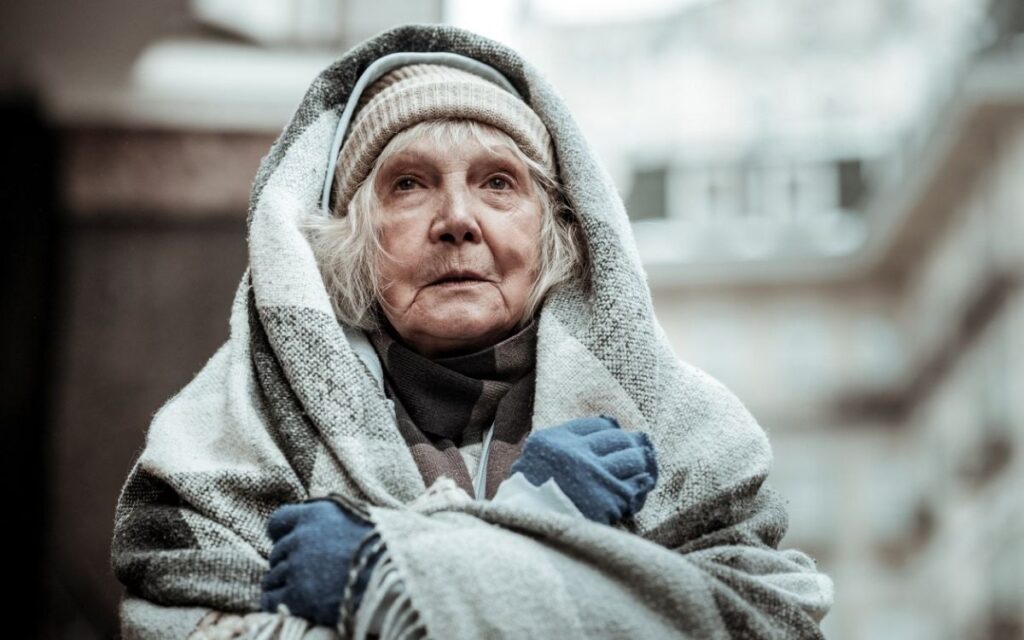
Australia’s homelessness conversation has long focused on younger people and families, but a growing and deeply troubling reality is being overlooked: older women are now one of the fastest‑growing groups experiencing homelessness. For the aged care and ageing sectors, this is not a peripheral issue – it sits squarely at the intersection of housing, health, income security and dignity in later life.
As Australia’s population ages, the housing insecurity facing older women is becoming a structural failure that directly impacts demand for aged care services, health systems and community supports.
Why older women are at such high risk
Women aged 55 and over are increasingly presenting to homelessness services, often for the first time in their lives. Unlike younger cohorts, many do not identify as homeless, instead cycling through unsafe or unstable arrangements such as couch surfing, living in vehicles, or remaining in unaffordable rentals at the expense of food, healthcare and wellbeing.
From an ageing perspective, the drivers are well‑established:
- lower lifetime earnings and superannuation: decades of lower wages, part‑time work and unpaid caregiving leave many women entering later life without the financial buffer needed to withstand housing shocks.
- reliance on the private rental market: older women are now the fastest‑growing cohort of older renters, yet the market offers little security, affordability or age‑appropriate housing.
- longer life expectancy: women live longer than men, increasing the likelihood of outliving savings, partners and secure housing.
- critical life events: bereavement, relationship breakdown, family violence or declining health can quickly destabilise housing in later life.
These factors combine to place older women on a pathway where housing insecurity becomes increasingly difficult to reverse as they age.
The link between homelessness, health and aged care
Housing instability accelerates health decline. For older women, insecure or unsafe housing is strongly associated with:
- worsening chronic conditions
- increased risk of falls and injury
- deteriorating mental health, including anxiety and depression
- delayed access to preventative healthcare
This has direct consequences for the aged care system. Older women experiencing homelessness or housing stress often present later, sicker and with more complex needs when they eventually seek aged care or health support. Without stable housing, ageing in place – a core objective of modern aged care policy – becomes impossible.
In practice, homelessness pushes older women toward crisis‑driven service use, emergency departments and premature entry into residential aged care, not because of care needs alone, but because there is nowhere safe to live.
A system not designed for ageing renters
Australia’s housing and aged care systems remain largely designed around home ownership. Yet a growing cohort of older women will never own a home. This misalignment leaves many ageing renters falling through policy gaps – too young or too independent for residential aged care, but too old and financially constrained to compete in the private rental market.
Public and community housing supply remains critically insufficient, with wait times often exceeding the realistic ageing horizon for women already in their 60s and 70s. For those already homeless, the absence of age‑appropriate, low‑cost housing severely limits options for recovery and stability.
What needs to change
For the ageing and aged care sectors, preventing homelessness among older women must be recognised as a form of early intervention.
Key priorities include:
- age‑appropriate affordable housing: increased investment in social and community housing designed specifically for older women, with accessibility and safety built in from the start.
- better integration with aged care: housing security should be embedded into aged care assessment, planning and service pathways.
- income and rental support reform: settings such as Commonwealth Rent Assistance must reflect real rental costs for older Australians on fixed incomes.
- innovative housing models: co‑housing, shared equity, small‑scale developments and supported housing can provide stability without institutionalisation.
Without these reforms, aged care providers will continue to absorb the downstream impacts of housing failure.
Why this matters for an ageing Australia
Older women experiencing homelessness are not a marginal group, they represent a growing segment of Australia’s ageing population. Many have spent their lives contributing through paid work, caregiving and community roles, yet face profound insecurity at a time when stability matters most.
Addressing homelessness among older women is not just a housing issue; it is fundamental to delivering a sustainable, humane and effective aged care system. If Australia is serious about supporting people to age with dignity, safety and choice, secure housing must be treated as essential infrastructure for ageing well.
Ignoring this crisis will only increase pressure on aged care services and health systems. Acting now offers the opportunity to prevent harm, reduce long‑term costs and ensure older women are not left behind as Australia grows older.