
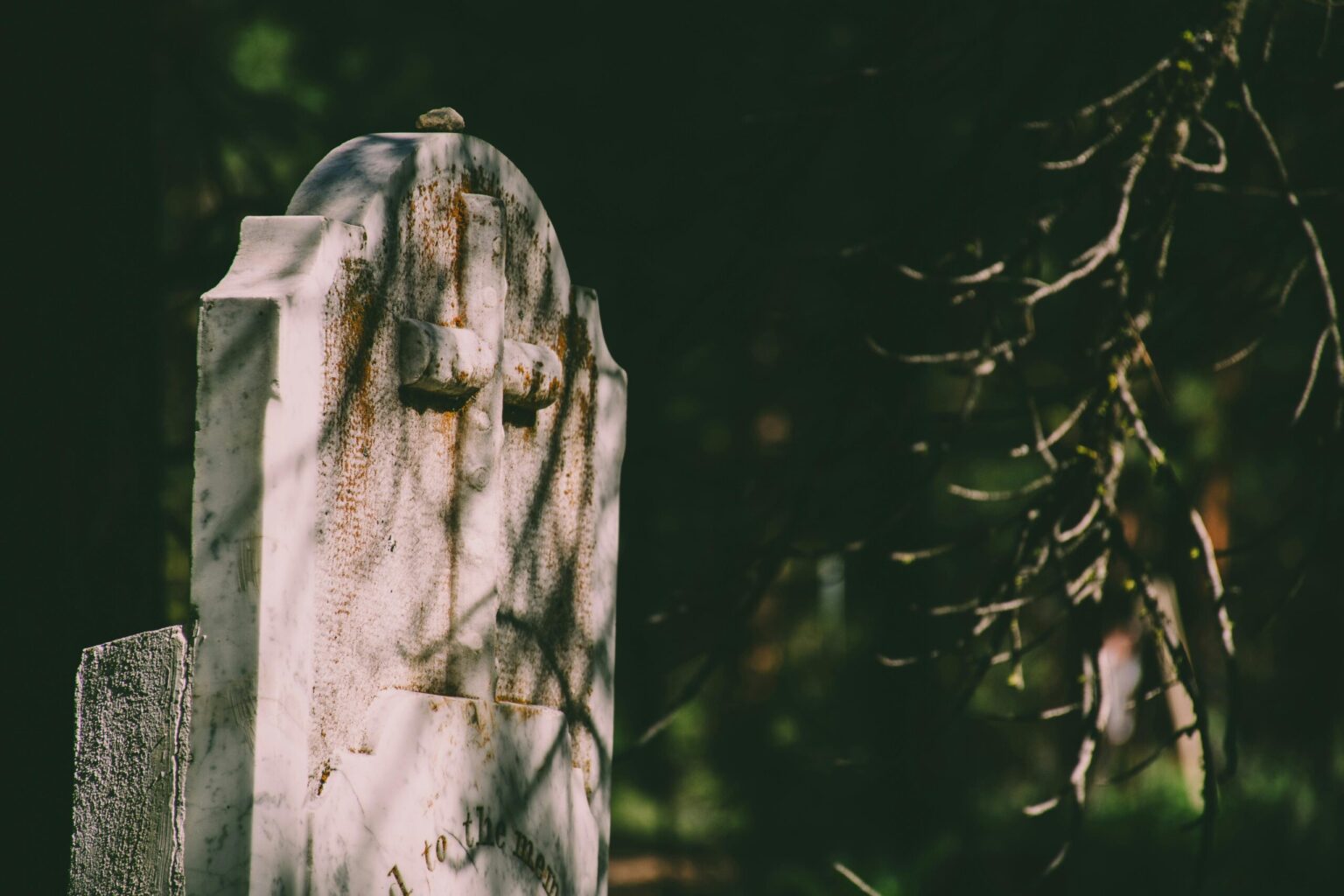
Being buried on the family farm may appeal to many farmers but regulations are likely to stymie any efforts to seek a final resting place on the land they loved.
Bradley Shaw, president of Funeral Directors Association of New Zealand, said requests by family clients for their loved one to be interred on the family farm are few and far between but do arise among the association’s members.
Shaw, who is based in Whakatane, said he had fielded few such inquiries over the years.
“But speaking to one of our members who went right through the process, they will testify it is very difficult to get it done. The regulations and rules around it are quite stringent and I guess they are like that deliberately,” he said.
Burials in NZ are governed by the Burials and Cremation Act of 1964. It requires people to be buried in a public cemetery or Māori burial ground, should one be available within 32km of the place where the death occurred.
“Importantly, this is ‘as the crow flies’ and means more often than not, particularly if someone has died in hospital, they will be within that distance and require burial in a cemetery.”
He said a number of high-country properties may fall beyond that distance, should death occur on a station.
Some long-established stations may also have family burial sites already in place. Burial is permitted in such sites if it has existed prior to the Act’s passage.
Stations that have cemeteries initially created for families and community members include Mesopotamia, Birch Hill and Mount Peel.
For deaths occurring outside the 32km distance, the Act stipulates burial may be allowed on other land described as a Special Place, subject to council and ministerial approval.
This is difficult to obtain. Data reported by the NZ Herald in 2023 found only 0.004% of all the people in NZ who died between 1965 and 2021 were granted Special Place burials.
However, a New Plymouth District Council spokesperson said it is misleading to interpret the Burials Act in isolation because of the need to also apply to the Ministry of Health for approval. If it is granted the burial site becomes a Gazetted location.
Shaw said a number of the association’s funeral home members have gone right through the process up to this point and stopped.
“The Ministry of Health approval is an issue.”
Farmers Weekly inquiries with district councils throughout NZ indicate several have received requests over the years for farm burials and all warned about its difficulty.
Ian Hyde, group manager of compliance for Ashburton District Council, said they had only received one in recent years.
Tasman District Council and South Taranaki have received only a few inquiries over recent years, although South Taranaki District Council has received two queries in recent months.
“While there is no set timeframe for legal and health approvals, it could take several months to complete, assuming all approvals are granted,” said a South Taranaki council spokesperson.
In Southland the district council’s manager for property services, Kevin McNaught, told Farmers Weekly the council has in the past had input, feedback and conditions related to the Act’s “Special Place” section.
“While the actual burial details are provided after the interment and recorded by the Ministry and council, the biggest issue in my mind is the ongoing recording of the burial on the record of title, which must be done for future reference of the location and any ongoing access rights etcetera. Especially if the properties are subsequently transferred out of the relevant families.”
He said this is a long-term issue that can be overlooked or not prioritised at the time of burial.
“If not adequately dealt with and protected it can cause long-term issues for the family if the site is damaged or current landowners do not allow access to family members in the future.”
Shaw said opting to scatter a loved one’s ashes on the land they loved always proves an easier option, and often a realistic compromise.