
From reproductive rights to climate change to Big Tech, The Independent is on the ground when the story is developing. Whether it’s investigating the financials of Elon Musk’s pro-Trump PAC or producing our latest documentary, ‘The A Word’, which shines a light on the American women fighting for reproductive rights, we know how important it is to parse out the facts from the messaging.
At such a critical moment in US history, we need reporters on the ground. Your donation allows us to keep sending journalists to speak to both sides of the story.
The Independent is trusted by Americans across the entire political spectrum. And unlike many other quality news outlets, we choose not to lock Americans out of our reporting and analysis with paywalls. We believe quality journalism should be available to everyone, paid for by those who can afford it.
Your support makes all the difference.
Read more
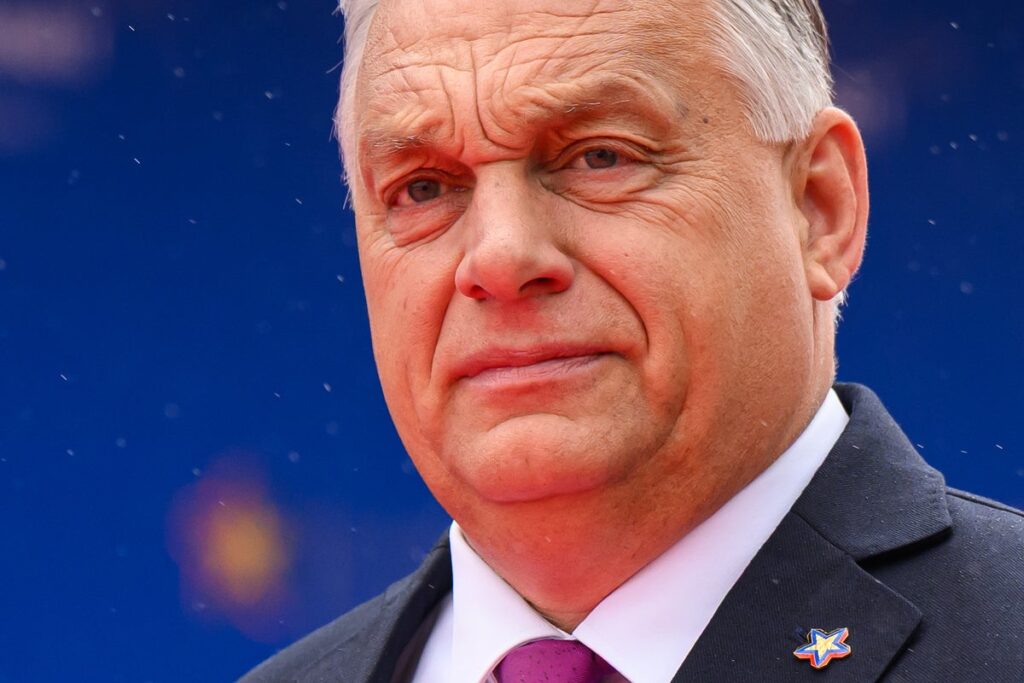
Hungary is gearing up for a parliamentary election on 12 April, where Prime Minister Viktor Orbán faces his most significant challenge in 16 years. This election marks a critical moment for the nationalist-populist Fidesz party, which has consistently trailed the opposition Tisza party in recent independent polls – a disadvantage not seen since Mr Orbán took office in 2010.
President Tamás Sulyok officially announced the election date on Tuesday, urging citizens to participate. “One of the cornerstones of democracy is the right to vote freely,” he stated on social media.
The outcome of Mr Orbán’s re-election campaign will resonate far beyond Hungary’s borders, with potential profound implications for Europe and its burgeoning far-right political movements. The nationalist leader maintains an anti-European Union alliance with US President Donald Trump and has fostered close ties with Moscow, even amid the ongoing conflict in Ukraine.
Orban vows security, Magyar set to fight corruption
Tisza’s leader, Péter Magyar, a 44-year-old centre-right lawyer, erupted onto Hungary’s political stage less than two years ago. He quickly built a political movement through nearly non-stop rural tours, leveraging dissatisfaction with the country’s chronically stagnant economy, high living costs, and fraying social services.
Magyar has also promised to dismantle Orbán’s system and put Hungary on a more prosperous, democratic track.
open image in gallery
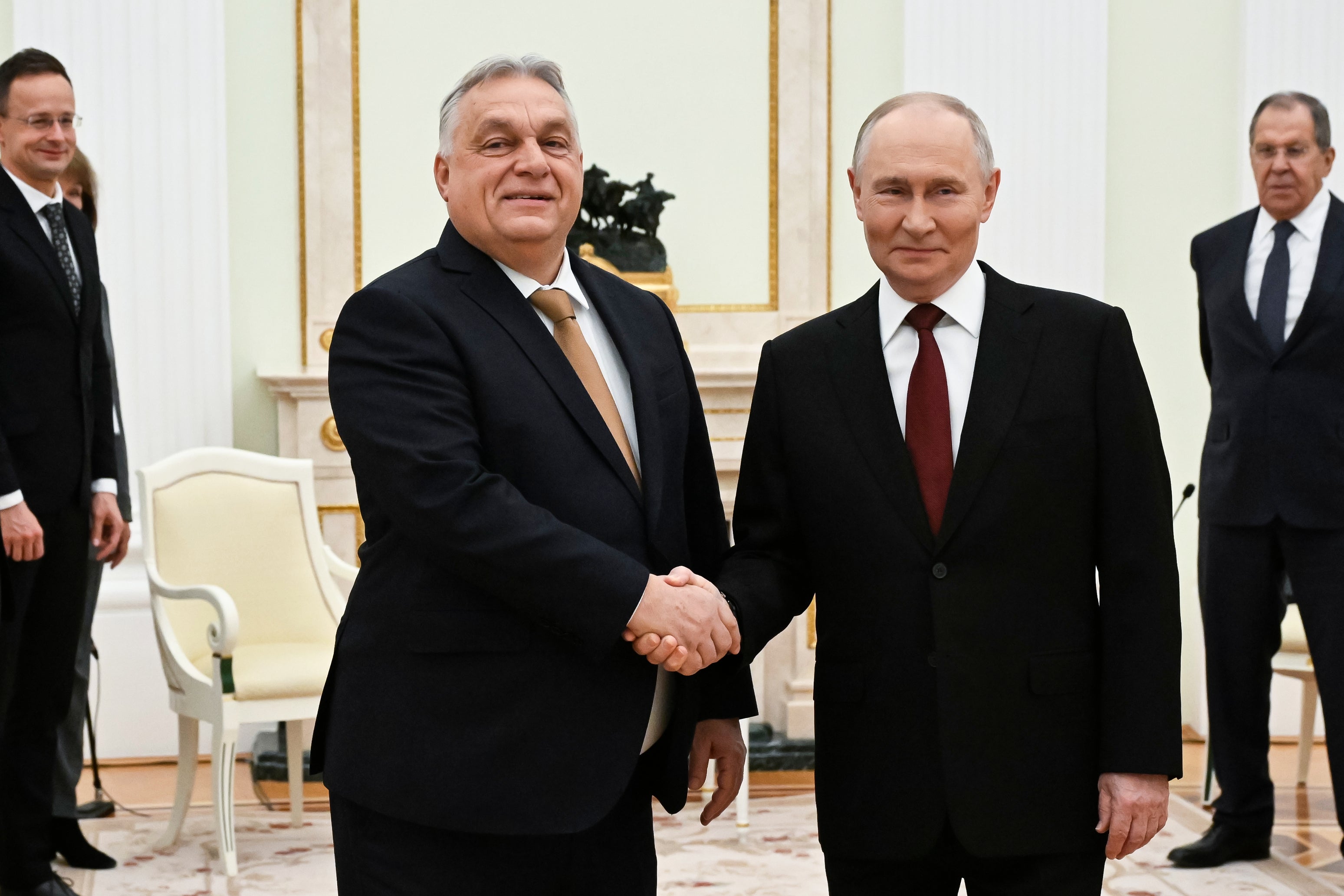
Russian President Vladimir Putin, right, and Hungarian Prime Minister Viktor Orban shake hands during their meeting at Kremlin in November 2025. (AP)
Orbán, the European Union’s longest-serving leader, reentered office in 2010 after serving one term as prime minister between 1998 and 2002. He boasts of transforming the European country into an “illiberal democracy,” and has centralised the country’s institutions and taken control of much of the media. His critics accuse him of overseeing what they say is a widespread network of official corruption.
The nationalist premier and his party have framed the April election as a choice between war and peace, claiming that Tisza is nothing more than an EU project contrived in Brussels to topple his government and install a puppet regime that will drain Hungary’s finances into the war in neighbouring Ukraine and even involve it directly in the conflict.
Orban’s Fidesz party campaigns with the slogan “The safe choice,” saying it would keep Hungary out of the war in Ukraine, while keeping out illegal migrants.
Fidesz politicians and loyal media outlets have also accused Tisza of secretly plotting to raise taxes and institute draconian austerity measures, all claims the opposition party has strongly denied.
open image in gallery
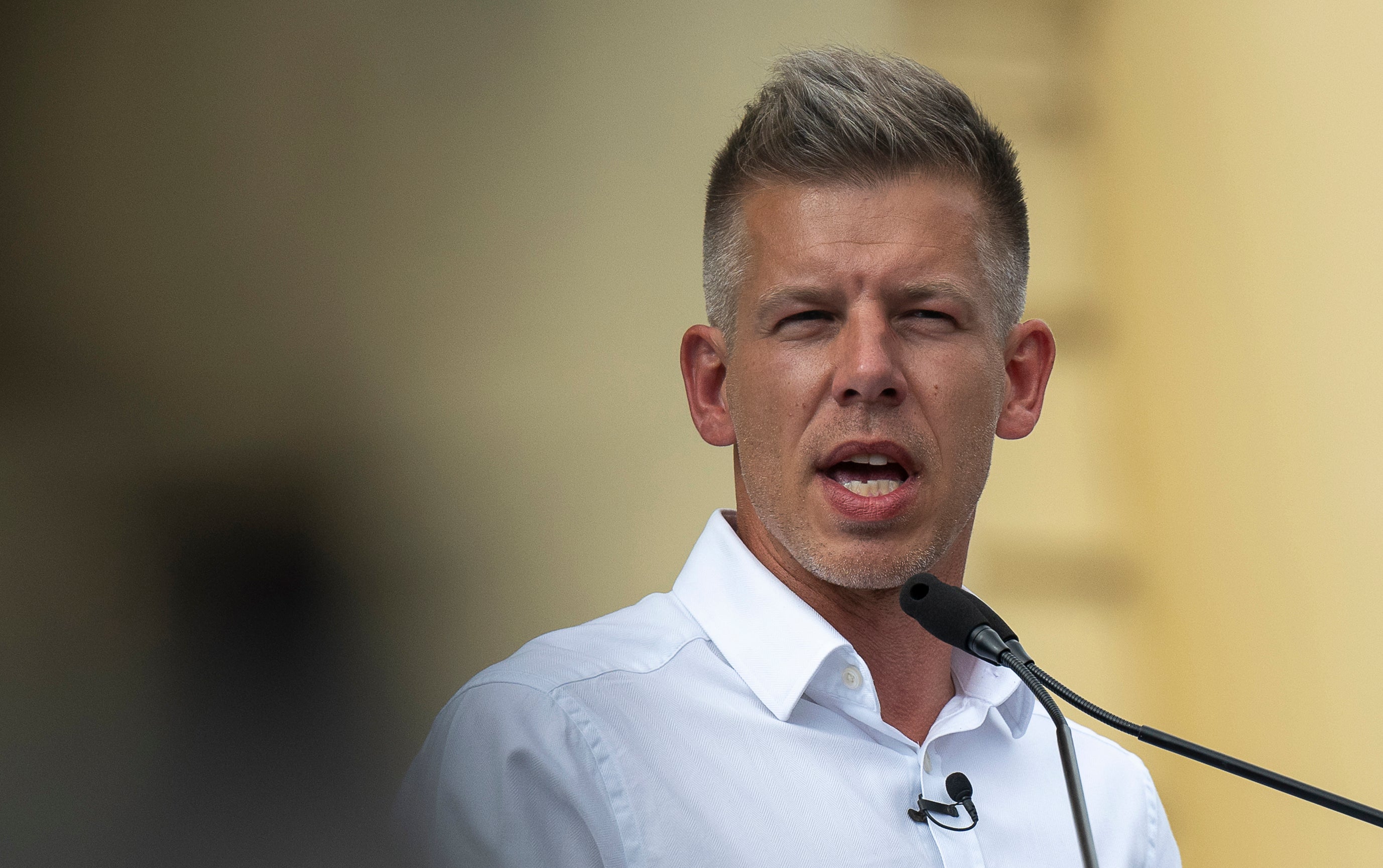
Péter Magyar addresses people at a campaign rally in the rural city of Debrecen, Hungary. (Copyright 2024 The Associated Press. All rights reserved.)
Meanwhile, Magyar has vowed that if elected, he’d introduce anti-corruption measures and bring home billions of euros in funding the EU has frozen to Budapest over judicial independence and corruption concerns.
Magyar has also said that he would keep Hungary firmly anchored in the European Union and NATO and strive for “pragmatic relations” with Russia.
Orbán has refused to hold a televised debate with Magyar. His last debate against an opponent was before the 2006 election, which he lost.
The official campaign period, during which signature collection for parliamentary candidates may begin and election posters can be put up, will begin on Feb. 21.
Additional reporting by Reuters.