
Kaleigh Harrison
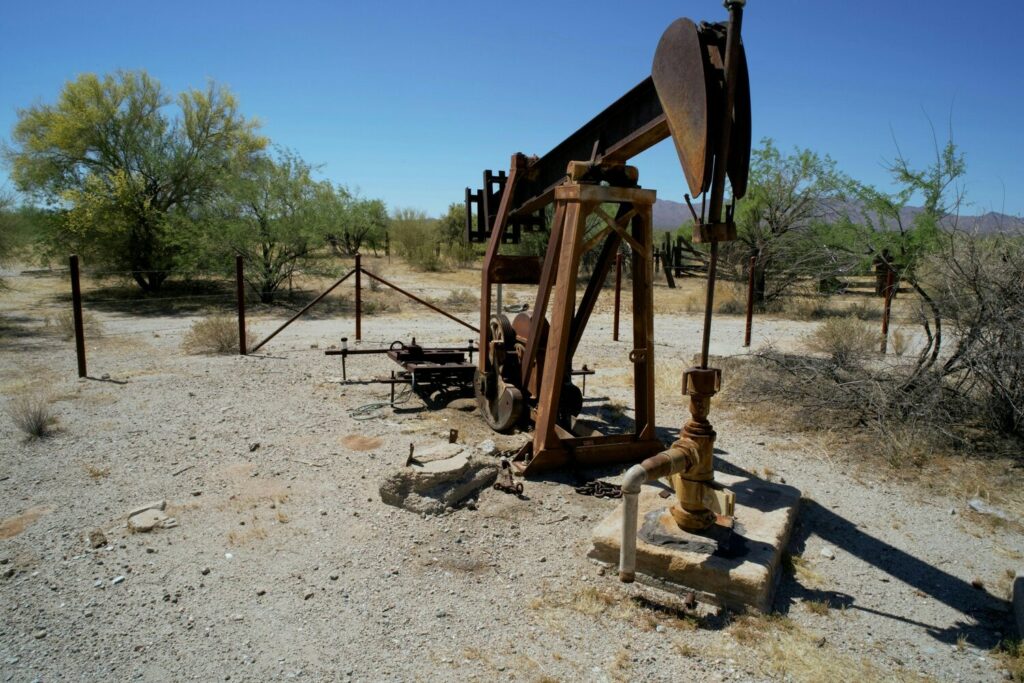
A new partnership between Well Done Foundation (WDF) and Heath Incorporated, announced in January, is taking aim at one of the more persistent blind spots in emissions monitoring: orphaned and abandoned oil and gas wells. These wells often go undetected for years while leaking methane—an especially potent greenhouse gas.
The collaboration pairs WDF’s field remediation experience with Heath’s long-established gas detection technologies and services. The goal is to produce consistent, defensible emissions data that can meet both environmental and operational standards.
This move reflects a wider shift in the energy industry, where environmental performance is no longer judged solely by intentions or outcomes, but by the quality and traceability of the data behind them. Whether it’s an orphaned well in a remote pasture or a commercial wellpad still in operation, the expectation is moving toward auditable data that can inform everything from local mitigation to ESG reporting.
Scaling Solutions Through Software and Standards
A key component of the partnership is the expansion of *Well Intel*, a SaaS platform originally developed by WDF to track and manage its nonprofit remediation efforts. Now, it’s being scaled for broader use across the upstream and midstream oil and gas sectors.
Heath will integrate Well Intel into its existing commercial offerings, essentially connecting emissions detection tools already in the field to a central platform that supports long-term data management. The platform was shaped by challenges encountered during on-site remediation—tracking leak data, validating fixes, and maintaining continuity over time.
By combining detection hardware with a software layer focused on transparency and standardization, the partnership closes a long-standing gap: data gathered during field detection is now directly connected to mitigation strategies and compliance workflows.
Heath’s tools are more than theoretical – they were already used in past WDF projects, including a well near a Missouri school where fast detection helped prevent a potential health risk. These shared learnings have informed how the organizations plan to scale up their approach and apply it beyond nonprofit work.
For Heath, the collaboration extends its role beyond leak detection into long-term emissions accountability. For WDF, it formalizes an already-tested partnership and offers a path to bring field-proven processes to commercial actors.