
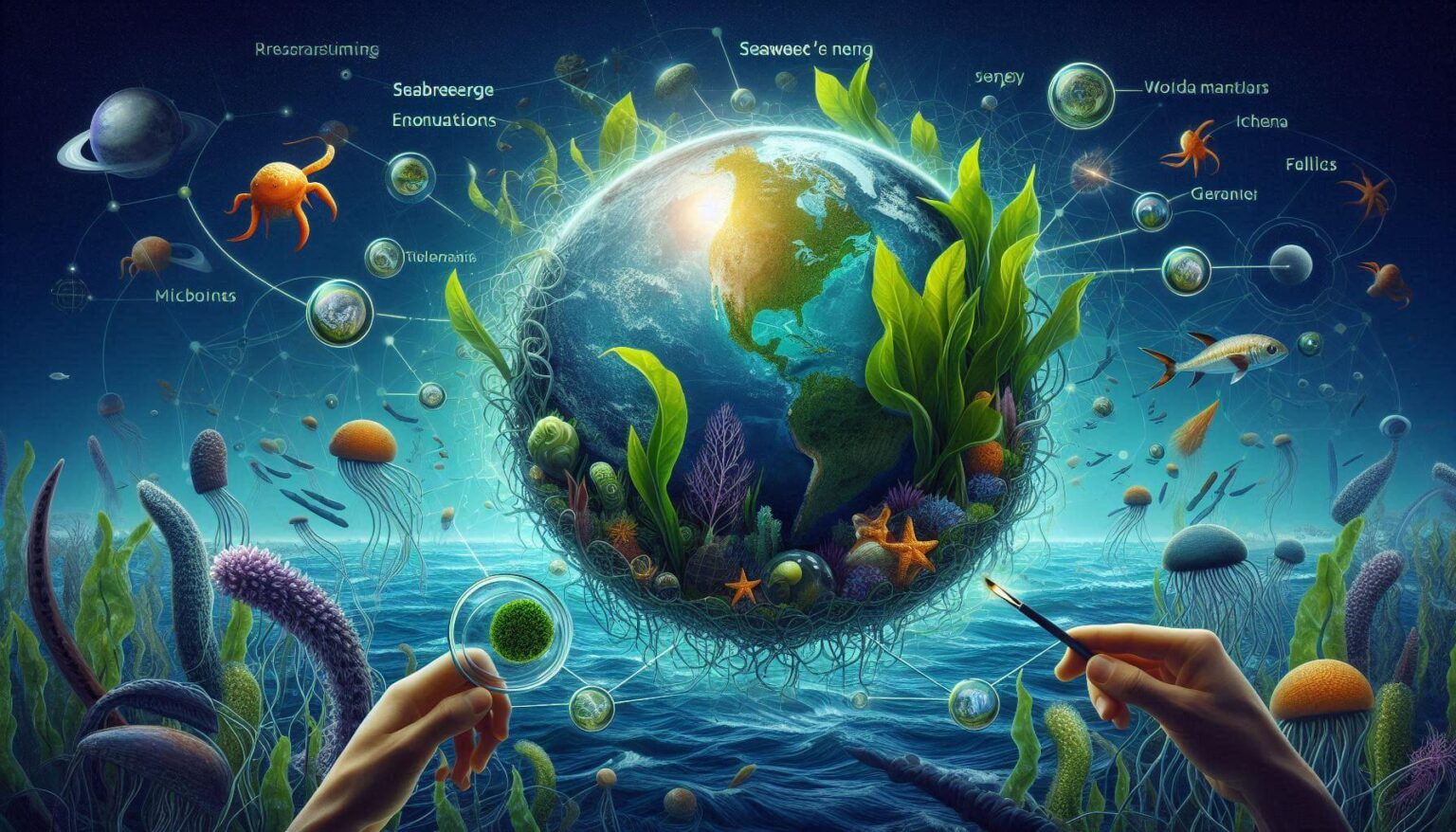
I went down a bit of a rabbit hole reading about seaweed recently, and it’s way more interesting than I expected.
Turns out, seaweed farming doesn’t need land, freshwater, or fertilizer, but it still grows incredibly fast. Some projects are using it to absorb carbon, some are turning it into biofuel, and others are adding it to animal feed to reduce methane emissions.
What surprised me is that the same thing is showing up in energy, food, and climate research at the same time — which doesn’t happen often.
I ended up writing a longer post putting all of this together (what’s working, what’s hype, and what’s still unclear).
Would love to hear what others think — does this actually scale, or does it fall apart once you try to do it globally?
2 Comments
Until then we’ll have to rely on just regular old weed /s
People will need to eat something after we kill all the fish. Thanks Big Oil.