
Published on
January 18, 2026
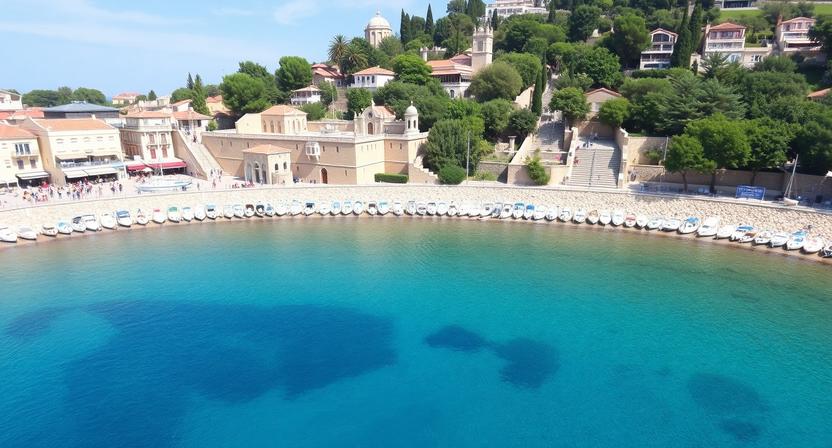
Malta is at the forefront in promoting a revolution in the tourism industry in Malta through the use of the EU ecolabel as a mode of green accreditation in the growth of sustainable tourism in Malta through its hotels and resorts. This will help Malta get at the forefront in the new drive towards sustainable tourism across the globe, where people are more interested in environments that are preserved for the future.
Malta is targeting a leading role in eco-tourism and sustainable tourism, and the focus will be on sustainable tourism practices to deliver authentic experience and sustainable tourism while maintaining the natural and cultural heritage of Malta. Encouraging more hotels to display the EU ecolabel in Malta is ensuring a sustainable tourism environment for not only tourists, but also the environment and the economy.
The Role of the EU Ecolabel in Driving Sustainable Tourism Impact
The EU ecolabel is not just a logo—it is the official environmental seal of the European Union, awarded only to businesses that meet rigorous, science-based criteria for environmental excellence. For hotels in Malta, achieving the EU ecolabel requires a comprehensive assessment of their operations, including energy efficiency, water conservation, waste management, and the reduction of single-use plastics.
This certification ensures that hotels are not only minimizing their environmental footprint but are also improving operational efficiency, leading to reduced operational costs. This has a direct sustainable tourism impact, ensuring that Malta’s tourism sector thrives without depleting its natural resources or harming its local communities.
Supporting Sustainable Growth in Malta’s Hospitality Sector
Adopting sustainable tourism practices is not just an environmental decision; it is a competitive necessity. As global travelers seek more eco-friendly accommodations, hotels with the EU ecolabel can attract a growing segment of conscious travelers who prioritize green tourism in their decision-making. These travelers are willing to pay a premium for luxury stays that align with their values of sustainability and responsibility.
Hotels in Malta that achieve the EU ecolabel are positioned to benefit from increased market access on popular booking platforms, many of which now prioritize green-certified properties. This will help Malta’s hospitality sector remain competitive in the luxury tourism market, while fostering long-term tourism growth that doesn’t compromise the country’s environmental integrity.
Environmental and Cultural Preservation Through Sustainable Tourism
The growing demand for sustainable tourism in Malta presents an opportunity to protect natural landscapes and preserve cultural heritage while meeting the needs of the modern traveler. The adoption of the EU ecolabel ensures that hotels take active steps to protect Malta’s unique environment, which is key to maintaining the country’s appeal as a top travel destination.
By promoting environmentally responsible practices, such as the use of local materials, energy-efficient systems, and waste reduction, the hotel industry contributes to sustainable tourism growth that benefits both the environment and local communities. For example, the reduction of single-use plastics and the promotion of local suppliers help minimize environmental impact while supporting local economies.
Additionally, promoting cultural tourism through authentic, locally inspired experiences aligns with the values of responsible tourism, where visitors not only enjoy the beauty of a destination but also respect and engage with its heritage.
Economic Impact of Sustainable Tourism in Malta
The EU ecolabel certification also offers significant economic advantages. Sustainable hotels attract high-value tourists, especially those who stay longer, spend more, and visit off-the-beaten-path locations, which alleviates the strain on overcrowded destinations. This economic diversification is crucial for Malta, where tourism is a vital pillar of the economy.
Sustainable tourism also creates job opportunities, particularly in local communities, by supporting small businesses, artisans, and cultural institutions. As the tourism sector embraces green certifications, it contributes to job creation in areas such as hospitality, transportation, and environmental management, providing both direct and indirect economic benefits.
Aligning Malta with Global Sustainable Travel Trends
Globally, the tourism industry is shifting toward more sustainable practices, and Malta is positioning itself as a leading destination in this transition. By embracing eco-tourism, sustainable hospitality, and authentic local experiences, the country is not only enhancing its tourism offerings but also fostering environmental awareness among visitors and businesses.
The growing focus on responsible tourism aligns with the increasing demand for low-impact travel experiences, where luxury meets consciousness. As a result, Malta is set to attract a new generation of travelers who prioritize destinations that align with their values of sustainability and cultural preservation.
Building a Long-Term Vision for Sustainable Tourism in Malta
Thus, it is crystal clear what sustainable tourism growth looks like going forward for Malta: the unfolding of Malta into a premium destination that seamlessly integrates luxury travel with environmental responsibility. The EU ecolabel is central to this vision and contributes to foster a tourism sector that is innovative, eco-conscious, and culturally rooted.
With the expansion of green-certified hotels and the promotion of alternative means of sustainable travel, Malta is laying the bedrock for the attainment of sustainable growth that balances economic development with environmental and cultural preservation. This is the course that can position Malta in the front rank in eco-tourism as it will keep leading the globe in the travel world, attracting travelers who value luxury combined with sustainability.
