
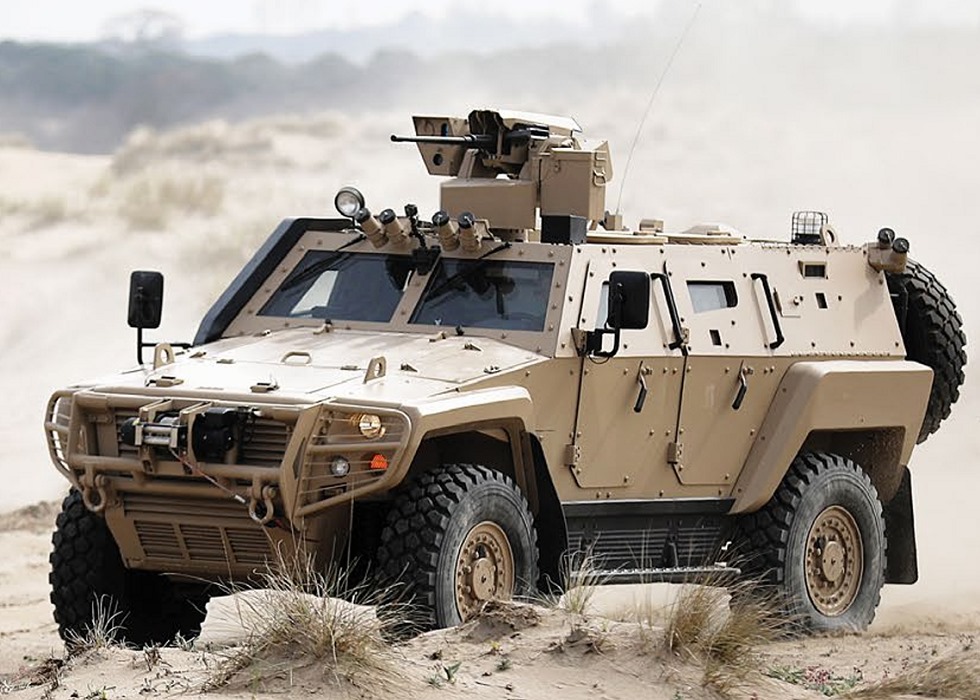
Otokar’s exposure to an estimated TRY 2 billion penalty in a Romanian 4×4 armoured vehicle procurement has reignited a long-running debate in the European defence market: when penalty clauses and technology-transfer demands become overly rigid, they may secure discipline on paper — but undermine competition and slow down capability delivery in practice.
At first glance, the case may look like a straightforward supplier failure. For observers unfamiliar with Romania’s defence procurement culture, heavy sanctions tied to missed milestones may appear to reflect shortcomings in planning, execution, or schedule control. Otokar is an established exporter of wheeled armoured vehicles, making the scale of the penalty particularly noteworthy.
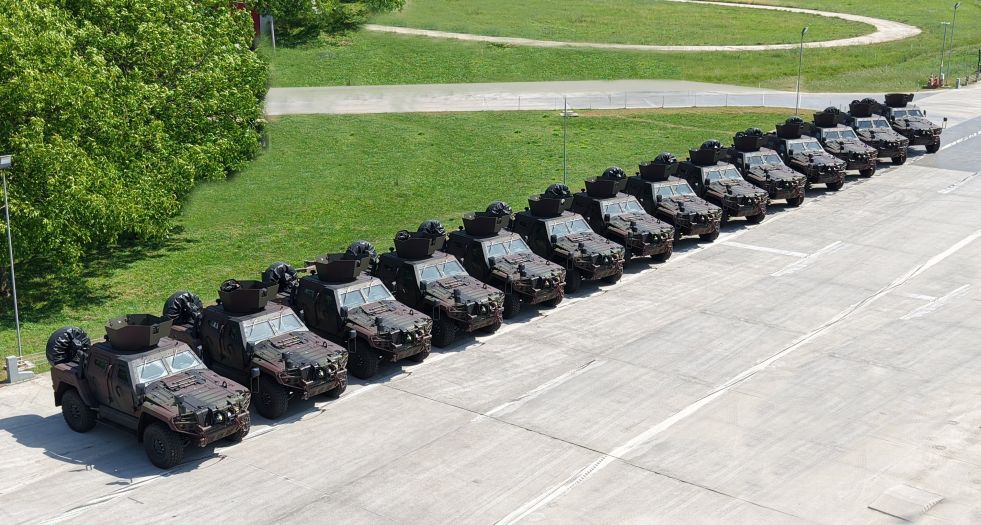
However, Romania’s tender design over recent years suggests that the Otokar case is not best explained as a single-company problem. Instead, it points to a structural pattern in which certain Romanian procurements combine ambitious technology-transfer requirements with exceptionally punitive delay clauses, creating a risk environment that can be difficult even for well-capitalised contractors.
Industry sources note that in the same programme pursued by Otokar — a major Turkish land systems company backed by Koç Holding — the US manufacturer Oshkosh reportedly withdrew after judging the technology-transfer requirement unacceptable. Türkiye’s Nurol Makina is also understood to have stayed out of the tender, citing extraordinary penalty conditions. The result was a narrowed competitive field, illustrating how strict contractual architecture can shape participation as much as technical specifications do.
A comparison with broader European practice underlines the difference in how discipline is enforced. In the United Kingdom, delay sanctions are typically structured through liquidated damages, applied against defined milestones with escalation through contractual remedies such as termination and re-procurement once thresholds are exceeded. In Germany, delays are often addressed via Vertragsstrafe, a more standardised contractual penalty regime where acceptance is as important as delivery and a significant portion of schedule risk is transferred to the contractor. In both cases, the mechanisms are designed to preserve schedule discipline while keeping participation commercially viable.
Romania’s harsher approach has produced significant penalties before. A notable precedent occurred in 2019, when Romania’s Ministry of National Defence reportedly invoiced the prime contractor under the Piranha V IFV programme for EUR 8.5 million in default interest and delay-related charges. At today’s exchange levels, that is roughly TRY 428 million, reinforcing the view that Romania has been willing to impose sizeable sanctions not only contractually, but operationally.
While Romanian authorities are understood to have introduced some improvements in tender terms for subsequent programmes, industry voices frequently argue these measures remain insufficient. The Otokar case is seen as particularly consequential because it involves one of the most established and financially resilient suppliers in the Turkish defence sector. Otokar, backed by Koç Holding, has the financial resilience to absorb such penalties; however, the episode is still likely to create a negative reference point for other potential bidders in future Romanian tenders.
Another issue strengthening this perception is Romania’s history of procurement attempts ending without awards. Industry specialists argue that this is not because Romania requests technically unachievable platforms. Rather, the tender environment itself — particularly the scale and structure of penalty provisions — is seen as a key factor driving bidders away.
In one example cited by sector experts, a Romanian communications tender reportedly attracted interest from three Western firms, yet none ultimately submitted a bid due to the severity of penalty conditions. Although such cases may not always reach the public domain, they are considered among the most candid indicators of how Romania’s procurement process is viewed by the supplier community: the limiting factor is not capability, but risk.
For Romania, which seeks to accelerate rearmament amid concerns that Russia could expand pressure beyond Ukraine into the wider European theatre, the strategic implications are clear. If tender terms deter participation, reduce competition, and increase the likelihood of disputes, the harshest penalty may not fall on the supplier — but on Romania’s own modernisation timetable.