
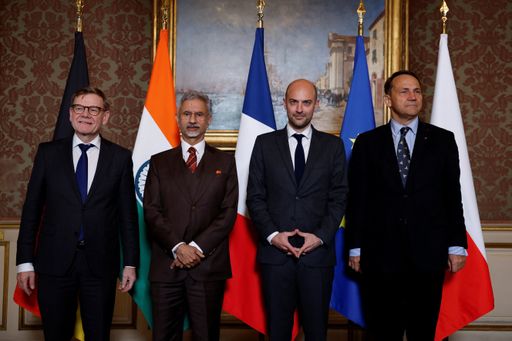
New Delhi pushes back against Polish criticism, warning Warsaw against actions it says legitimise or enable cross-border militancy and selective pressure on India.
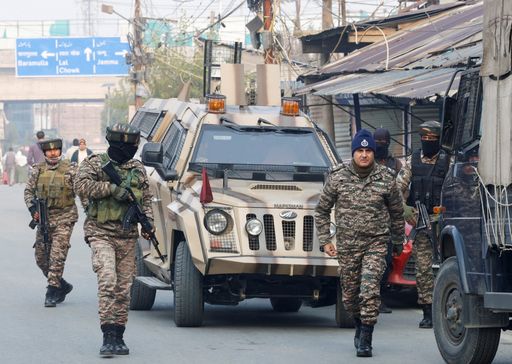
India has accused Poland of contributing to instability in South Asia, with Indian External Affairs Minister S. Jaishankar warning Warsaw against any actions that could enable what New Delhi describes as “terrorist infrastructure” in the region.
The accusation, delivered in an unusually blunt tone, occurred during bilateral talks held in New Delhi on Monday between Jaishankar and Polish Deputy Prime Minister and Minister of Foreign Affairs, Radosław Sikorski, and appeared aimed at deflecting growing European criticism of India’s foreign policy positioning.
Indian officials framed the remarks as a response to earlier Polish statements critical of New Delhi’s international alignments, particularly its continued economic engagement with Russia amid the war in Ukraine.
In his opening remarks, Jaishankar said, “Poland must demonstrate zero tolerance for terrorism and must not contribute to fueling the terrorist infrastructure in our region,” language that analysts say reflects India’s long-standing effort to recast diplomatic disagreements as security threats.
Observers say the remarks underscored New Delhi’s increasingly defensive posture as it faces pressure from Western governments over Ukraine, energy trade and human rights.
Related
Roots of the Friction
Indian officials stated the comments were a rebuttal to Polish accusations that India’s energy purchases were helping bankroll Russia’s war effort — a claim New Delhi has rejected but which has gained traction across Europe.
Rather than addressing the substance of those concerns, India has argued that it is being unfairly singled out, despite European states having maintained significant economic ties with Moscow in the past.
Jaishankar said he had raised these objections with Sikorski during previous meetings, including in New York and Paris, insisting that India was being subjected to selective political pressure.
Sikorski, however, avoided endorsing India’s broader framing, instead agreeing only in general terms on the need to counter cross-border terrorism.