

Part I – Elegy for a German Mother and Her Children
As I celebrate my sixth anniversary in France this month and reflect on my failed American Dream, I find myself thinking about why I came here and why I never returned to Germany. My dream was never merely to become wealthy and famous. I wanted to create work that could touch lives, illuminate humanity, establish equality, and bring honor to people who have been silenced and discriminated against. I thought I could achieve this as a writer.
At the time, I had been working for nearly a decade on a novel inspired by Therese W., a woman who longed for something beyond society’s narrow expectations and resisted a life defined solely by motherhood and household duties. I later adapted her story into a screenplay. I discovered her story at the Library of the House of the Wannsee Conference in 2009 and felt an immediate calling to engage with it creatively. At that time, the world seemed uninterested in stories like hers. There was no heroine, and no positive spin. Women in Los Angeles could not fully understand what life was like for women in Germany after World War II, especially those raising a child with a severe disability and epilepsy in a small town before the Millennium. Nor could a Londoner, a New Yorker, or a woman from a bourgeois family in Berlin.
This choice to settle in France rather than return to Germany, after more than two decades in the United States and the impossibility of obtaining permanent residence even after twenty-five years, was also shaped by my research into the Nazis’ Aktion T-4 program. I learned that many doctors and staff who carried out the systematic killing of people with intellectual disabilities, epilepsy, mental illness, or those who did not fit the system were never held accountable for their crimes against humanity. While I had always understood the horror of the Holocaust, I knew very little about the Nazis’ involuntary euthanasia program and its implementation in Germany until my years of research.
This knowledge forced me to confront the situation of women born during or right after World War II in Germany and the German healthcare system. As I reflected on my brother’s life, it became painfully clear that he had not received the care he deserved. He required far more than medication. He needed holistic care, careful attention to nutrition, stimulation, and mental support for him and for my mother as his primary caregiver, as well as guidance for the family to understand the interconnections between food, epilepsy, stress, exercise, and proper sleep. Even an intellectually disabled person can suffer from depression, yet these dimensions were largely ignored.
As I have mentioned before, my brother remained at a developmental stage comparable to that of a toddler, alongside his severe epilepsy. The cause of his condition was never clarified, but it was diagnosed at around age one. He died at the age of thirty-two, his body weakened by illness and pneumonia, eighteen months after my return to Los Angeles in August 2001. Throughout my life, I defended him, whether on the street when people were staring at him or by taking a stance when people questioned the value of his life.
One incident in particular remains etched in my memory. A man I dated when I first arrived in Berlin to continue and finish my studies at the Free University in 1993, a member of a noble family, commented that my brother’s medical treatments would cost the state a great deal of money. Later, a female colleague once asked me about my siblings’ professions. When I explained that my brother could not work due to his condition and described the severity of his seizures, she casually remarked that it might be better for him to die. This was unacceptable to me.
Medical records and letters between various doctors from 1982 to 1983, which I received after the pandemic from the Epilepsy Center in Kork-Kehl, show that my brother’s treating doctor insisted he be institutionalized. He described my mother as overprotective and claimed that her mental state was decompensated, and that the situation at home was more than concerning. I also remember my mother telling me that the doctors predicted he most likely would not survive his adolescent years. Thus, we lived with constant anxiety. These assessments, along with the overall attitude toward people like my brother, had devastating consequences.
This continuous neglect of my family’s well-being is intolerable. After a recent heart attack and a fall that injured her chest, my mother was discharged from the hospital on December 9 without a care bed for eight days. She refused rehabilitation because she preferred to be at home, where she feels more comfortable. So far, only twice has a caregiver come to help her shower, and no physiotherapist was sent to assist with her recovery. It took five weeks—until January 14, 2026—for an inspector to evaluate whether the care recommended by the hospital was adequate. He arrived when she was feeling somewhat better, and a week later she still had not received the paperwork.
Yet on the first day of my two-week holiday visit, when I assisted her around the clock, she nearly broke down on the stairs due to the side effects of her sleeping medication. My father and I had to help her climb the seven steps to reach the bathroom. If he did not take her blood pressure every morning, no one would be monitoring an eighty-five-year-old woman recently discharged after a heart attack. Had she gone to a rehabilitation facility, the state would have had to cover the cost of the room, caretakers, holiday pay, and night shifts.
Over decades, my mother provided constant care for my brother, monitoring him at night and attending to his needs every day, including holidays. She bathed him and changed his clothes daily and often had to rise at night to take him to the bathroom. By conservative estimates, she spent one hundred hours per week, fifty-two weeks per year, for thirty-two years—a total of 166,400 hours. Applying Germany’s 2026 minimum wage of 13.90 euros per hour, without factoring in night-shift premiums, holiday or weekend pay, or paid vacation, this amounts to 2,312,960 euros. At California’s 2026 minimum wage of 16.90 dollars per hour, the same number of hours would amount to 2,812,160 dollars.
These figures reveal not the demands of a life lived, but the enormous economic value of unpaid family caregiving and the systemic failure to recognize it. Yet she receives nothing that reflects the decades of hard labor she performed without any breaks. Her retirement income is only 550 euros per month, from which she must pay out of pocket for private professional assistance whenever no one else is available. That a woman should devote decades of care and live without independent financial security is one of the starkest forms of discrimination in the world.
I had already written an essay about Simone de Beauvoir’s The Second Sex in the 1980s, as a student at Mörike Gymnasium in Ludwigsburg, where I empathized with my mother’s position. Not enough has been done for women of her generation in Germany since then, and I have felt her pain all along. I believed I could break the cycle. Yet when you look at the news, you never see people marching for women like her — though she is worth millions in care, effort, and humanity.
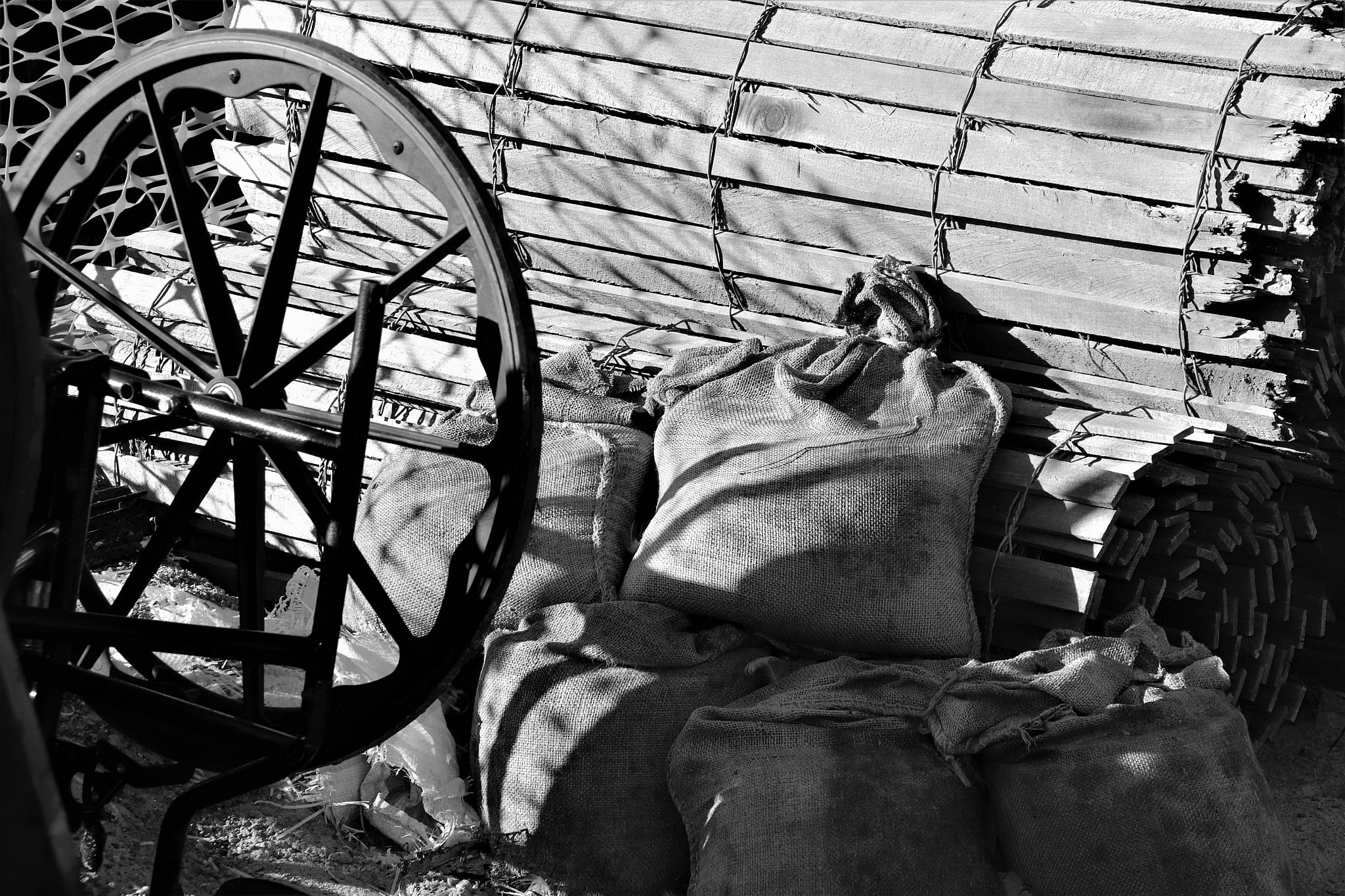
Wheel of a wheelchair, tossed upside down on the beach at Redondo, California, photographed in December 2019 during my final days in the United States. Photo credit: Simone Suzanne Kussatz / ARETE
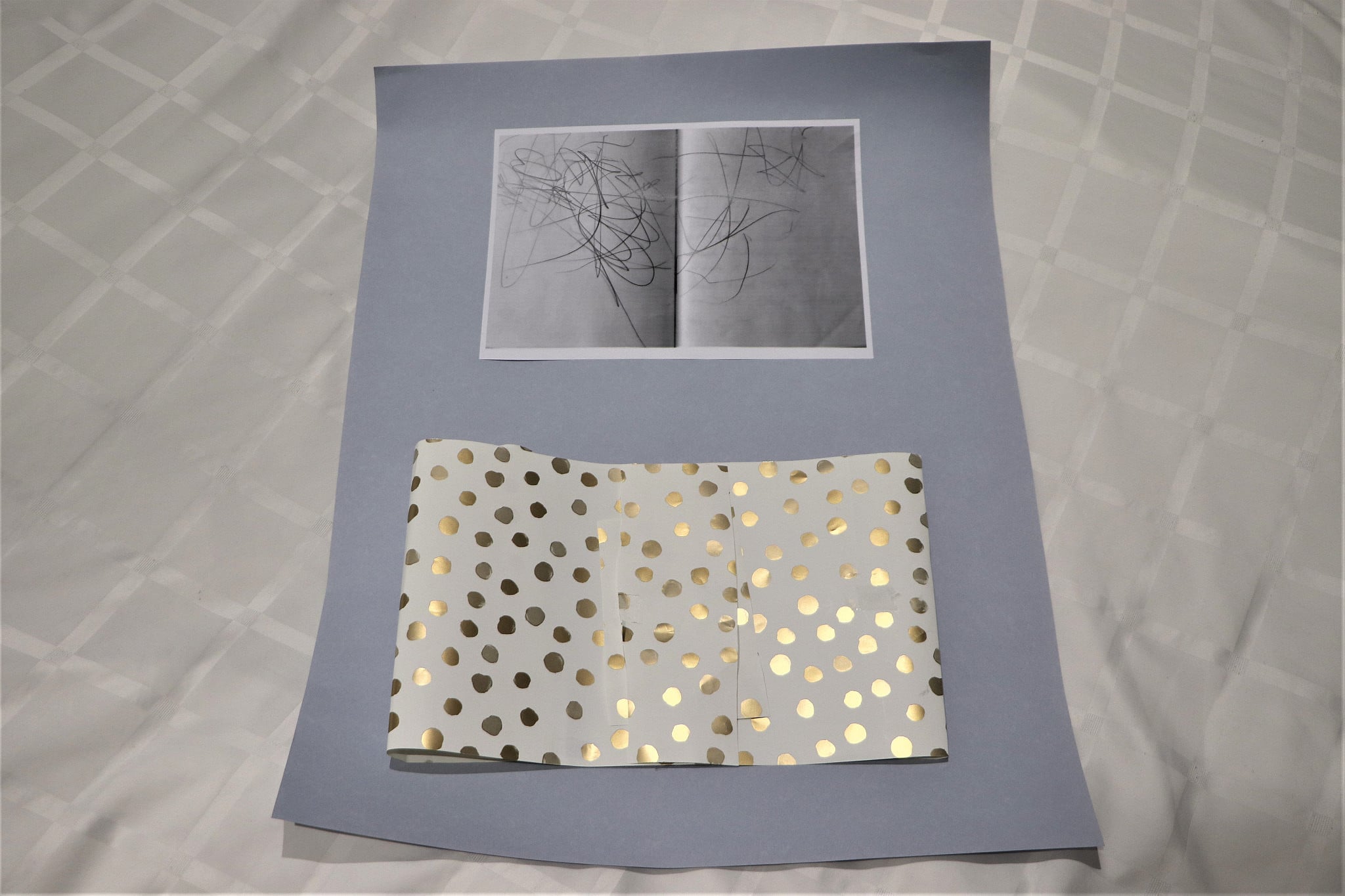
Scribbles by my brother, created at age six (1976) in Ludwigsburg, Germany. I placed gift-wrapping papers with golden dots underneath. Photo credit: Simone Suzanne Kussatz / ARETE.
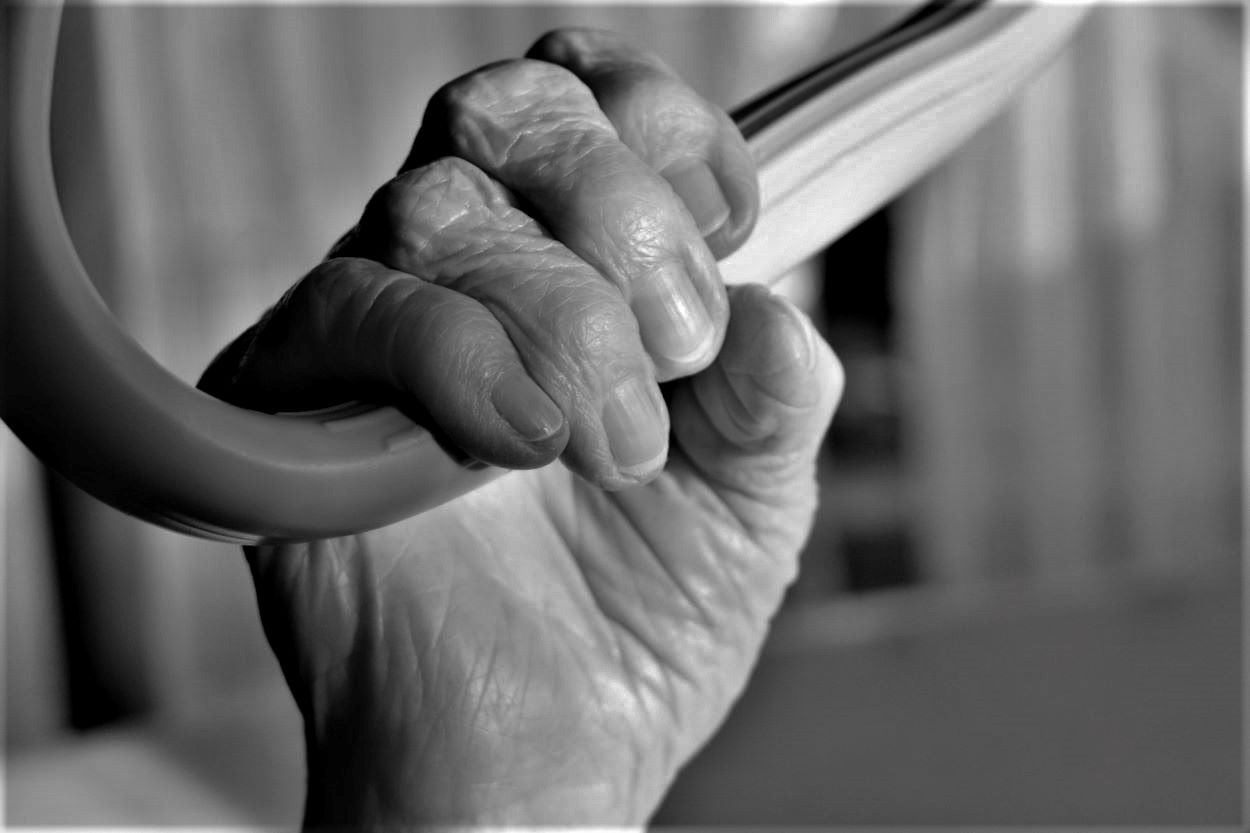
My mother’s hand holding the support handle of the car-bed, photographed in December 2025 in Ludwigsburg, Germany. Photo credit: Simone Suzanne Kussatz / ARETE.
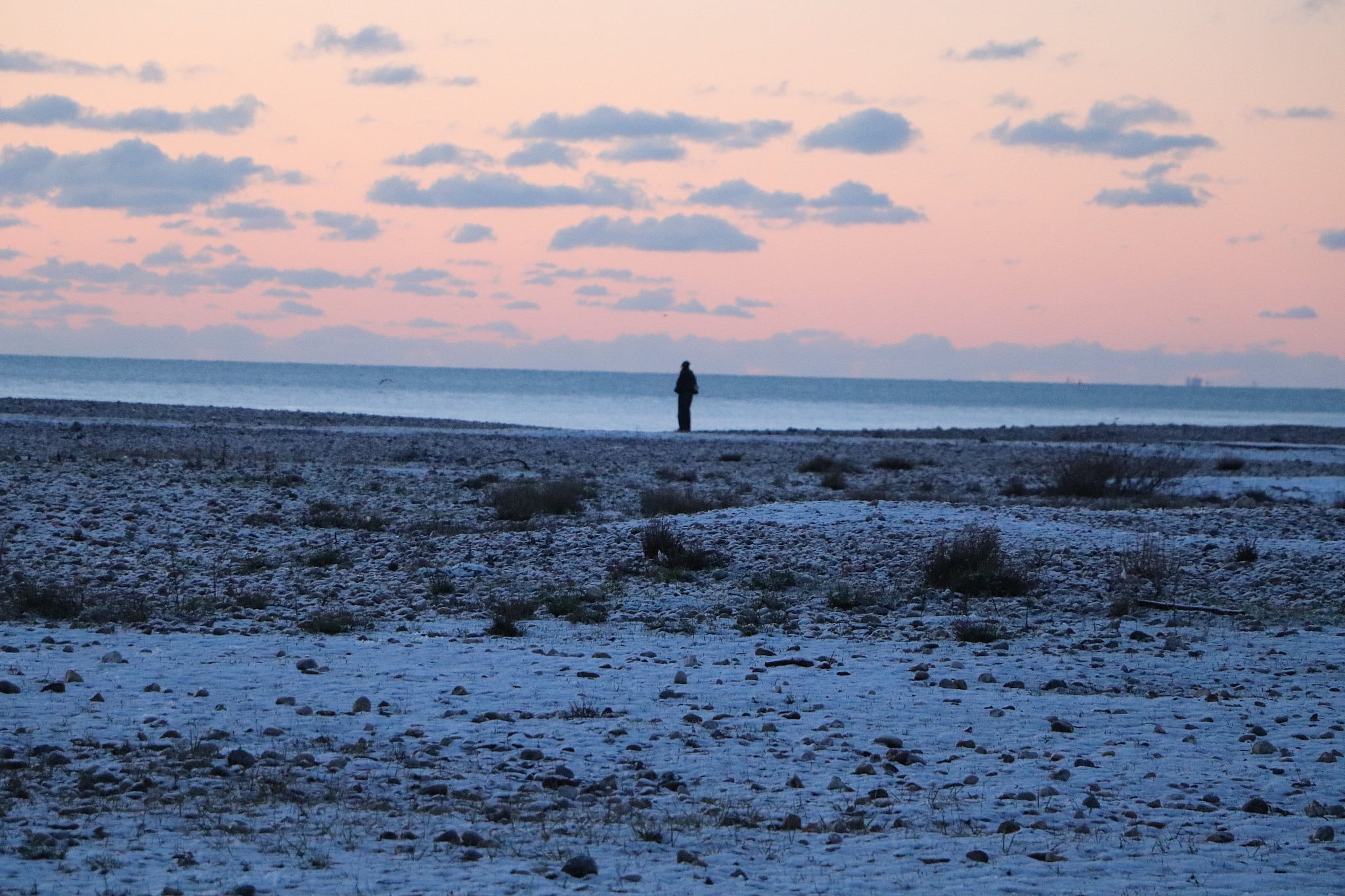
This photograph was taken last week, as snow began to fall in Le Havre, France, January 2026. Photo credit: Simone Suzanne Kussatz / ARETE.
Simone Suzanne Kussatz was born in Germany and has lived in the United States, China, and France. She studied at Santa Monica College, UCLA, and the Free University of Berlin, and completed an internship at the American Academy in Berlin, assisting the Berlin Prize Fellows in 2000. She holds a Master’s degree in American Studies, Journalism, and Psychology, and worked as a freelance art critic in Los Angeles. Her deep interest in World War II history is informed by her family’s experiences of displacement and survival, her father’s escape from Berlin-Köpenick in 1955 before the construction of the Berlin Wall, and her late brother’s intellectual disability and epilepsy, which have given her a unique perspective on life. A former member of the Los Angeles Press Club, she is currently a member of the International Association of Art Critics (AICA).