
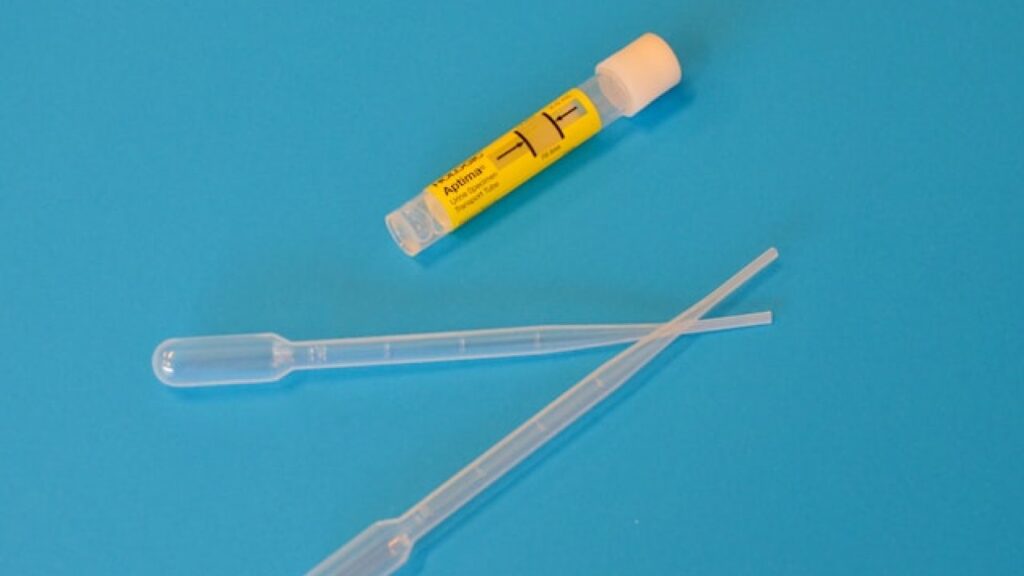
The global medical plastics market is expected to generate US$44.66 billion in revenue by 2032, expanding at a compound annual growth rate of 6.6%, according to a new report from Verified Market Research. The forecast reflects sustained demand for disposable medical products, advances in polymer technology, and continued expansion of healthcare systems worldwide.
Growth is being driven by rising use of single-use medical devices, stricter infection control protocols, and increased healthcare spending in both developed and emerging markets. Medical plastics are widely used in syringes, catheters, IV components, diagnostic equipment, surgical instruments, and pharmaceutical packaging, where sterility, durability, and cost efficiency remain key requirements.
“Medical plastics continue to play a central role in modern healthcare delivery due to their versatility and performance in clinical environments,” the report notes, adding that demographic trends, including aging populations and higher prevalence of chronic diseases, are reinforcing long-term demand.
The market was valued at about US$26.78 billion in 2024, according to Verified Market Research, and is projected to grow steadily through the end of the decade. Polyvinyl chloride, polypropylene, polyethylene, and polycarbonate are among the most commonly used polymers, favored for their mechanical properties and compatibility with medical standards. Manufacturers are also investing in material innovation to improve recyclability and reduce environmental impact without compromising safety.
The expansion of healthcare infrastructure in emerging economies is a significant factor behind the forecast. Governments are increasing investment in hospitals, clinics, and diagnostic facilities, while private providers are scaling services to meet unmet demand, states report. These developments are translating into higher consumption of plastic-based medical products, particularly disposables used in routine and acute care.
At the same time, global supply chain reconfiguration is influencing where medical plastics and related devices are produced. Nearshoring and regionalization strategies are encouraging manufacturers to locate production closer to end markets, particularly in North America. Industry representatives point to Mexico as an increasingly relevant manufacturing hub due to its integration under the USMCA and its established base in medical devices and pharmaceuticals.
Lennon Tan, President. Singapore Manufacturing Federation, calls Mexico a prime destination for nearshoring, citing its proximity to the US market and its role in advanced manufacturing. Medical devices and components that rely heavily on plastic inputs are among the segments benefiting from these shifts, as companies seek to balance cost, resilience, and regulatory compliance.
Mexico’s pharmaceutical and medical device industries provide a structural foundation for participation in the medical plastics value chain. The pharmaceutical sector accounts for roughly 5.1% of national GDP and supports more than 2 million jobs directly and indirectly. Mexico is also a leading exporter of medical devices, with the majority of shipments destined for the United States. Plastics are integral across these industries, from device housings and tubing to sterile packaging.
However, the growth of medical plastics is occurring alongside increased scrutiny of plastic waste and sustainability. Healthcare is a significant generator of plastic waste due to its reliance on single-use products. While these materials are critical for infection prevention and operational efficiency, disposal, and recycling present regulatory and environmental challenges.
In Mexico, industry groups and civil society organizations call for more comprehensive waste management policies that go beyond bans and restrictions. The Organization for the Circular Economy (OFEC) argues that plastics should be treated as inputs within circular production systems rather than as inherently problematic materials. The group notes that while Mexico leads Latin America in PET recycling, with recovery rates above 56%, other plastic streams — including those used in healthcare — remain less integrated into formal recycling systems.
Jorge Chahin, President, OFEC, says that effective solutions require investment in waste separation, collection, and material recovery, supported by data-driven public policy. Research from academic institutions, including UNAM and IPN, has found that integrating plastics into circular models can reduce environmental impact while supporting economic activity.
Globally, the push for sustainability is influencing material development in the medical plastics sector. Manufacturers are exploring bio-based polymers, lightweight designs, and improved recycling technologies. Adoption remains gradual, as medical applications are subject to strict regulatory approval and performance requirements. Cost considerations and supply availability also limit rapid substitution of conventional materials.
Regionally, North America remains the largest medical plastics market, supported by advanced healthcare systems and strong medical device manufacturing. The European Union follows, driven by regulatory harmonization and investment in sustainable materials. Asia-Pacific is expected to record the fastest growth rate, reflecting expanding healthcare access, population growth, and manufacturing capacity.
Verified Market Research says that the medical plastics market’s outlook remains positive despite regulatory and environmental pressures. Demand fundamentals tied to healthcare delivery, demographic change, and technological advancement continue to outweigh constraints, particularly as manufacturers adapt materials and processes to meet evolving standards.
As global healthcare systems expand and modernize, medical plastics are expected to remain a core component of medical technology and infrastructure. The challenge for industry and policymakers will be balancing growth, resilience and sustainability as the market approaches the projected US$44.66 billion milestone by 2032.