
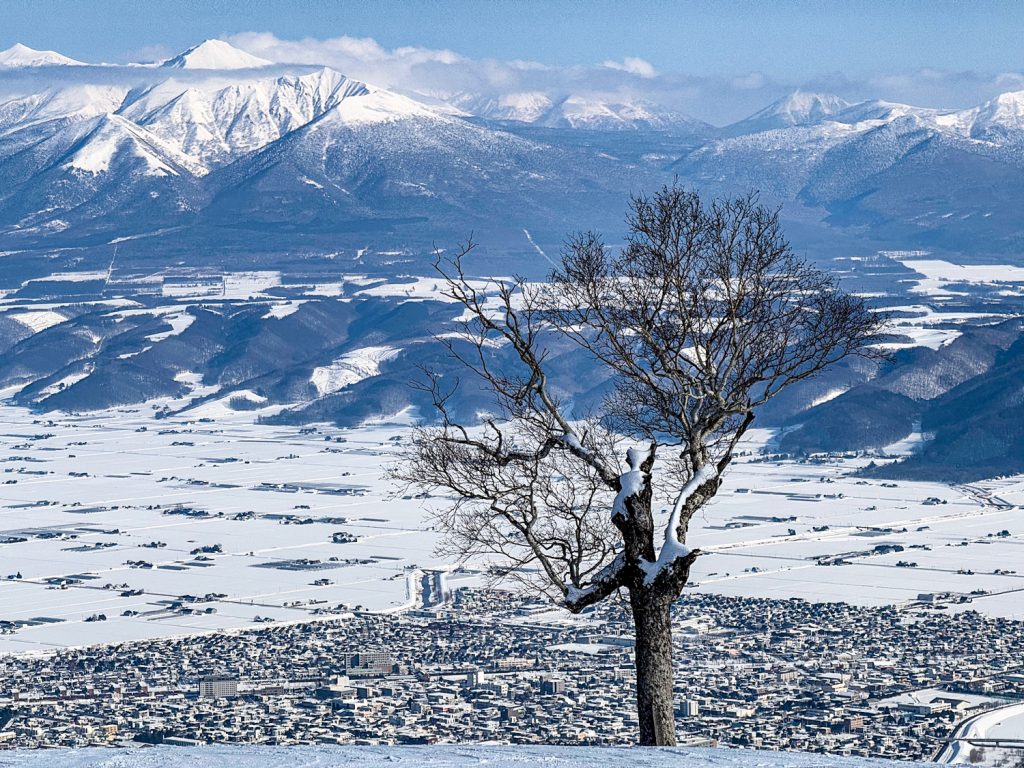
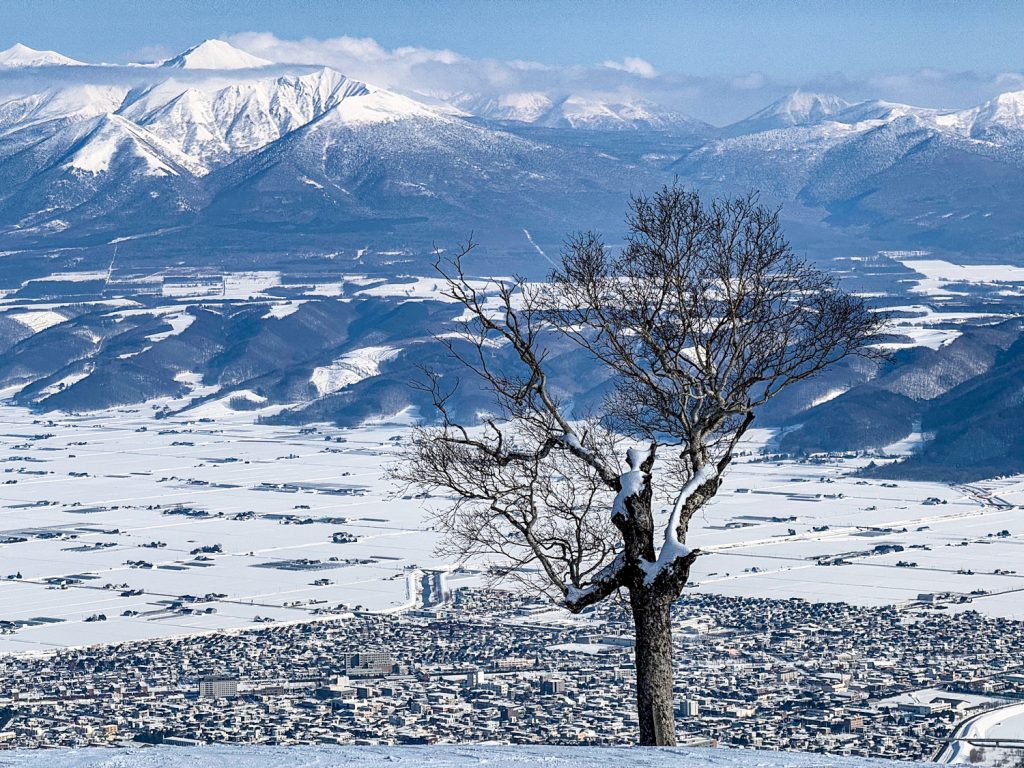
 Japan’s predictable snowfall allows for less dependency on pre-commitment compared to resorts in the U.S., allowing for more low-price options when booking last-minute ski vacations.
Jaime Pirozzi, Local Freshies/Courtesy image
Japan is the opposite of the U.S. in many ways, and not just because the mountains there are seeing above-average snowfall again this winter.
Monday night, I was talking with some friends who, in search of the deep powder we have been missing in Colorado this season, have planned a last-minute ski trip to the Land of the Rising Sun.
Being from a place where the cheapest way to take a ski vacation is to plan far, far in advance, I found their claims of cheap flights and low-cost lift tickets to be hard to believe, considering they just planned this thing last week and they’re leaving next week.
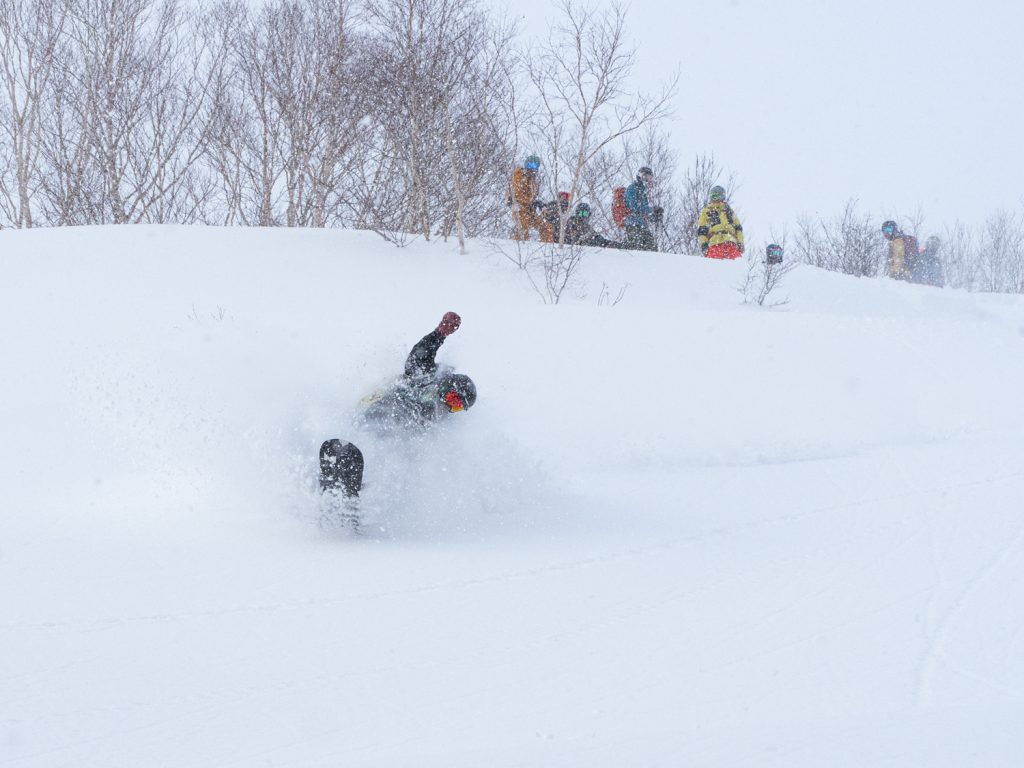 Vail Daily reporter John LaConte snowboards at the Hachimantai ski area in Japan in 2023. Courtesy image/Jaime Pirozzi, Local Freshies
I’ve been to Japan a couple of times in recent years, and I know it can be a much more affordable trip than one might assume, but my trips were planned some six months prior, not mere weeks as my friends have done.
They’re making the long, 14-hour drive to Los Angeles, which is the first way to save money, considering it costs about $100 in gas to get there, and once you’re there you can store your car for $6 per day at the Van Nuys Flyway if you don’t mind shuttling the remaining 24 miles to LAX.

Support Local JournalismDonate
I fact checked my friends’ claim that they found last-minute flights from LA to Tokyo for $260 and was surprised to see that I could book a flight from Jan. 28 to Feb. 6 — often around the best time to find powder in Japan — for $516 round trip on the Zipair website. Zipair is a new low-cost carrier in Japan; now in its sixth season, Zipair considers January and February to be off season for travel and offers last-minute options for cheap this time of year.
Once in Tokyo, you can book a last-minute flight to the Sapporo airport in Hokkaido — the region of Japan known for having light, dry, fluffy powder this time of year — for about $50 on Peach Aviation, which flies within Japan. Other carriers had similar prices, as well.
Last season I opted for a ski pass called the Hokkaido Powder Belt Pass, which gives you five days at either Furano Ski Resort, Hoshino Resorts Tomamu or Kamui Ski Links for about $240 — less than $50 per day. I was surprised to find this pass is still available right now (no cut off date), and suggested it to my friends as that area has been getting blasted with snow. Furano had its best early season in more than a decade; during one amazing period in mid-December the resort recorded 33 inches of new snow in 72 hours.
Using a standard hotel booking site it’s easy to find rooms in the cities of Furano or Asahikawa for $100 to $120 per night, but if there’s a time to splurge a bit on the trip this might be it. Last year I stayed one night at the Hoshino Resorts Tomamu Tower and was amazed by the village there that had been built entirely of ice — ice shops, ice bar, ice restaurant, ice museum, even an ice post office where workers take letters from behind an ice counter. The village also has an indoor beach with a massive wave pool, and a Tadao Ando-designed church which is an architectural wonder.
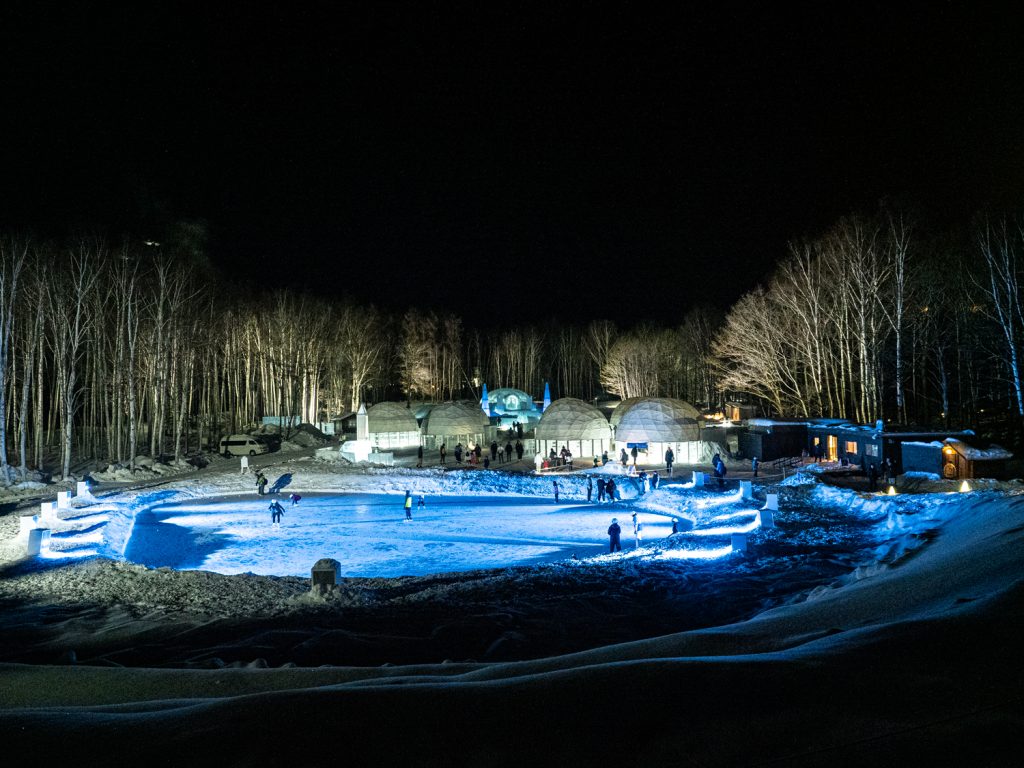 The ice village at the Hoshino Resorts Tomamu ski area. Courtesy image/Jaime Pirozzi, Local Freshies
I also stayed at the New Prince Hotel which was slopeside in Furano, made extra convenient by the free shuttle bus from Sapporo, where I flew in. Like the Hoshino Resorts Tomamu Tower, the New Prince Hotel also had a complete winter village experience to take in, with snow tubing, a snow cafe and dog sledding.
My final nights were spent downtown in the city of Asahikawa in Hokkaido, at another hotel from Hoshino Resorts which caters to skiers and snowboarders. This hotel, called OMO7, was located in the city center near a zoo that’s known for its “penguin walk,” where guests get to go for a stroll with king penguins as they get their daily exercise. OMO7 had a free wax bar where you could wax your skis or snowboard in the hotel’s lobby, and also had free shuttle service to all the nearby resorts on the Hokkaido Powder Pass.
 The Hoshino Resorts OMO7 hotel caters to skiers and snowboarders despite its downtown location in the city of Asahikawa in Japan’s Hokkaido prefecture.Courtesy image/Jaime Pirozzi, Local Freshies
The Hokkaido Powder Belt Pass is meant to show off the inland area of Hokkaido known for the low-moisture snow that comes to the area from late November to early March each year, in relatively predictable fashion.
While the predictable snowfall is a luxury in itself, it also gives Japan visitors the luxury of being able to do something that has been shunned here in the U.S. — plan a last-minute ski vacation. It’s no wonder why, last season, the country saw a 33% jump in winter tourism from pre-pandemic levels.
The idea of a group of four getting from Colorado to Japan and back for five days of snowboarding at about $1,000 per person — including flights, lift tickets and lodging — is surprising enough, but to hear that they just planned this trip last week is what truly sets it apart from the modern American ski experience.
John LaConte is a reporter at the Vail Daily. Email him at jlaconte@vaildaily.com