
Kosovo’s Transmission System and Market Operator, KOSTT, has announced that the country is facing problems with electricity supply.
In a statement issued on January 20, KOSTT said it is encountering difficulties in balancing the energy system due to what it described as large deviations between nominated energy and actual demand. Nominated energy refers to the forecast made by the Electricity Supply Operator, KESCO, regarding how much electricity consumers will need.
“Today, KESCO nominated around 26.17 percent less energy than actual demand, pushing the KOSTT control area into average imbalances of about 211 MW per hour, while in some hours these imbalances exceed 260 MW per hour. This situation is unacceptable and jeopardizes the stability of the power system,” the statement said.
KOSTT called for nominations to “accurately reflect real demand,” urging immediate corrections in order to preserve the security of the energy system.
“In this situation, KOSTT has been forced to request the application of load restrictions as a last-resort measure to ensure safe operation until the situation improves,” the statement added.
Citizens in Kosovo have faced electricity shortages in the past as well, with the most recent case occurring in December 2025, when authorities called for electricity savings during peak hours.
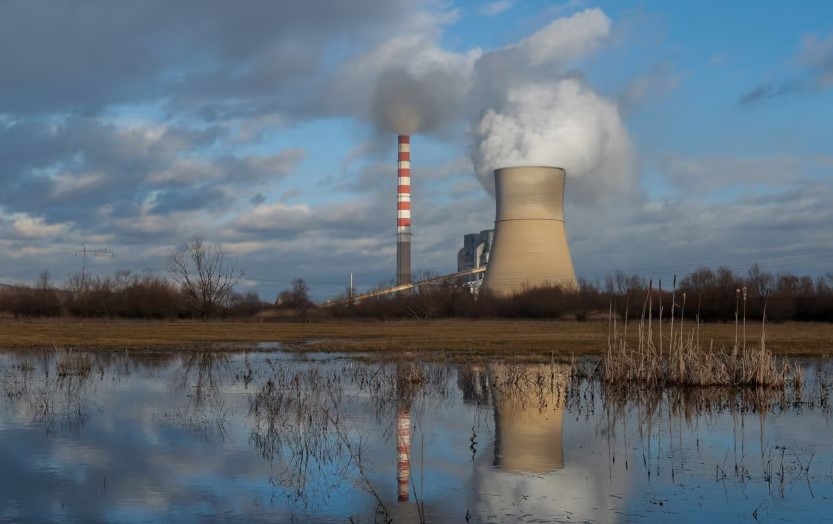
Kosovo produces most of its electricity through two aging thermal power plants, Kosova A and Kosova B. Through these two coal-fired plants, Kosovo generates about 94 percent of its electricity, or roughly 800 megawatts per hour, while the remaining share comes from renewable sources, namely hydropower plants, wind turbines, and solar panels.
Kosovo’s acting government has said that in 2025 alone it allocated millions of euros for their rehabilitation. However, former Kosovo energy minister Ethem Çeku told Radio Free Europe/Radio Liberty in late December 2025 that the core of the energy crisis lies in the lack of capital investments in the energy sector and the inability to attract major investors.
He described investments in the sector as “patchwork,” adding that state funds are mainly spent on electricity purchases, which he said is a misguided policy.
Data from Kosovo Customs show that Kosovo imported electricity worth about €248 million during the period January–November 2025, while exporting electricity worth around €48 million.
Kosovo’s imports were mainly secured from North Macedonia, worth €114 million, and Albania, worth €94 million, while smaller amounts, valued at €3–4 million, were imported from Slovenia, Serbia, and Denmark.