
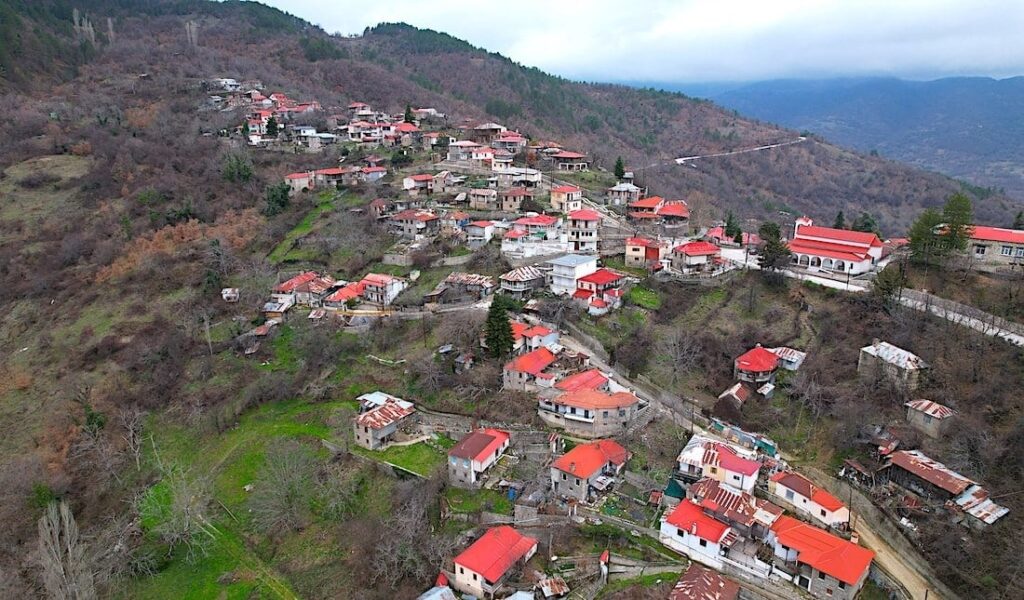
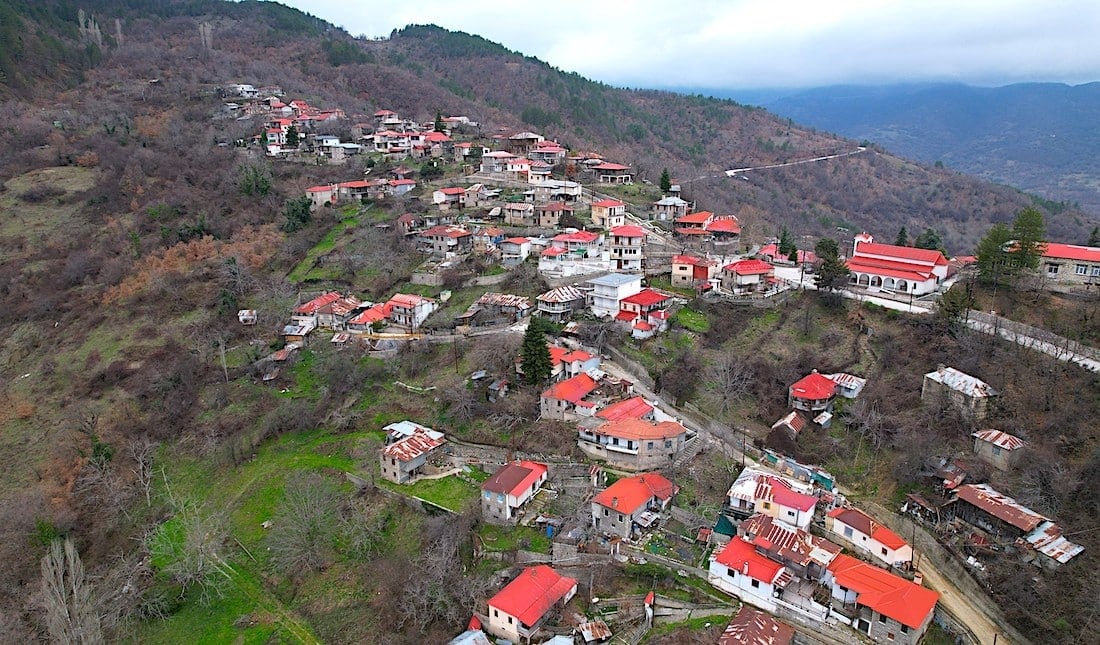
Users will be able to access localized data—per region and municipality—that previously required fragmented searches or personal contacts. Credit: Greek Reporter
Greece is developing a new digital platform designed for those seriously considering relocating to the country’s regional districts. Serving as a central information hub, the platform aims to provide clarity before citizens make a life-changing move.
Users will be able to access localized data—per region and municipality—that previously required fragmented searches or personal contacts. This includes key infrastructure, real-time labor market trends, high-demand professions, and specific job openings.
Furthermore, the platform will offer a transparent view of the healthcare landscape, detailing primary care facilities, mobile unit coverage, and hospital accessibility. The goal is to ensure relocation is based on hard data regarding employment and daily services rather than vague promises.
The initiative was presented by Vice President Kostis Hatzidakis, Minister of State Akis Skertsos, and Deputy Minister Thanasis Kontogeorgis as part of the National Strategy for Regional Development 2035. This strategy works in tandem with 50 Local Development Plans—set for completion by 2026—which citizens can track via erga.gov.gr.
Key support measures include a demographic subsidy of up to €10,000 for permanent relocation to shrinking areas, currently being piloted in Evros.
Complementary incentives include ENFIA property tax exemptions for over 12,000 small communities, island VAT reductions, home renovation grants for mountainous areas, and housing subsidies for doctors and teachers serving outside major urban centers.
Rural Greece is affected by an aging demographic
Greece has experienced a steady decline in its rural population for decades. Data shows consistent annual declines in rural population figures, with rural areas disproportionately affected by an aging demographic. While the overall Greek population is aging, the growth of the elderly population is most rapid in predominantly rural regions. This means fewer young people are entering the workforce and more people are in retirement.
The population decline has led to the closure of essential services such as schools, pharmacies, and traditional cafes, which were once the social and economic hubs of these communities. This further accelerates the abandonment of villages as they become less livable.