
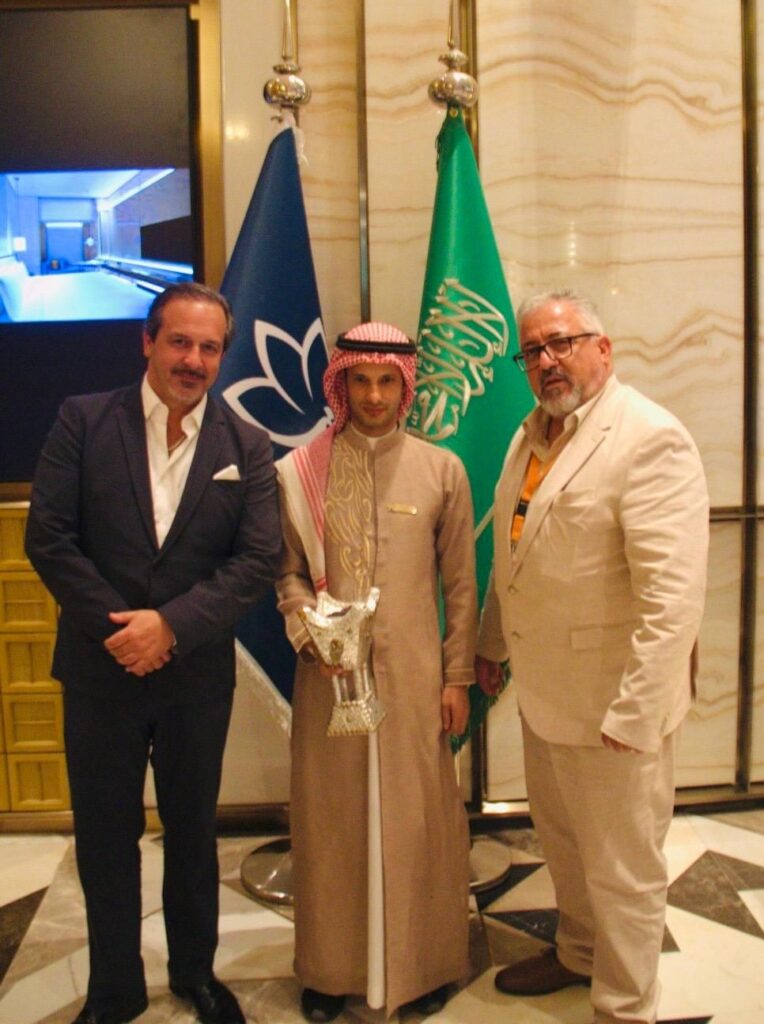
I have closely followed this process since the first steps, both in Portugal and during the visit we made to Riyadh in June, and I wanted to understand to what extent this third visit of the Saudi delegation to our country represents just another institutional moment or, on the contrary, a real turning point.
Abilio’s initial answer is clear and sets the tone for the entire interview. This is no longer a visit of intention, but of continuity. When a delegation returns with more participants, more sectors involved, and denser agendas, it means that the work done previously has built trust and opened doors. According to him, the effort of the last two years is now beginning to be visible because the conversations are no longer exploring and have started to have substance, maturity, and concrete objectives.
I also questioned him about the initial resistance, especially on the Portuguese side. Abílio does not shy away from the topic. There was hesitation and misunderstanding, not because of rejection, but because of ignorance. For many Portuguese entrepreneurs, Saudi Arabia was seen as a distant and complex market, when in reality it was going through one of the fastest economic transformations in the world. What has changed is the consistency. With results and regular presence, distrust gave way to curiosity and, in many cases, ambition.
One of the central questions of the interview was precisely about the true value of these visits, beyond the communiqués and memos. The answer is perhaps one of the most important for readers. The value lies in what is not officially communicated: building trust, access to the right decision-makers and continuing relationships. Memos are important, but they do not create investment by themselves. What creates investment is the combination of people, timing, real opportunities, and on-the-ground monitoring.
When talking about Vision 2030, Abílio underlines something that I also personally felt in Riyadh: speed and ambition. It is not a political slogan, but a program of national transformation with execution, goals, and resources. The decision-making and implementation capacity is impressive, but also the human dimension of a young country, open to the world and focused on diversifying its economy beyond oil.
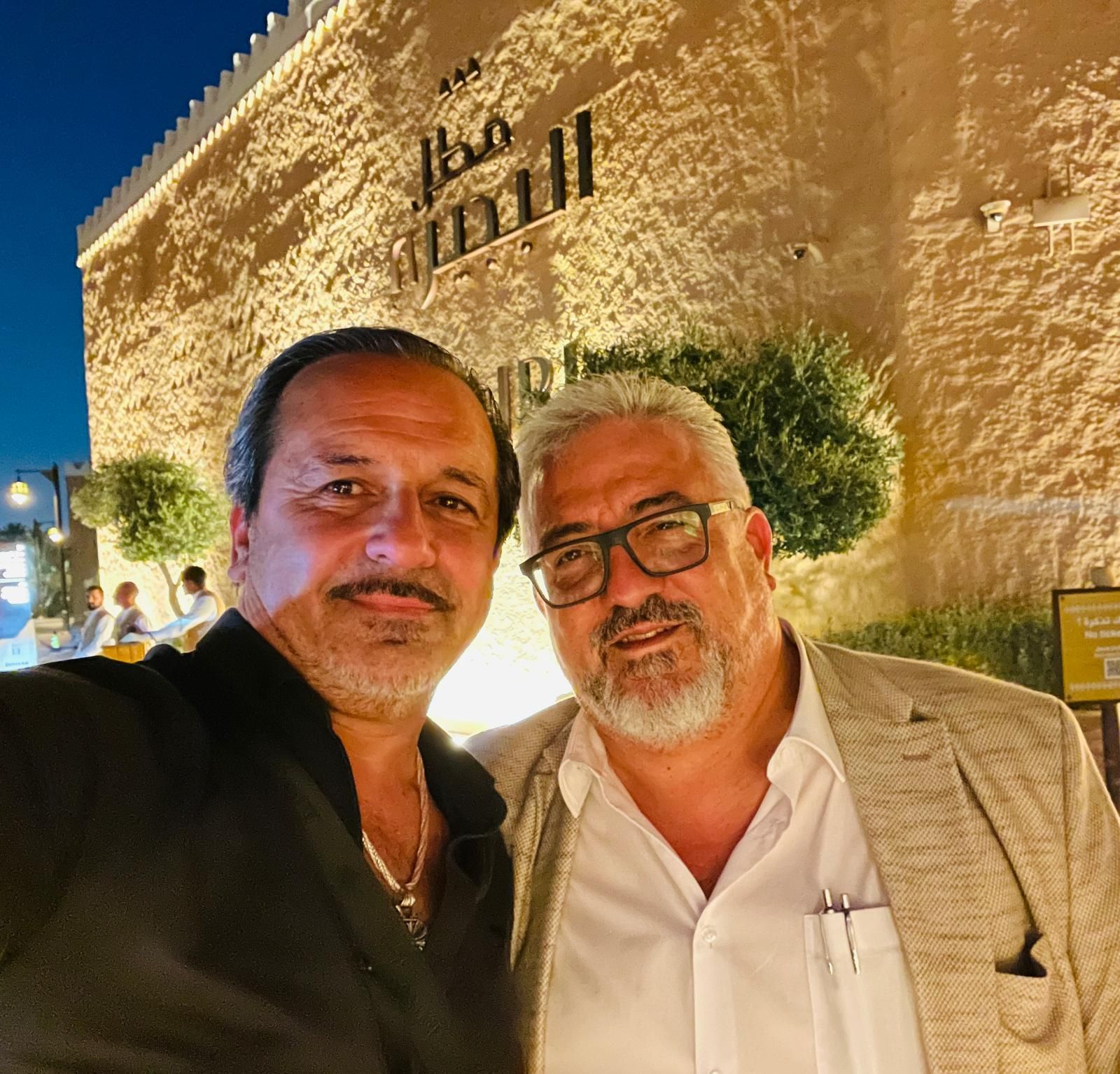 Credits: Supplied Image; Author: Paulo Lopes;
I insisted on the human dimension of the business and Abílio was categorical. In Saudi Arabia, as in much of the Middle East, the personal relationship is decisive. Without trust and credibility, processes do not move forward. With them, everything accelerates. It is this human base that turns meetings into long-term commitments.
I also asked him where he feels that Portuguese entrepreneurs underestimate their own value. The answer is straightforward: Portugal underestimates its ability to deliver quality, engineering, rigour, and reliability. Sectors such as specialised construction, infrastructure, energy, technology, hospitality, and technical services are areas where Portugal has clear advantages. In addition, there is a decisive quality: agility and adaptability.
The feedback coming from the Saudi side, according to Abílio, has been very positive. Portugal is seen as a stable country, with talent and serious partners. This perception paves the way for more structured projects, including urban development, tourism and real estate, areas where long-term logic and quality of execution are fundamental.
When I asked him about frustrations, he did not hide them. There was wear and tear and difficult moments, but today he sees them as a necessary part of the process. Building a new bridge requires time and resilience. This bridge, between Portugal and Saudi Arabia, is now more solid because it has been tested.
The interview ends with a simple but powerful idea. Saudi Arabia is worth looking at as a strategic partner because it is one of the global hubs of economic transformation and investment. For Portugal, this relationship is not just a commercial opportunity. It is a long-term strategic opportunity, at a time when both countries are redesigning their future.