
Published on
January 22, 2026
In 2025, Azerbaijan joins Belgium, Switzerland, Ireland, Luxembourg, Finland, and others in facing a significant decline in tourism revenue across Europe. Despite being an emerging destination with its rich cultural heritage, historical landmarks, and natural beauty, Azerbaijan experienced a 1.7% decrease in tourism receipts in the first three quarters of 2025. This decline reflects broader challenges affecting many European countries. Belgium, Switzerland, Ireland, Luxembourg, and Finland also saw drops in their tourism revenue, impacted by geopolitical tensions, economic uncertainty, rising costs, and shifting travel preferences. As global tourism dynamics evolve, these nations are grappling with a complex set of factors that have led to reduced visitor spending, forcing a reevaluation of strategies to maintain their competitiveness as top travel destinations in Europe.
Azerbaijan: A 1.7% Decline in Tourism Receipts Amidst Geopolitical Pressures
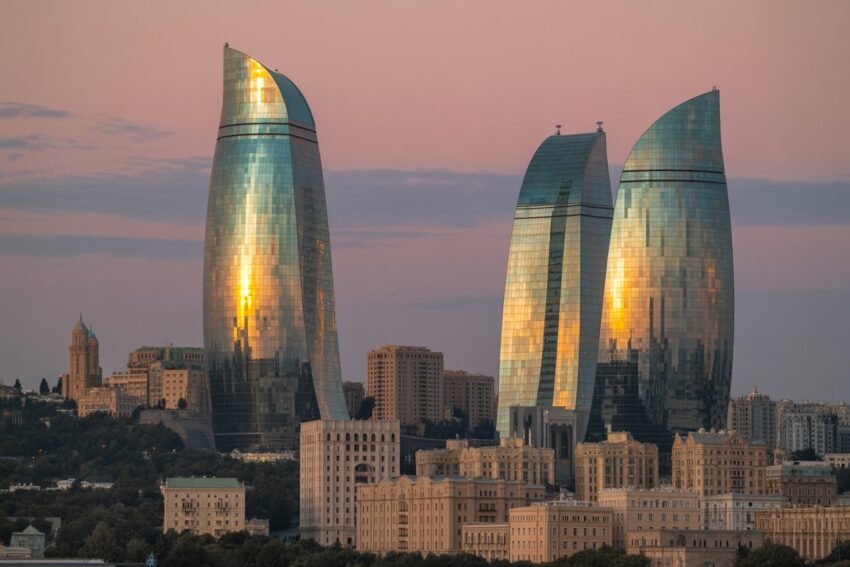
Azerbaijan, located at the crossroads of Europe and Asia, witnessed a 1.7% decline in tourism receipts in the first three quarters of 2025, as reported by the UN Tourism. While Azerbaijan has been rising as an emerging tourist destination, this decline is a concern for the country’s growing tourism sector. With its unique blend of historical sites, modern architecture, and natural beauty, Azerbaijan had seen a steady increase in international tourism in recent years. Baku, the capital, has particularly become an attractive city for both cultural tourism and business travellers.
However, several factors contributed to this decline. Geopolitical tensions in the region, particularly ongoing conflicts and uncertainties surrounding neighbouring countries, have undoubtedly impacted Azerbaijan’s tourism industry. The global economic slowdown, coupled with rising travel costs, has made potential tourists more cautious, particularly in regions with geopolitical instability. Additionally, the shift towards more affordable destinations and changing travel preferences might have steered travellers away from Azerbaijan, even though the country remains a unique and alluring destination for those willing to explore the Caucasus region.
Belgium: A 5.6% Dip in Tourism Receipts Amidst Global Challenges
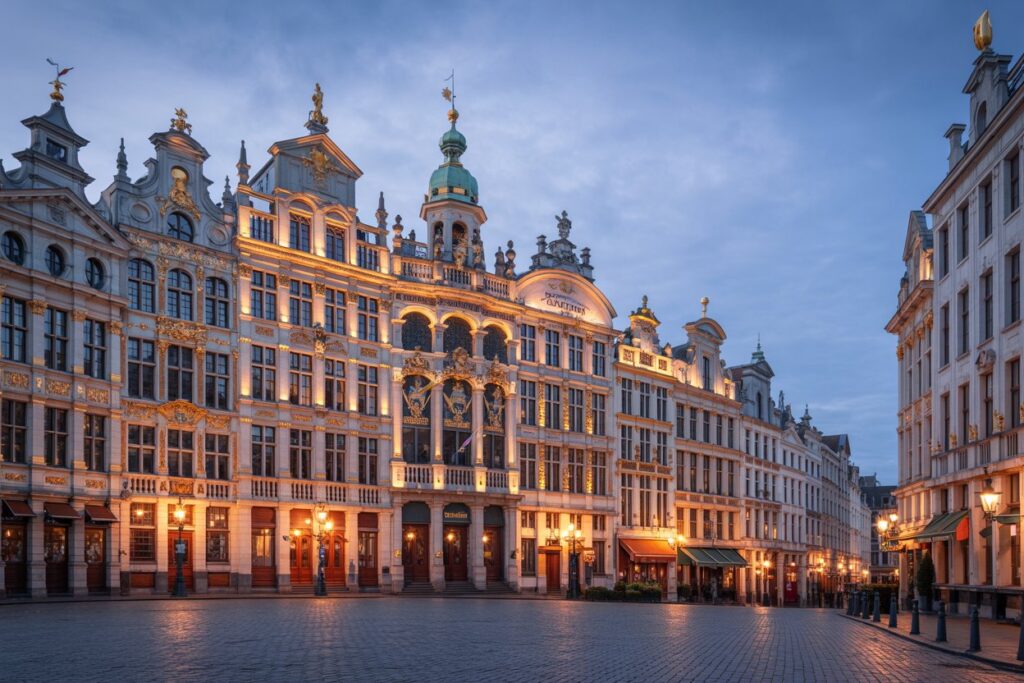
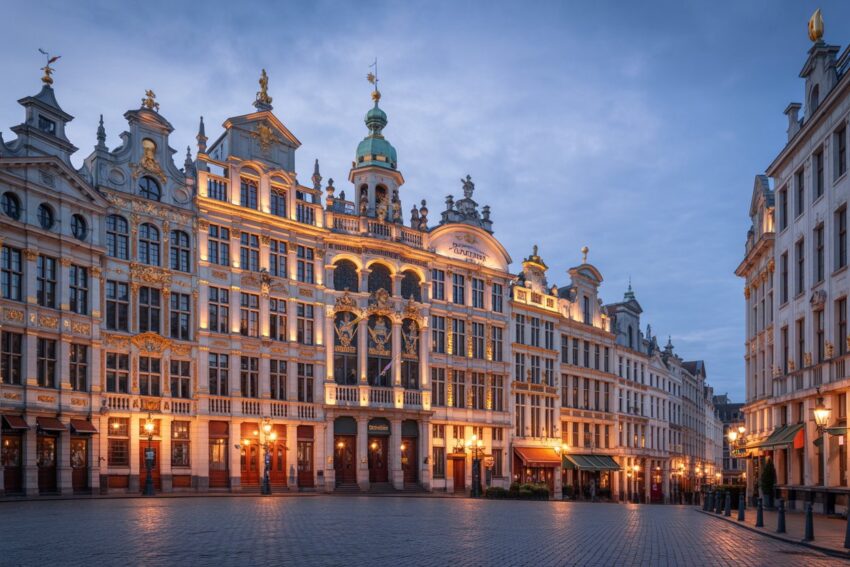
Belgium, a country renowned for its rich history, stunning architecture, and cultural offerings, saw a 5.6% decline in tourism receipts up until the third quarter of 2025, according to the United Nations Tourism report. This drop marks a setback for a sector that is usually a significant contributor to Belgium’s economy, especially in major cities like Brussels, Antwerp, and Bruges. The tourism industry has historically benefitted from the country’s attractions, including its famous medieval towns, art galleries, and beer culture.
Several factors are likely behind this decline. The ongoing global economic uncertainty, rising inflation, and shifting travel behaviours have caused many potential visitors to reconsider their travel plans, especially for short-haul destinations like Belgium. Additionally, Belgium’s reliance on European visitors, particularly from neighbouring countries, may have led to more moderate tourism growth as other regions in Europe also face financial pressures. Moreover, the country’s relatively high living costs could deter budget-conscious travellers. The decline in tourism receipts serves as a reminder of the challenges Belgium faces in maintaining its position as a top European destination in a rapidly changing travel landscape.
Switzerland: A Marginal 0.1% Decline in Tourism Receipts
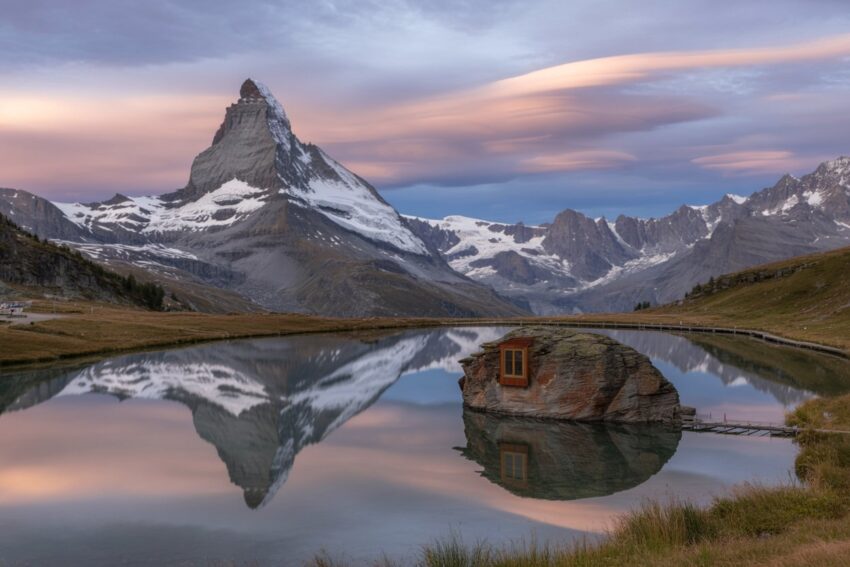
Switzerland, famous for its breathtaking landscapes, luxury resorts, and exceptional hospitality, experienced a marginal decline of 0.1% in tourism receipts through Q3 of 2025. While this drop is relatively small compared to other European nations, it nonetheless signals challenges in the Swiss tourism sector, which has traditionally been one of the most robust in Europe. Switzerland’s status as a prime destination for winter sports, luxury travel, and scenic exploration continues to attract millions of visitors annually, particularly to cities like Zurich, Geneva, and the Swiss Alps.
The slight decline in receipts could be due to a combination of factors. Rising costs associated with travel, including inflation and higher airfares, may have deterred potential visitors, especially from more price-sensitive markets. Furthermore, global uncertainty and shifting travel preferences towards more affordable or less crowded destinations may have influenced tourism choices. Despite this marginal decline, Switzerland remains a popular destination for high-end tourism, and with continued investment in promoting its natural beauty and luxury offerings, the country is well-positioned to bounce back from these small setbacks.
Ireland: A Struggling 11.5% Decline in Tourism Receipts

Ireland, with its rolling green hills, ancient castles, and rich cultural heritage, saw an alarming 11.5% decline in tourism receipts through Q3 of 2025, as reported by the UN Tourism. This represents a significant downturn for a nation that traditionally draws millions of visitors each year, especially from the United States, the UK, and Europe. Ireland’s tourism industry has been a major economic pillar, with Dublin, Galway, and the Wild Atlantic Way being some of the country’s most iconic destinations.
Several factors have likely contributed to this steep decline. Economic challenges, including inflation and increased travel costs, have led to reduced consumer spending on holidays, particularly for long-haul destinations like Ireland. Additionally, the global travel landscape has changed dramatically, with more travellers opting for closer and cheaper destinations due to budget constraints. Ireland’s reliance on international visitors may have left it vulnerable to global economic shifts. Furthermore, the effects of the COVID-19 pandemic linger, with some international markets yet to fully recover, thus slowing down the influx of overseas tourists. Ireland will need to recalibrate its tourism strategy to combat this decline and restore its appeal as a top European destination.
Luxembourg: A 5.6% Drop in Tourism Receipts Reflects Regional Challenges
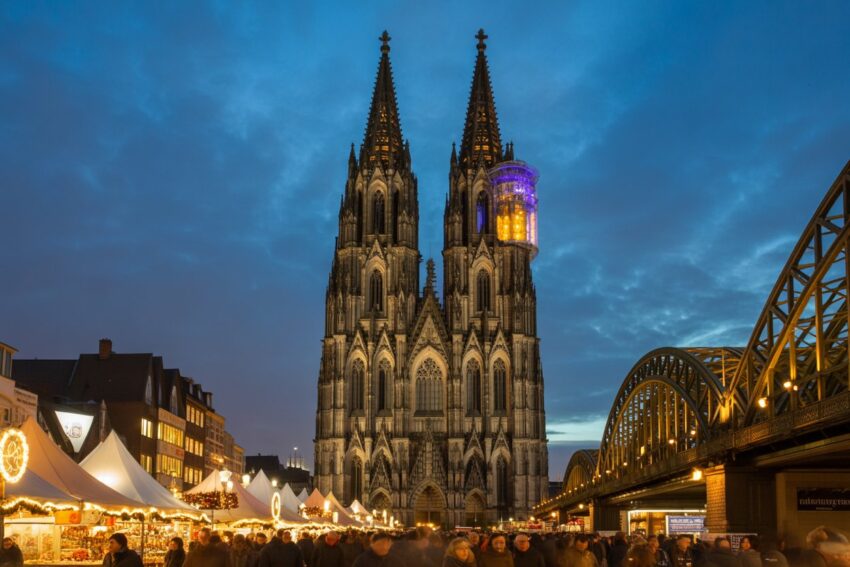
Luxembourg, the small yet prosperous European country, experienced a 5.6% drop in tourism receipts through the third quarter of 2025, according to the UN Tourism report. Known for its financial sector, picturesque towns, and proximity to France, Belgium, and Germany, Luxembourg has traditionally been a convenient destination for European travellers. The country’s status as a global financial hub also attracted business tourism, a vital aspect of its economy.
The decline in tourism receipts can be attributed to several factors. Luxembourg’s relatively high cost of living may deter budget-conscious travellers, especially as other destinations offer similar experiences at more affordable prices. Additionally, Luxembourg’s reliance on business tourism may have been affected by the global slowdown in corporate travel and remote working trends, which have led to fewer business trips. Another factor could be the global shift towards alternative travel experiences, such as eco-tourism or remote destinations, which have become increasingly popular. Luxembourg’s tourism strategy may need to evolve to attract a broader range of visitors and adapt to changing travel habits.
Finland: A 3.6% Dip in Tourism Receipts Reflects Changing Travel Dynamics
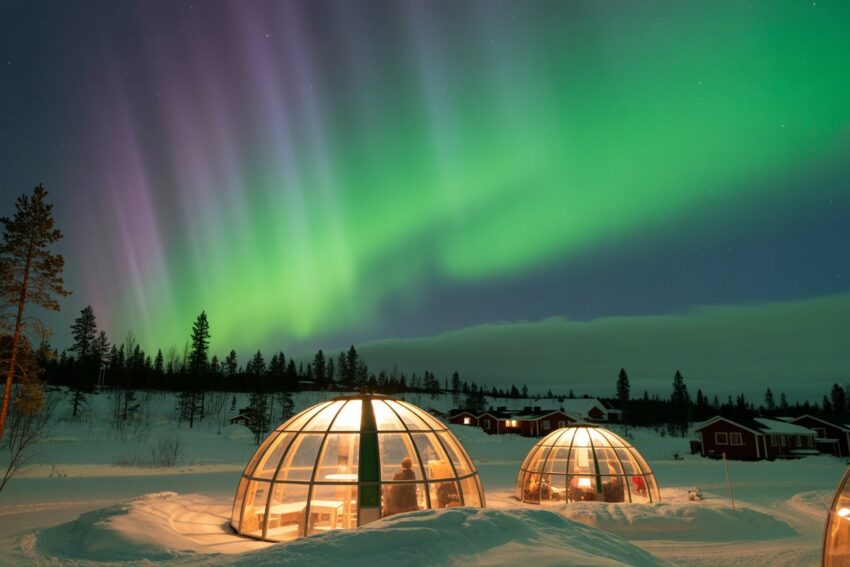
Finland, a land of majestic forests, the Northern Lights, and vibrant cultural experiences, saw a 3.6% decline in tourism receipts through the first three quarters of 2025, as noted by UN Tourism. Finland’s tourism industry has traditionally relied on its winter sports, unique cultural offerings, and its appeal as a peaceful, off-the-beaten-path destination. Cities like Helsinki and Lapland draw both adventure-seekers and those looking for a tranquil escape.
The decline in tourism receipts can be attributed to a few key factors. Finland’s position as a niche destination means it can be more vulnerable to global trends, including a shift in travel preferences and increased competition from neighbouring countries. Rising travel costs and inflation have also made Finland a less attractive option for budget-conscious travellers. Additionally, Finland’s dependence on long-haul tourists, particularly from Asia and North America, may have impacted its receipts as global travel behaviours continue to evolve. Finland will need to adapt to these changing dynamics by diversifying its offerings and focusing on enhancing its appeal to a broader audience.
European Tourism Growth: A Resilient Recovery
Despite challenges in certain countries, European tourism continues to show signs of growth and resilience. The continent remains one of the world’s top destinations for travelers, attracting millions annually with its rich cultural heritage, diverse landscapes, and world-class attractions. Key destinations, including France, Spain, Italy, and Germany, continue to see robust visitor numbers, with international travel steadily increasing as global conditions improve. Moreover, regions like Eastern Europe and the Balkans have emerged as popular alternatives, offering affordable and unique travel experiences. With continued investment in infrastructure, sustainable tourism practices, and enhanced visitor experiences, Europe is poised for sustained growth in the tourism sector.
In 2025, Azerbaijan joins Belgium, Switzerland, Ireland, Luxembourg, Finland, and others in facing a significant decline in tourism revenue across Europe. Factors like geopolitical tensions, economic challenges, and rising costs have impacted tourism across these nations.
Conclusion
Azerbaijan joins Belgium, Switzerland, Ireland, Luxembourg, Finland, and others in facing a significant decline in tourism revenue across Europe in 2025. This downturn can be attributed to a combination of geopolitical pressures, economic uncertainty, and rising travel costs, which have affected tourism in these countries. As these nations navigate these challenges, they must adapt to shifting travel trends and economic conditions to maintain their positions as desirable destinations. The tourism industry in these countries will need to innovate and refine their strategies to recover and sustain long-term growth.
