
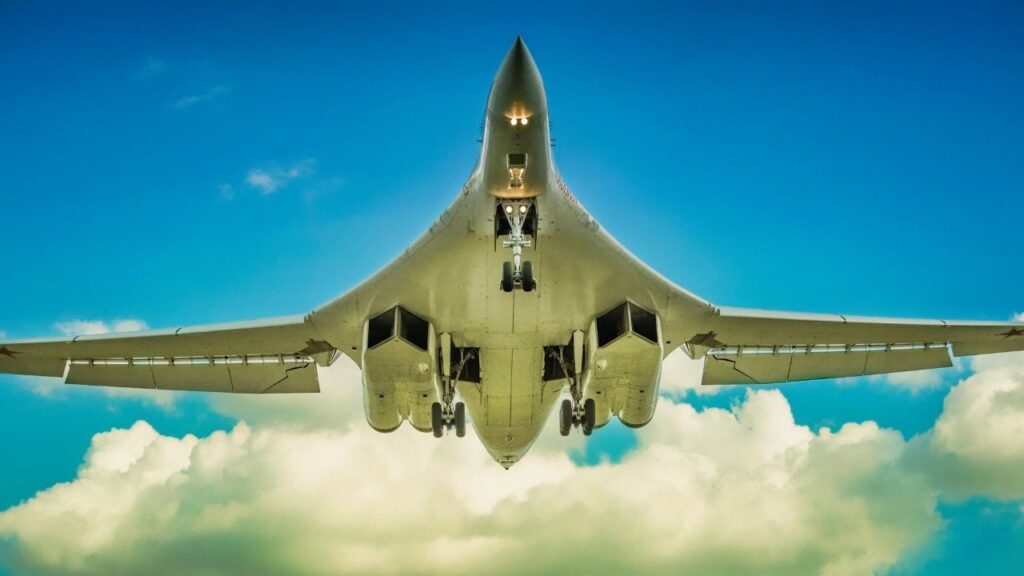
A long report in the Washington Post this week lays bare a couple of popular misconceptions about the ongoing war by Russia against its much-smaller, but far more resilient neighbor, Ukraine. As the Post’s Davud Ignatius writes, Russian President and former lacklustre KGB Lt. Col. Vladimir Putin believes that “by pounding Ukraine’s sources of power and heat, he hopes to freeze the country into submission. President Donald Trump sometimes talks as if he agrees with Putin that Russian victory in this bloodbath is inevitable—and that Kyiv must give up territory in a peace deal.”
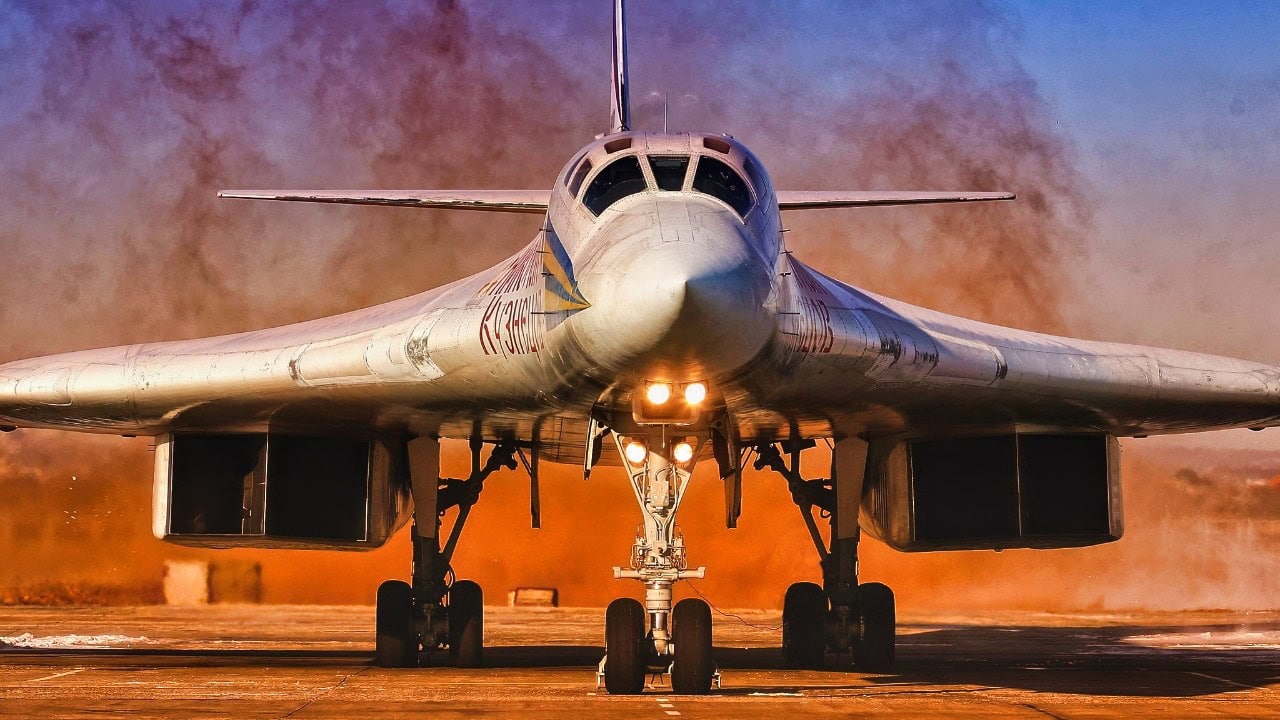
Tu-160 Bomber from Russia. Image Credit: Creative Commons.
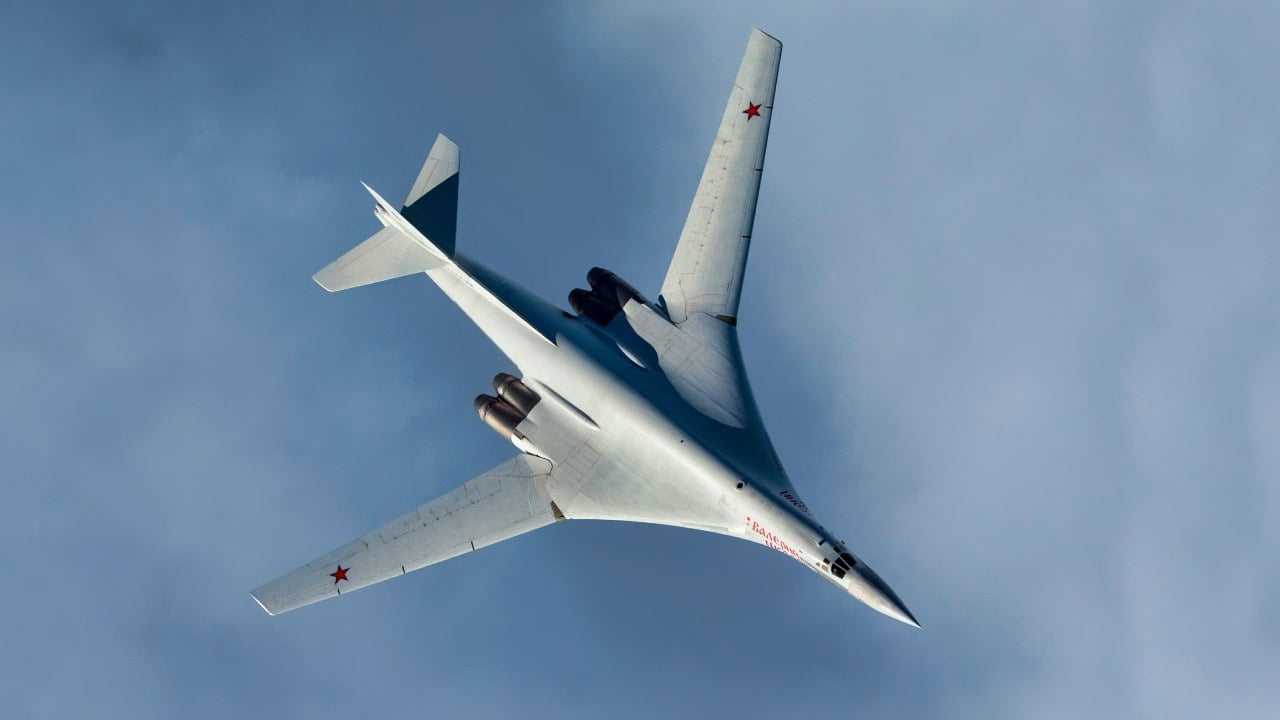
Tu-160. Image Credit: Creative Commons.
That’s the view of the really “smart people” you talk to in Washington—particularly the ones who have never actually been to Ukraine. They will tell you this is what their sage, sober, and judicious wisdom tells them will be the final disposition of this war.
According to what people who are aware of what is really happening in this war, including Ignatius now, all who believe in this very unhappy outcome are very wrong. Both the Russian and American presidents also belong in this category.
Another popular view is that the Russians can keep bombarding Ukrainian cities and will always be able to “flood the zone” and overpower Ukraine’s air defense forces.
According to interviews with the new Ukraine Defense Minister Mykhailo Fedorov and other Ukrainian officials that Ignatius described as “convincing,” Ukraine will soon deploy a new generation of domestically produced air-defense interceptors. These air defense weapons are affordable and backed by a robust database that extensively uses Artificial Intelligence (AI).
More importantly, Ukraine’s defense community makes it very clear that these new weapons could allow their country to fight on indefinitely, as long as Russia cannot prosecute the war against them.
A New Dynamic in Air Defense Costs
“It’s not about us winning, but about us becoming unconquerable,” Andrii Hrytseniuk, the chief executive of Brave1, told Ignatius. This company is becoming one of a growing number of new-age technology incubator firms that are responsible for the country’s rapid innovation on the battlefield.
“The war stops when the enemy realizes that its political goals cannot be achieved,” he said to the US-based Washington, DC daily. These words were spoken almost two decades ago by a Ukrainian colleague who was an executive at an air defense company in Kyiv.
“Companies like ours that specialize in this technology and have a small number of skilled personnel – and are also private companies – this is the future of Ukraine’s defense sector.”
He went on to explain that there are many large defense enterprises in Ukraine, “but they are state-owned, and they are essentially unmanageable,” he said. “You can order modules, major building blocks of weapon systems, from them to use as production inputs, but they are not capable of creating new design concepts or modernizing older-model platforms.
“What we do is develop new methods and technologies in the air defence sector, and that is why we are the future of Ukraine’s defense sector,” he said.
A 35-Fold Increase
This Ukrainian colleague was more insightful than he knew at the time.
In 2025, small Ukrainian firms specializing in cutting-edge technologies are driving the country’s industrial growth. And in recent years, that growth has been dramatic.
Ukraine’s defense manufacturing capacity was only $1 billion in 2022, before the Russian invasion. By the end of 2025, that total had surged 35-fold to $35 billion. The drone industry at the time of Russia’s 2022 full-scale invasion of Ukraine was a niche business with almost no significant role in the Ukrainian military.
To put the growth of this sector into perspective, there were only seven companies in all of Ukraine making small drones when the Russian invasion came in 2022. In just one year, those seven had become 70. In 2026 t0here are 500 firms that produce millions of aerial drones each year.
In 2025, the Ukrainian MoD authorized more than 1,300 new domestically produced models of weaponry for service, a 25 percent increase over the previous year. Many of these new systems are either drones or systems that support their use in combat.
One of the first contracts Fedorov signed upon becoming the new Defense Minister was with the US software company Palantir to develop what is being called an advanced AI “Dataroom.” This facility will analyze sensor data and imagery collected over the past four years from Russian drone and missile system attacks.
The goal of the dataroom is to develop AI systems that can use predictive algorithms—what some call an “algorithm war“—to determine where Russian attacks will occur. The dataroom will then vector inexpensive interceptor drones that also utilize AI to intercept those Russian missiles and drones.
“No country in the world has the experience of defending itself against air attacks on the scale Ukraine is facing today,” explained Fedorov in an email sent to the Post. “In learning how to counter these attacks, Ukraine is building the next generation of AI-enabled air defense.” It is that level of technological sophistication that is making Ukraine the world’s leader in air and missile defense.
“At the beginning of the war, the Ukrainians were learning from us,” said a former senior NATO commander who spoke to 19FortyFive. “Now we are going to be learning from them – lessons we can apply to our own weapons development all over the world and not just here in this theatre.”
“Putin doesn’t want to make concessions because he still thinks he can win,” writes Ignatius. “But Ukraine’s new network of AI-driven air defenses will make that less likely. If Ukraine can protect the civilians on Kyiv’s frozen streets—and reassure them that they won’t face another winter in the deep freeze, even if the war continues—perhaps Putin will reconsider his bet.”
About the Author: Reuben F. Johnson
Reuben F. Johnson has thirty-six years of experience analyzing and reporting on foreign weapons systems, defense technologies, and international arms export policy. Johnson is the Director of Research at the Casimir Pulaski Foundation. He is also a survivor of the Russian invasion of Ukraine in February 2022. He worked for years in the American defense industry as a foreign technology analyst and later as a consultant for the U.S. Department of Defense, the Departments of the Navy and Air Force, and the governments of the United Kingdom and Australia. In 2022-2023, he won two awards in a row for his defense reporting. He holds a bachelor’s degree from DePauw University and a master’s degree from Miami University in Ohio, specializing in Soviet and Russian studies. He lives in Warsaw.