
Opinion

January 23, 2026 — 4:00pm
AAA
To hell with delulu. Boo-hoo slop! The fuss surrounding Word of the Year gets old fast, with December’s dictionaries crowning stuff like skibidi and 67, whatever 67 means. So let’s widen the lens. Time to explore what other nations anointed. Sure, we may be deep in January but let’s meet jernmarker.
Literally “iron fields”, the term won the Danish gong as a label for the solar farms dominating that country. Meanwhile, Luxembourg plumped for Trounwiessel (“throne change”), their shorthand for that country’s duke swap. And Austria fell for a moose.
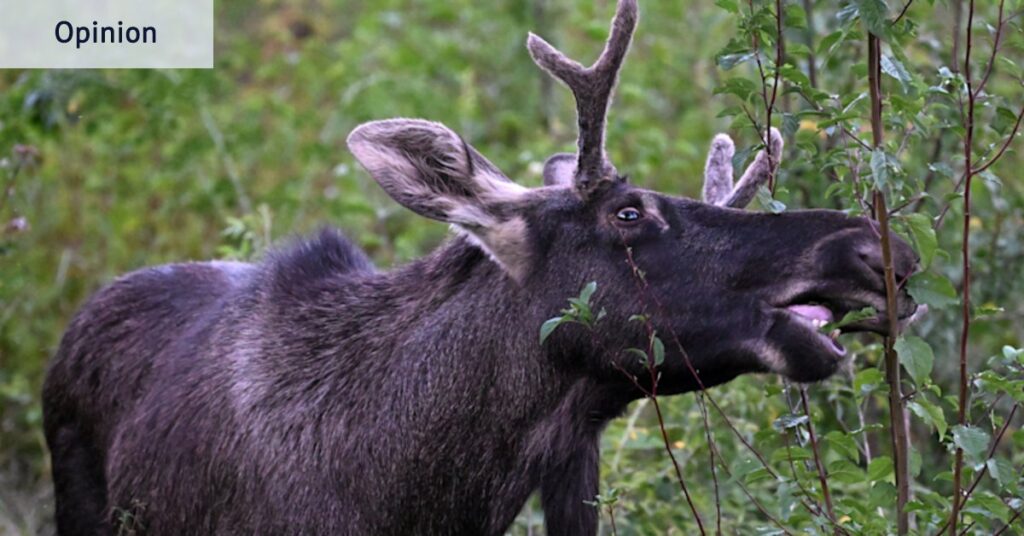
Yes, a footloose moose called Emil. Over summer the beast strayed onto autobahns, raided orchards, stopped locomotives in their tracks. Emil was a nod to Czech long-distance runner Emil Zatopek, a four-time Olympic champ who never boasted 30,000 fans on Instagram. Eventually a taskforce sedated the nomad, driving him back to Bohemia. Though “Moose Emil” remains lodged in Austrian hearts, and now its dictionary, as an emblem of adventure.
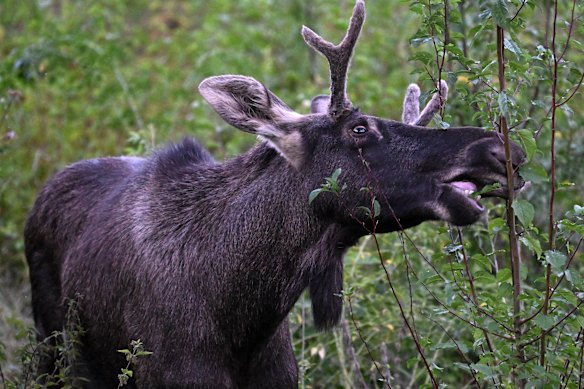
Moose Emil, who roamed Lower Austria in 2024.APA-PictureDesk via AFP
Next door in Germany the panel chose KI-Boom as its 2025 darling. Sounds exciting until you twig that our AI – or Artificial Intelligence – is their KI: Künstliche Intelligenz. Quirkier nominees were Wehrdienst-Lotto (military service lottery), klimamüde (climate-tired), Vertiktokung (TikTok-ification) and the English import of deal, from Friedensdeal (peace deal), Geiseldeal (hostage deal), and Zolldeal (tariff deal).
Tariff – or arancel – won the Spanish crown. Norway chose tekoligark (you can work it out), as the Dutch fancied hallucineren, after the zany claims of AI software. Down south, Portugal had a bad year for utilities going by their pick of apagão – or blackout.
Italy selected fiducia (trust) as “a response to the need to look to the future with positive expectations”. Echoing the toast of Turkiye, namely dijital vicdan (or digital conscience). A phrase, said the Turkish Language Association, “that reflects how conscience in the digital age is reduced from responsibility and action to a simple click”.
Editor’s pick
Sailing east to Asia, resilience and DeepSeek shared the Chinese podium. In contrast to Japan, where the kanji combo of “light-army” expressed “a wish to bring peace to those suffering from despair and strife”. Hotspots like Ukraine, where their word was perehovory (negotiations).
Though the overall winner has to be Iceland. Gjaldskylda may sound like a moody volcano, or any other attraction in that latitude, yet that’s the catch. Councils have peppered the island with signs declaring Gjaldskylda in bold, failing to explain the term means “payment required (for parking)” – making the noun a cash cow for local burghers. Debate rages about the tactic’s ethics, lending the word a prominent place across media.
As a hashtag, Gjaldskylda is also rife on TikTok, most tourists presuming the civic injunction identifies the very thermal springs they’re posing beside, like calling Uluru #nosmoking. It’s a big Gjaldskylda imbroglio, though a tonic alternative to the usual tripe of broligarchy and parasocial, to name just two of our wearier winners closer to home.
No doubt cynics will continue to bewail this annual PR stunt, where dictionaries parade random winners each silly season, but if a global sweep can yield a moose, a Japanese wish, a Lisbon lightbulb and a furtive parking fine, then the tradition’s fine by me.
Get tips, tricks and word games from our crosswords guru, plus links to our online puzzles and quizzes, delivered to your inbox every Saturday. Sign up for our Puzzled with David Astle newsletter.
 David Astle is the crossword compiler and Wordplay columnist for The Sydney Morning Herald and The Age. He is a broadcaster on ABC Radio Melbourne.
From our partners