
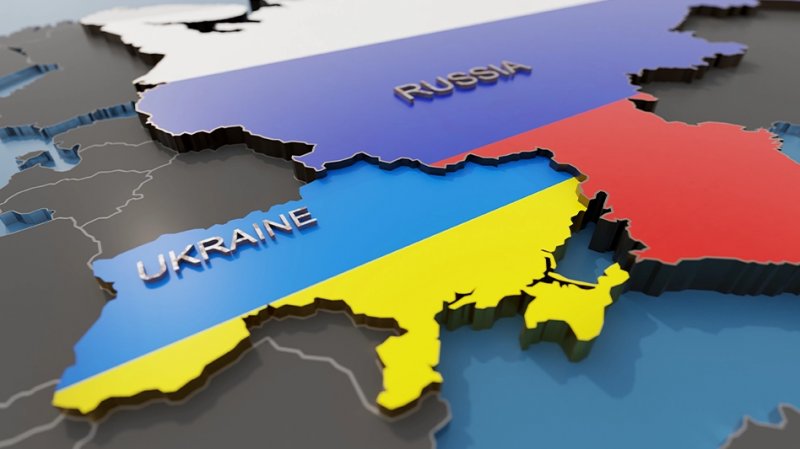
Over the past seven days, the war between Ukraine and Russia has followed a familiar but increasingly complex pattern, News.Az reports.
Military pressure has remained constant, long range strikes have continued to shape daily life far from the front lines, and diplomatic activity has intensified without producing a visible pause in hostilities. This chronology outlines the key developments day by day, highlighting how military, humanitarian, and political dynamics have evolved over the last week.
January 17, 2026
The period opened with continued Russian pressure across several front line sectors in eastern and southern Ukraine. Fighting remained intense around long contested areas, with neither side reporting decisive territorial changes. Ukrainian military communications emphasized defensive operations, counter-battery fire, and the repelling of localized assaults.
Beyond the battlefield, attention focused on Ukraine’s energy system. Power authorities warned of growing strain on electricity generation and transmission following repeated attacks in previous weeks. Emergency schedules, controlled outages, and conservation measures remained in place in multiple regions as winter conditions persisted.
Politically, Ukrainian leadership reiterated that military resilience and civilian endurance were inseparable. Messaging stressed that infrastructure defense had become as critical as battlefield success, framing the energy struggle as part of Russia’s broader strategy to exhaust Ukrainian society.
January 18, 2026
Large scale aerial activity defined the developments of the day. Russian forces launched a new wave of drones targeting multiple regions simultaneously. Ukrainian air defense reported widespread interception, but officials confirmed that some facilities were hit, causing localized blackouts and damage to industrial and logistical sites.
The attacks reinforced a recurring pattern: saturation strikes designed not only to destroy individual targets but to overload air defense systems and force difficult prioritization decisions. Emergency services worked through the night restoring power and assisting residents affected by outages during freezing temperatures.
Russian authorities also reported drone incidents in areas under Moscow’s control, including occupied Ukrainian territories. These incidents highlighted the expanding reach of unmanned systems and the increasingly reciprocal nature of long range warfare.
January 19, 2026
Energy security dominated developments. Ukrainian officials described one of the most difficult days for the power grid in recent months. Damage to substations and transmission lines limited the ability to move electricity from western generation areas to central and eastern regions, even where production capacity remained intact.
Cities adjusted to prolonged outages by expanding warming centers and emergency shelters. Public messaging focused on resilience and adaptation, while also emphasizing the urgent need for additional air defense capabilities and repair equipment.
On the battlefield, front line conditions remained largely unchanged. Artillery exchanges and small scale assaults continued along multiple axes, reinforcing the assessment that the conflict remained firmly attritional.
January 20, 2026
Renewed missile and drone strikes affected several regions, including major urban centers. In the capital, temporary power and water disruptions were reported, underlining how even short outages in densely populated areas carry significant humanitarian consequences during winter.
Russian statements characterized the strikes as targeting military industrial and energy related infrastructure. Ukrainian officials stressed that civilian life was heavily impacted regardless of intended targets, particularly as cold weather magnified the effects of service disruptions.
At the diplomatic level, signals of intensified engagement between Ukrainian officials and international partners became more visible, indicating that political coordination was continuing alongside military resistance.
January 21, 2026
The cumulative impact of sustained strikes became more apparent. Power providers warned that repairs were becoming increasingly difficult as equipment reserves dwindled and repeated damage occurred at the same facilities. Rolling outages expanded in several regions, and authorities urged citizens to reduce electricity use during peak hours.
Public morale remained a central concern. Ukrainian leadership continued to frame civilian endurance as a strategic asset, emphasizing that maintaining basic services under attack was itself a form of resistance.
Fighting along the front lines continued without confirmed major territorial changes, reinforcing the contrast between relatively static battle lines and the dynamic disruption experienced in rear areas.
January 22, 2026
Diplomatic developments gained prominence. Reports emerged of preparations for a rare trilateral meeting involving Ukraine, Russia, and the United States in the Middle East. While expectations for immediate breakthroughs were limited, the format itself was widely viewed as significant.
At the same time, official messaging from Moscow reiterated long standing positions on territory and political conditions, suggesting that core disagreements remained unresolved.
Military activity continued unabated. Drone launches, air defense alerts, and front line engagements underscored that diplomacy was proceeding in parallel with, rather than in place of, ongoing combat operations.
January 23, 2026
The final day of the seven day period illustrated the coexistence of pressure and dialogue. While diplomatic preparations continued, military reporting confirmed ongoing strikes and engagements across multiple regions.
Ukrainian officials used the moment to restate that any meaningful settlement would require security guarantees and respect for sovereignty. Russian messaging emphasized strategic objectives and portrayed talks as part of a longer process rather than an immediate turning point.
By the end of the week, the overall picture remained one of sustained conflict, managed crisis, and cautious diplomatic movement.
What the last seven days reveal
First, the energy front has emerged as one of the most decisive arenas of the war. Attacks on electricity and heating infrastructure have shown how deeply military strategy now targets civilian resilience, with winter conditions amplifying the humanitarian impact.
Second, the battlefield remains locked in an attritional phase. The absence of rapid advances or collapses suggests both sides are prioritizing endurance, resource management, and incremental pressure rather than decisive maneuver.
Third, diplomacy is evolving without displacing combat. New meeting formats signal experimentation with political channels, but continued strikes demonstrate that neither side views talks as grounds for immediate restraint.
Finally, the war’s geography continues to expand through the routine use of drones and long range systems. Rear areas, energy networks, and civilian infrastructure have become persistent targets, blurring the distinction between front line and home front.
Taken together, the past seven days reflect a conflict that is neither frozen nor moving decisively toward resolution. Instead, it continues in a grim rhythm where military action, civilian hardship, and cautious diplomacy unfold simultaneously.
If you want adjustments in tone, length, or format, I can revise accordingly.