

Russia has postponed the launch of the first batch of 16 low-orbit broadband internet satellites, which was originally scheduled for the end of 2025. The delay is linked to the fact that the required number of satellites has not yet been assembled, The Moscow Times reported, citing Russian media on January 23.
The project, called “Rassvet” (Russian “sunrise”), is intended to create a satellite constellation similar to SpaceX’s Starlink, providing global internet access.
Every article pushes back against disinformation. Your support keeps our team in the field.
It was prevously reported that Russia was still equipping its military drones with Starlink satellite terminals despite previous US commitments to cut off such unauthorized use.
The head of Roscosmos , Dmitry Bakanov, had previously promised that by the end of 2025, 300 satellites would be in orbit. However, the timeline has shifted, with the first batch now expected to be launched in 2026, according to The Moscow Times.
The Russian company Bureau 1440, responsible for the project, confirmed that it is working according to schedule, although specific launch dates and sensitive details remain undisclosed.
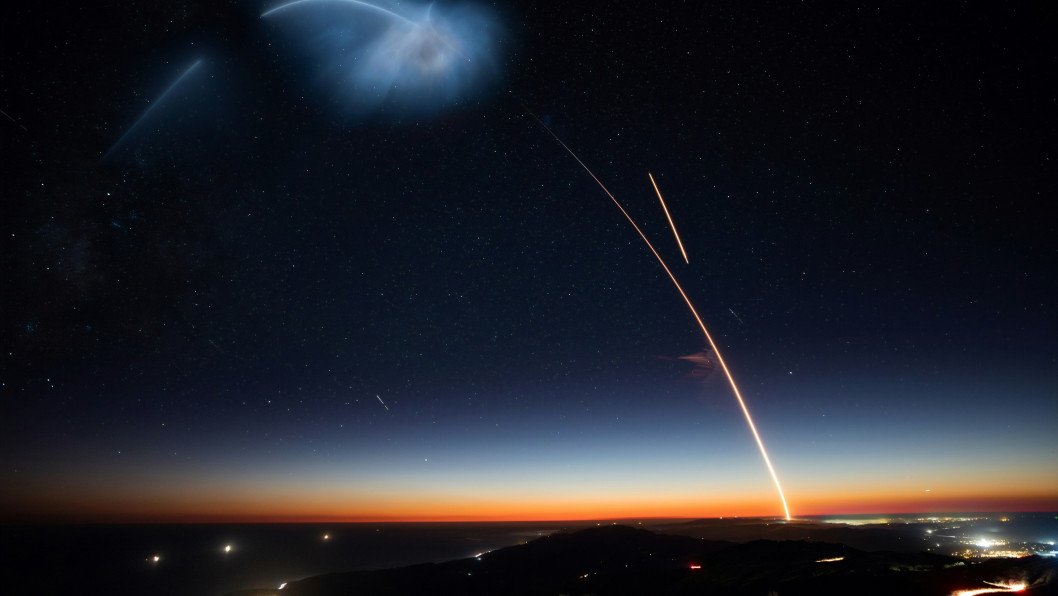
In September 2025, Bakanov stated that the full constellation would include over 900 satellites by 2035, aimed at providing broadband internet. The commercial operation of more than 250 satellites is projected to start in 2027.
The project is funded through Russia’s national data economy program, with $1.3 billion allocated from the federal budget and an additional $4.3 billion rubles invested by Bureau 1440, The Moscow Times wrote.
Currently, only 6 experimental satellites from Bureau 1440 are in orbit. In comparison, SpaceX’s Starlink network operates more than 7,000 satellites at an altitude of 550 km.
Earlier, Russian defense developers have presented a new drone system that can be controlled through Starlink terminals or mobile networks, despite the service being officially unavailable in Russia.

We report from the front lines to show the reality of war. Your support helps us stay there and tell the stories that matter.