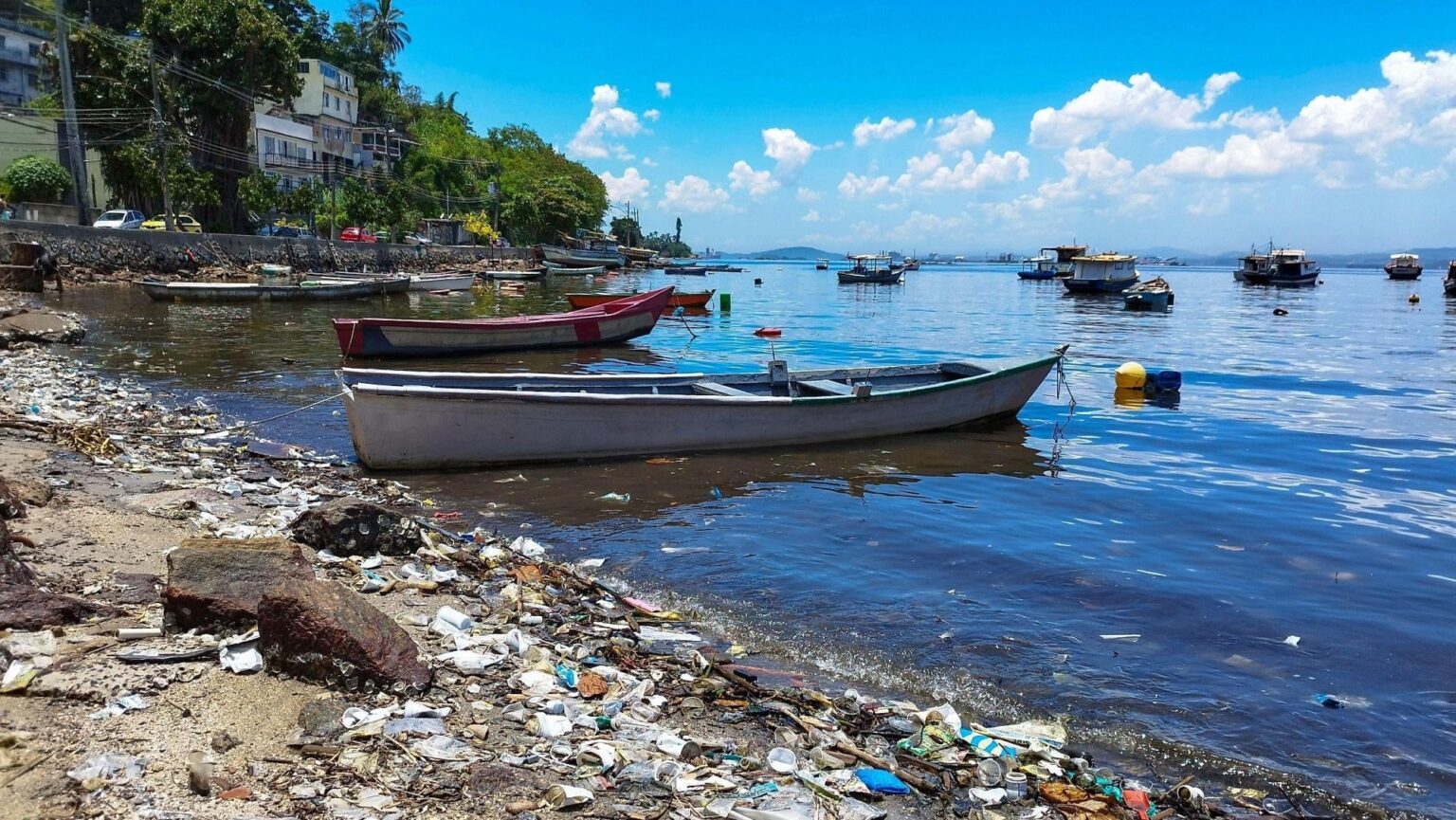
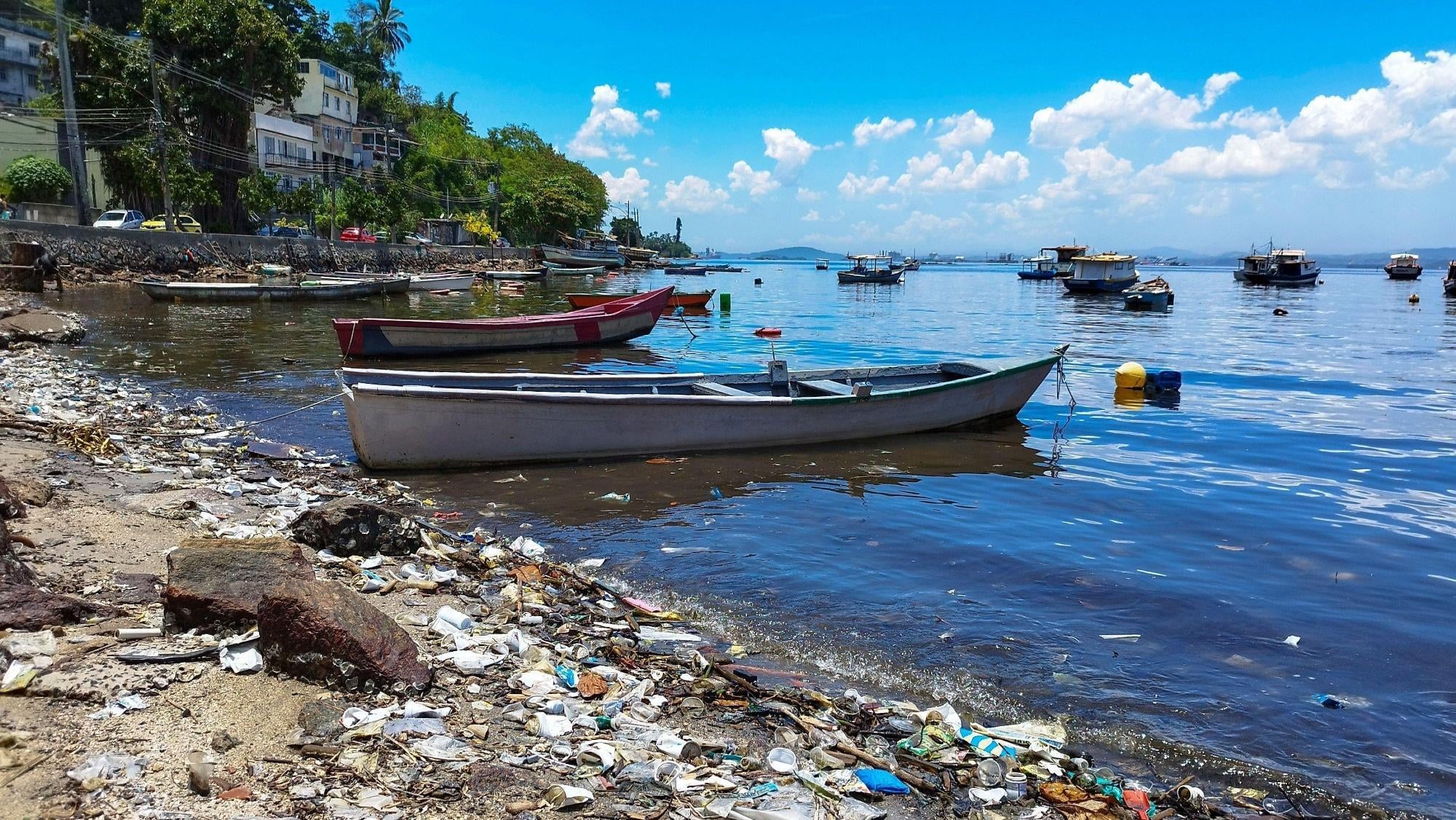
Turning coastal plastic into energy is promising if it stays evidence-based. Recent studies show processes like hydrothermal liquefaction can recover usable fuel with a net-positive energy balance, even from wet, mixed marine plastics. It’s not a silver bullet for plastic pollution, but it could complement cleanup efforts, especially where recycling isn’t feasible, while reducing environmental harm instead of just shifting it.

2 Comments
The original study was published in *Scientific Reports*: [https://www.nature.com/articles/s41598-025-32471-3](https://www.nature.com/articles/s41598-025-32471-3)
Turning coastal plastic into energy is promising if it stays evidence-based. Recent studies show processes like hydrothermal liquefaction can recover usable fuel with a net-positive energy balance, even from wet, mixed marine plastics. It’s not a silver bullet for plastic pollution, but it could complement cleanup efforts, especially where recycling isn’t feasible, while reducing environmental harm instead of just shifting it.