
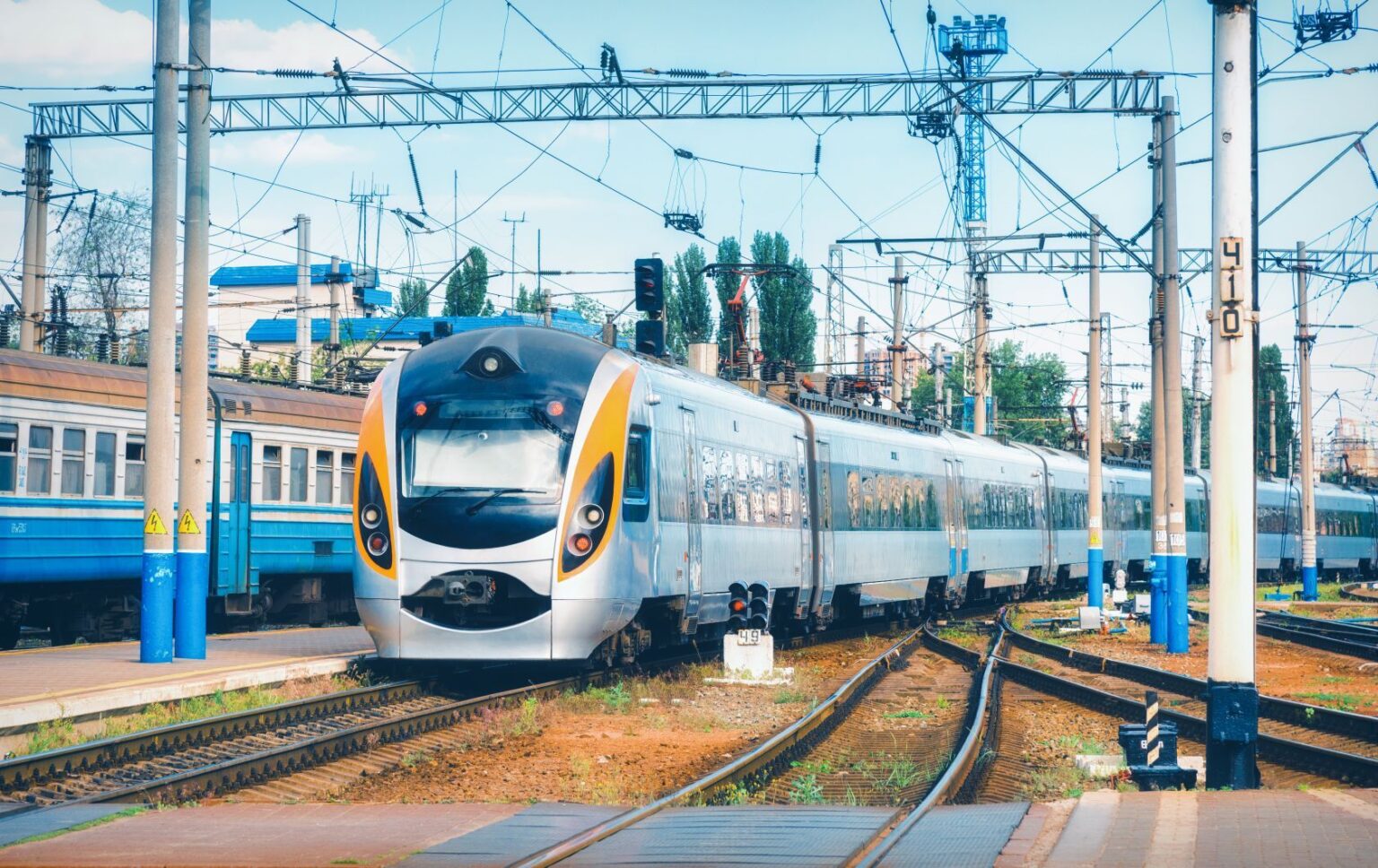
The public-private partnership now launched covers the design, construction, financing and maintenance of the Oiã–Soure section of the Porto-Lisbon high-speed line, with a duration of 30 years, including five years of development and 25 years of availability.
The maximum authorised charge in net present value is €1,603 million, referenced to December 2023, with payments divided between 2026 and 2056, with the start scheduled for July 2026.
In addition, the Government authorised expenditure of up to €600 million for projects, expropriations, site setup, and works supervision, eligible for community funding.
This relaunch comes after the cancellation of the first tender in 2024 due to the exclusion of the only proposal submitted.
According to IP, the total investment associated with PPP2 amounts to approximately €2.4 billion and covers approximately 60 kilometres of new high-speed line, as well as 18 kilometres of connections to the conventional rail network, including interventions on the Northern Line.
During the presentation of the tender, which took place today at Culturgest in Lisbon, the president of IP, Miguel Cruz, stated that the launch of PPP2 marks “the beginning of a new concrete stage” in the development of high-speed rail in Portugal, highlighting the benefits in terms of mobility, territorial cohesion, economic competitiveness and environmental sustainability.
According to IP, the project will reduce approximately 5 million tons of carbon dioxide equivalent by 2050 by promoting the transfer of passengers and goods from road and air transport to rail, with up to 60 daily services and a growth in freight transport of more than 8 million tons.
IP also indicated that the Porto-Lisbon high-speed rail line will be developed through three public-private partnerships, with the first, between Porto and Oiã, already contracted, and the third, between Soure and Carregado, with the environmental impact assessment process completed and the tender scheduled for the first half of 2026.
As part of the development of the high-speed rail network, IP also provided an update on the Lisbon-Madrid axis, noting that the section for the third Tagus River crossing is in the final stages of development and will be submitted for an environmental impact assessment in the coming months.
According to the company, work is underway with the municipalities of Lisbon and Barreiro on the northern and southern accesses to the future crossing, as well as with ANA – Aeroportos de Portugal and the Institute for Mobility and Transport on the coordination of rail access to the new Luís de Camões airport.
The Minister of Infrastructure, Miguel Pinto Luz, stated that the launch of the tender reflects “the fulfilment of a strategic vision” and argued that high-speed rail constitutes “an opportunity that the country cannot let slip away,” highlighting his confidence in national engineering and companies to execute the project.