
“Speed to capability delivery is now our organizing principle,” Secretary of War Pete Hegseth announced in his November acquisition reform package.
Money has been flowing into agile new defense tech firms all year. Venture capital investment in defense tech startups has surged by over 200% in 2025. Micros like Aventura have raised $3 million to offer glider munitions to the Pentagon. An investment from Bain Capital propelled AI analytics provider Govini to a valuation over $1 billion, according to CEO Tara Murphy Daugherty.
The capital flow has inspired a new term: “war unicorns.” In the finance world, a “unicorn” is a privately held company that is valued at $1 billion or more. A “war unicorn” is an American company with a significant share of defense business. “These billion-dollar beasts are rewriting the rules of modern warfare, blending Silicon Valley speed and tech with battlefield grit,” wrote Pete Modigliani and Matt Macgregor in their Substack piece listing 22 of Silicon Valley’s top national security companies.
The task for Deputy Secretary of Defense Stephen Feinberg and his team is to set the path for unicorns to thrive as workhorses, delivering capability year after year while continuing to innovate.
Most of the newest entrants on Silicon Valley’s Nat Sec 100 aren’t selling much to the Pentagon—yet. Those companies are growing their sales, but collectively they won just 0.48% of the defense budget in 2024.
However, several American “war unicorns” arrived as new entrants on the global Defense News 100 List of Top Defense Companies for 2025. Of course, SpaceX at #40 is the mega-unicorn, booking over $4 billion in defense revenue for launches and classified space work.
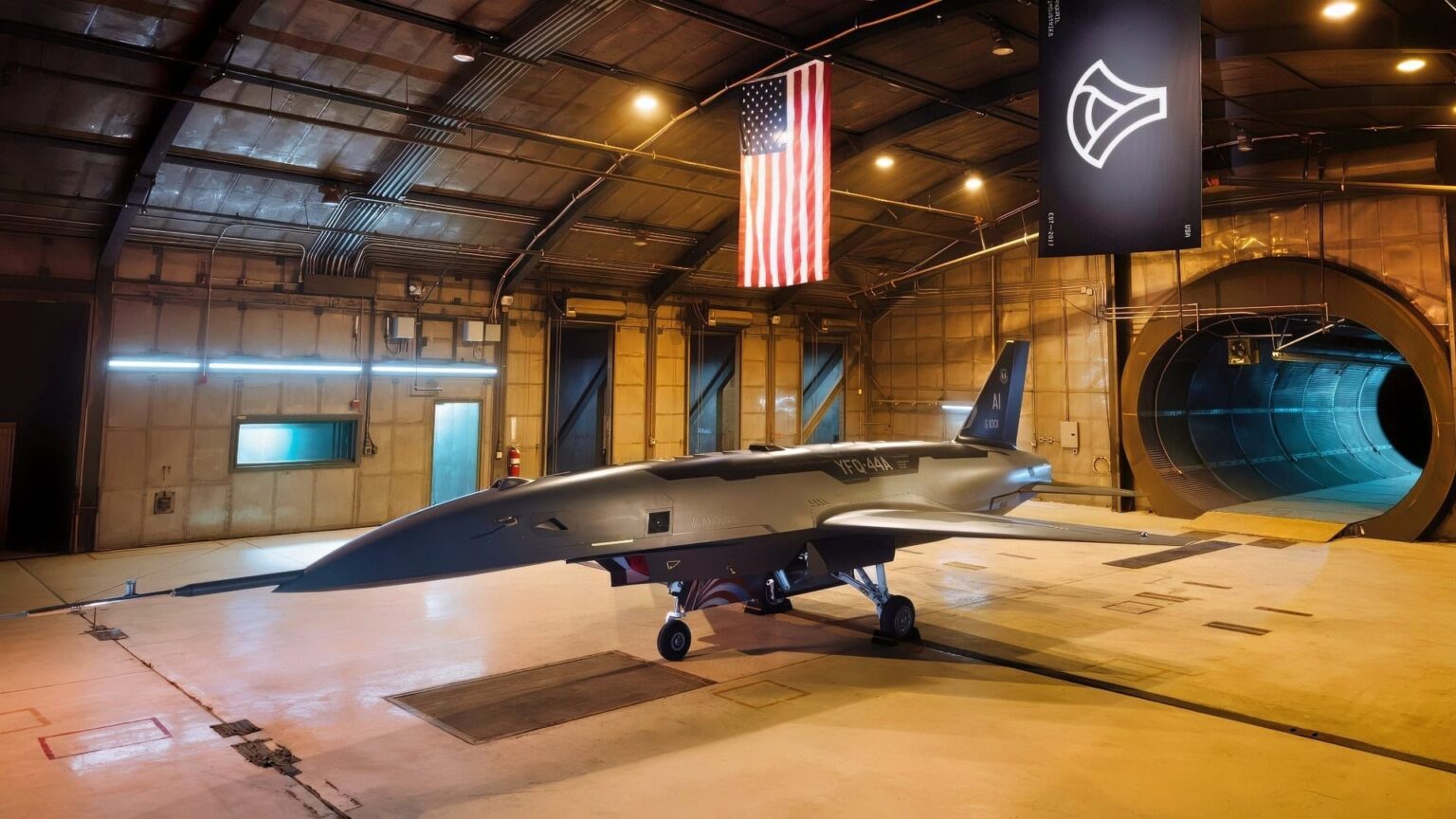
Palantir Technologies ranked #70, and Anduril ranked #93, making the list for the first time in 2025. Seven US Navy public and private shipyards are working with Palantir and Blue Forge Alliance on an AI tool to streamline shipbuilding and maintenance. Anduril’s Fury was selected as a winner for the Air Force’s CCA program and is in flight testing. The company is also in the hunt for advanced missiles.
On the Defense News list, at #100, is a firm that new startups would do well to emulate. This company has transitioned from unicorn to workhorse. That firm is Hexcel, the leading American manufacturer of aerospace-grade carbon fiber composites. Over 37% of the firm’s $1.88 billion in 2025 sales came from defense programs.
Turning “unicorns” into workhorses that retain their ability to lead new technologies is the next step for the Pentagon. For this, there are few better examples than the company at #100 on the list: Hexcel. “We have a company right here in Utah that’s on the edge of aerospace technology development. This is the future,” said Rep. Celeste Molloy.
Hexcel’s origin story is not unlike that of today’s unicorns. Two fraternity brothers from the University of California, Berkeley, reconnected after World War II to form California Reinforced Plastics. Their competitive 1948 bid on fuel cell support panels for the wings of the Convair B-36 “Peacemaker” intercontinental bomber secured their first major contract for the young engineers.
Like the unicorns of 2025, Hexcel was all about breaking the mold. “I took some really deep breaths and told those government, Air Force, and industry people that they could look forward to a whole new era in aviation if they only would open their minds to the usefulness of this honeycomb work,” founder Roger Steele recalled of an early briefing to the Air Force. Hexcel—named for the hexagonal structure of composite honeycomb shapes—pioneered products for the Apollo 11 lunar lander and won market share in commercial aerospace, too.
Today, programs like the F-47 sixth-generation fighter would not be possible without advanced composites. Hexcel’s aerospace-grade carbon fiber composites are stronger and lighter than metals. Carbon fiber is 5 times stronger and 30% lighter than aluminum. Composites enable leading-edge design for aircraft, missiles, and components, and generally reduce life-cycle costs, a key consideration for defense products.
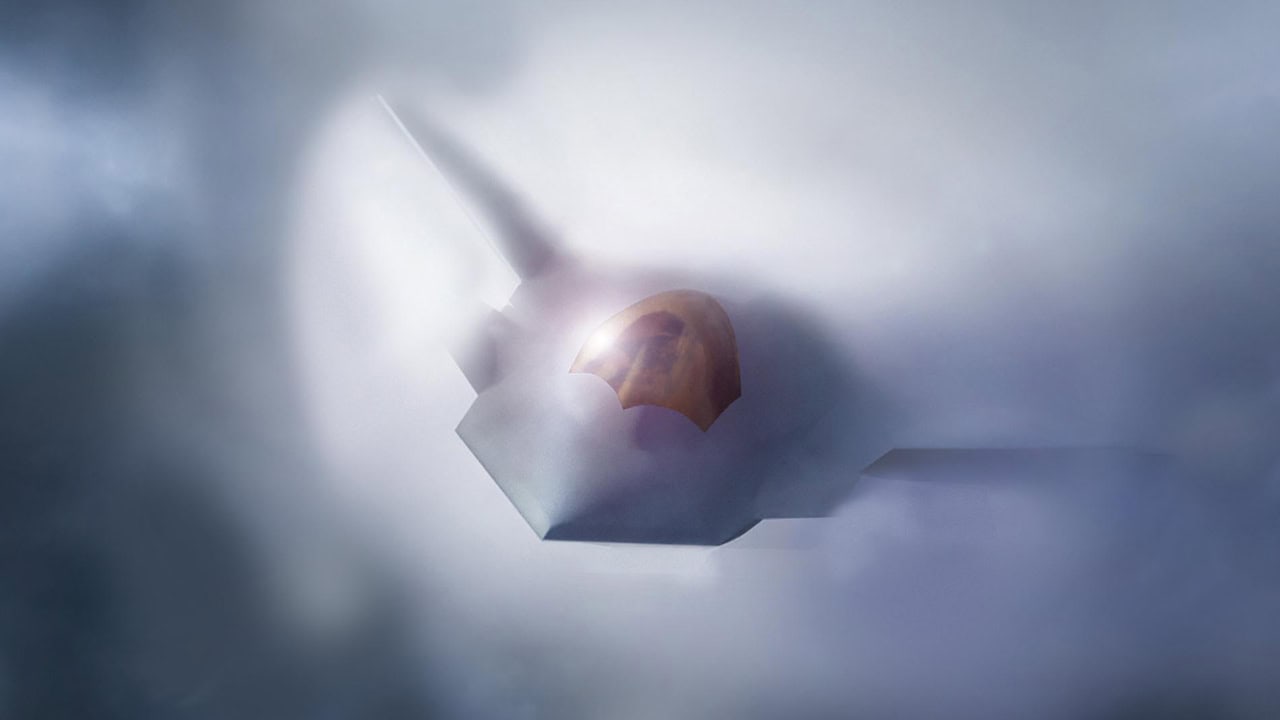
F-47 Fighter. Image Credit: U.S. Air Force.
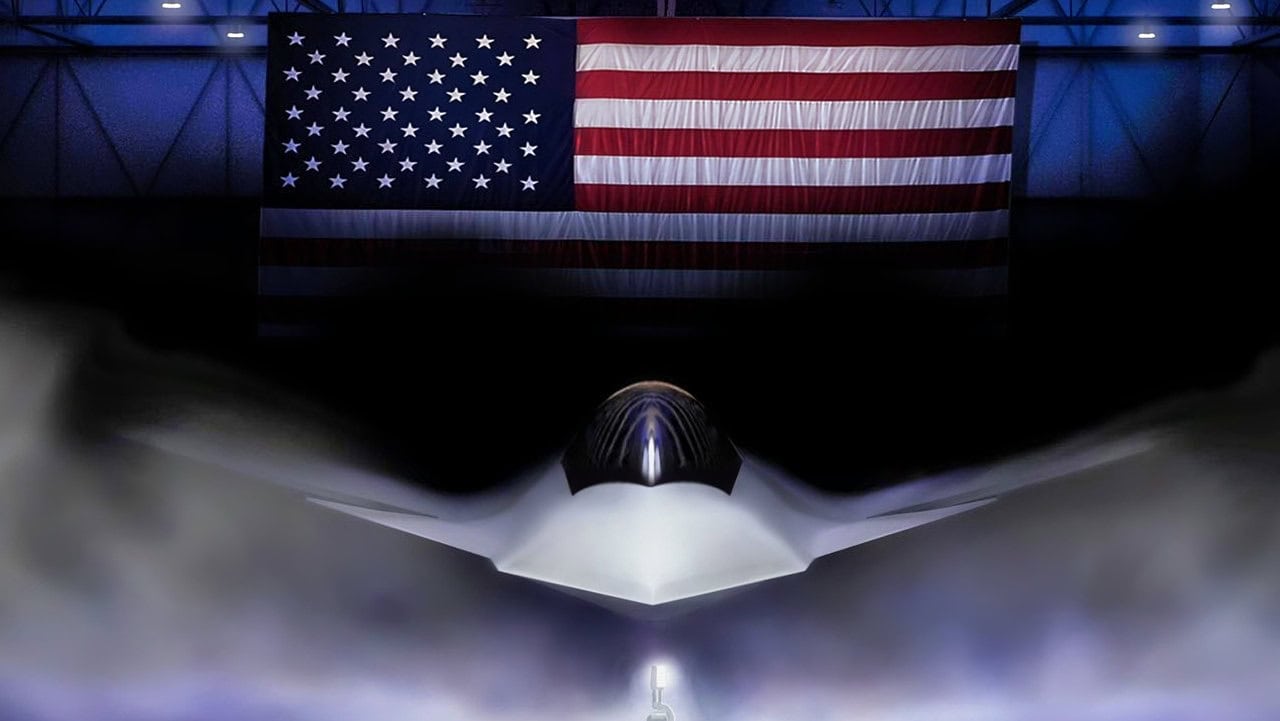
F-47 Fighter from U.S. Air Force.
Another crucial lesson is to prioritize a US supply chain with cyber safeguards. To its great credit, Hexcel has invested in US manufacturing and kept its defense supply chain free of Chinese influence. There is “an American company that is doing 100% here in America,” Secretary of Labor Lori Chavez-DeRemer said during her visit to Hexcel in Utah. “It’s a source of pride for me.” Ensuring American-made composites are the first choice for defense products is a policy priority.
“War unicorn” moments come from advanced technology. Workhorses provide steady support to the warfighter through business wins and purchase orders, by purchase order. Often mentored by primes and the Services themselves, the “war unicorns” are top candidates for ascending to the ranks of mid-tier defense primes. Their success in smaller programs can pave the way for a shot at larger-scale projects.
That is the story of SNC. Formerly Sierra Nevada Corp, SNC at #63 has been on the list already and scored a $13 billion award to convert five Boeing 747s into Survivable Airborne Operations Control flying command posts for the Air Force. SNC’s subsidiary Sierra Space, with a national security track record in space vehicle design, production, and launch, is valued at over $5 billion. That makes Sierra Space “one of the biggest space unicorn stocks on the planet.”
Whether space, software, or composites, US defense relies on transitioning unicorns into workhorses.
About the Author: Dr. Rebecca Grant
Dr. Rebecca Grant (Follow Her on X: @rebeccagrantdc), Vice President of the Lexington Institue, is a national security analyst based in Washington, DC specializing in defense and aerospace research and national security consulting. She has researched and published hundreds of articles on national security and spoken at numerous forums. In addition, Dr. Grant has often appeared on television as an expert on national security for Fox News, Fox Business, CNN, and MSNBC and as a series regular on The Smithsonian’s Air Warriors. Dr. Grant also writes on China, Russia and other technology and national security topics for Fox News Opinion. Her military books include 75 Great Airmen (with Lt. Gen. Chris Miller), The B-2 Goes to War, and Battle-Tested: Aircraft Carriers in Afghanistan and Iraq. Dr. Grant graduated from Wellesley College and earned a PhD in International Relations from the London School of Economics, University of London.