
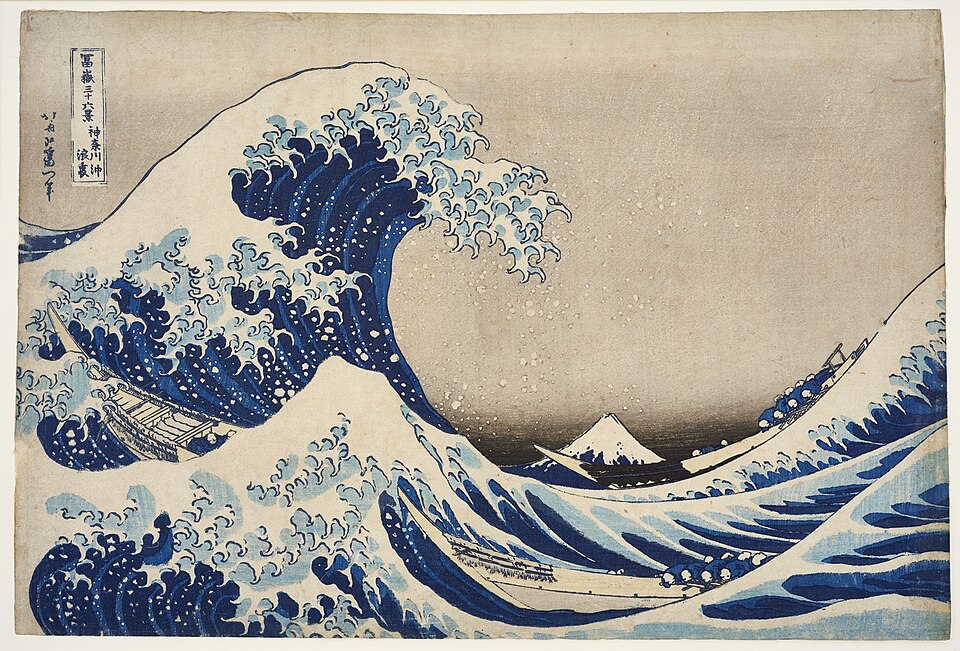
A considerably simple idea at first grew into something beyond our own expectations (and sometimes, human limits). In a remarkable act of shared commitment to open knowledge, more than 30 cultural and educational institutions from Germany and Austria have come together to celebrate Wikipedia’s 25th birthday. After months of preparation and overnight shifts, we can finally reveal their gifts to the public: A curated selection of more than 800 images, historical documents, and multimedia files from their archives and collections, now digitized and released under free licenses for the world to discover, use and share.
This collective campaign, titled “25 Jahre Wikipedia – 25 Geschenke” (25 years Wikipedia – 25 Gifts), marks a significant achievement in the collaboration between Wikimedia communities and cultural and knowledge institutions. For many partners, this donation represents their first major contribution under a free license to Wikimedia Commons, unlocking their holdings for global education and creativity.
A Shared Vision for Open Knowledge
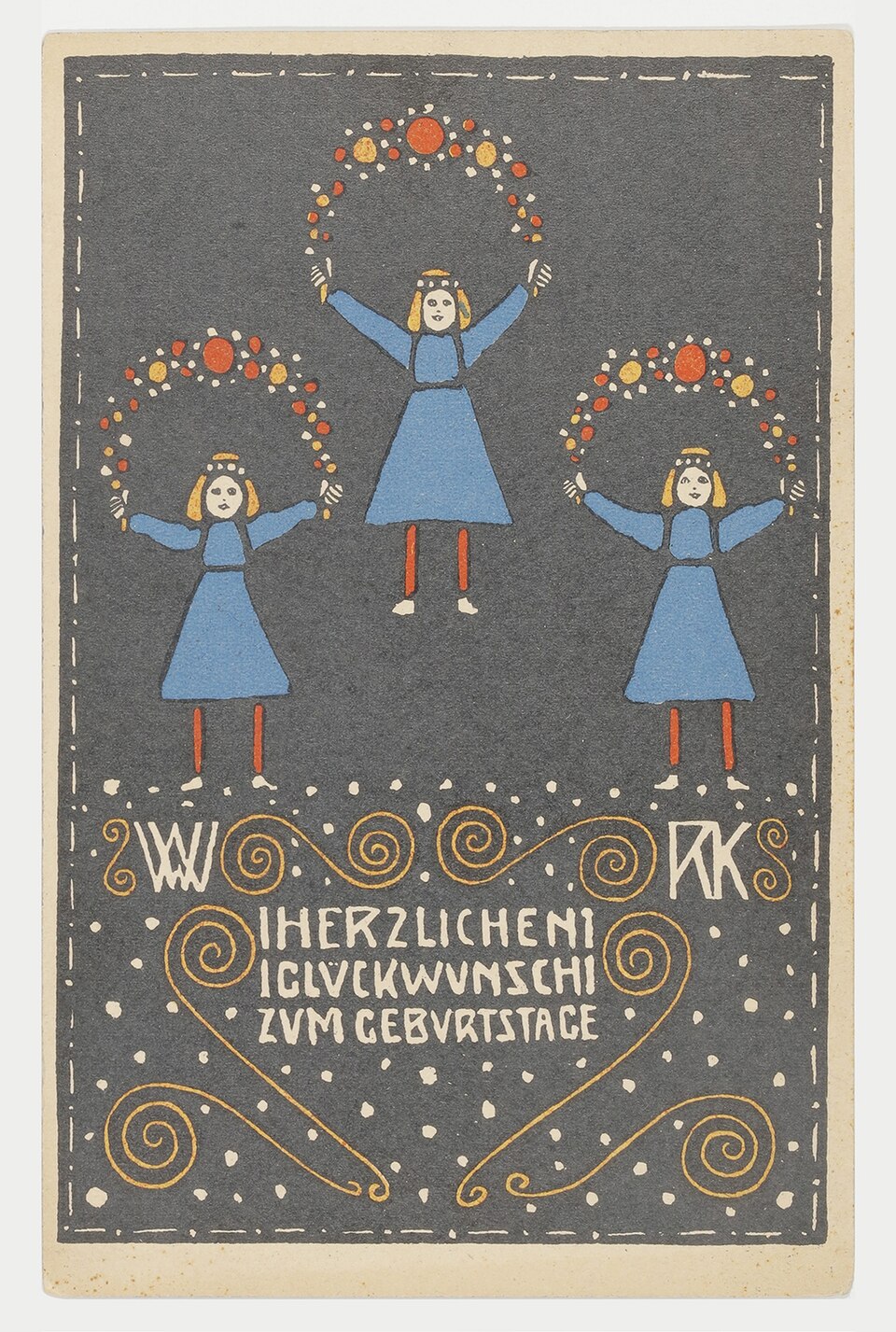
The birthday gifts showcase a breathtaking diversity of cultural heritage, from Renaissance art and medieval manuscripts to industrial history, natural science specimens, and contemporary design. For Wikipedia editors, these new resources are invaluable for creating well-illustrated, well-sourced articles. For teachers, students, artists, and the curious public, they represent a new trove of material free from copyright restrictions that can be used for… well, whatever!
The institutions’ motivations for participating are deeply aligned with Wikipedia’s core mission. The Belvedere in Vienna articulated a powerful shared vision, stating that “the intention of the community-based platform Wikipedia, to enable egalitarian access to information in the digital space, coincides with our vision of an accessible and dynamic museum and scientific operation in the 21st century.” They see it as part of their educational mission to make cultural heritage available worldwide through digital means.
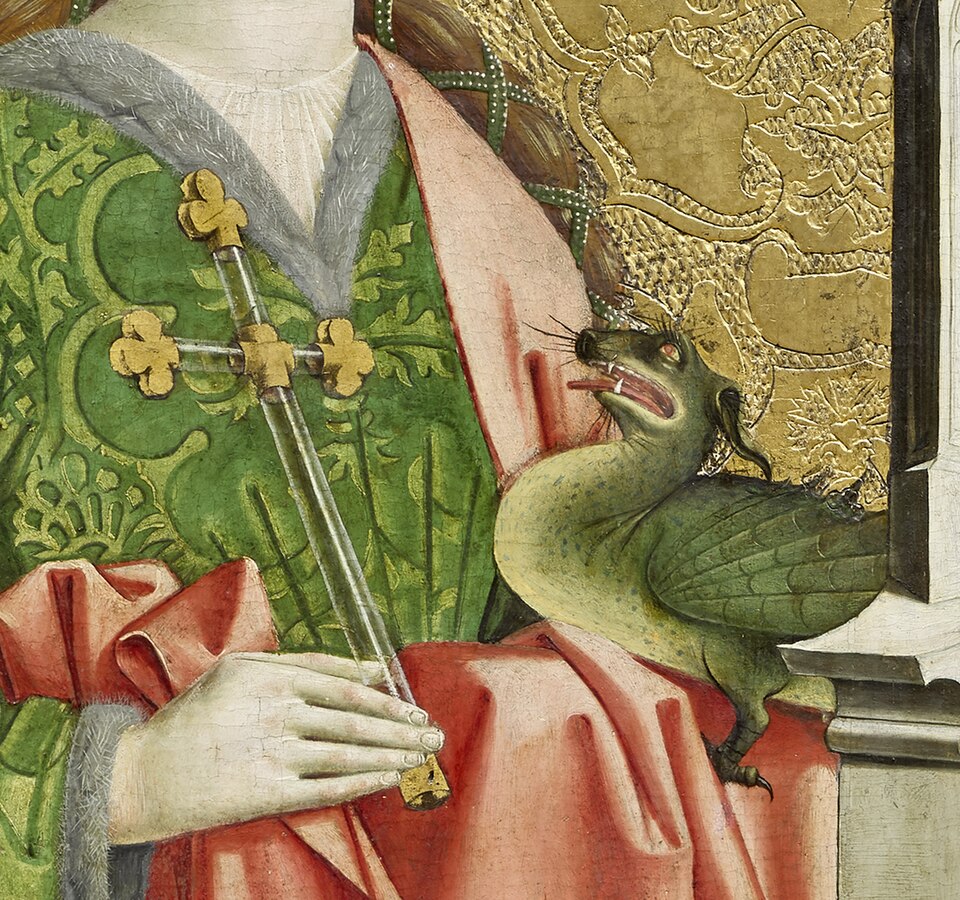
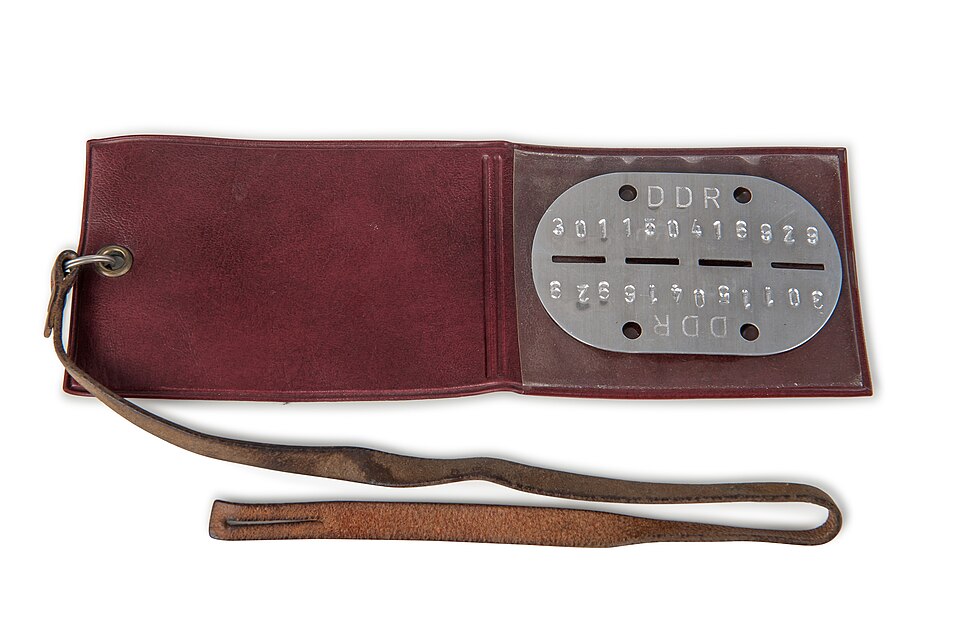
Similarly, the German Spy Museum (Deutsches Spionagemuseum) highlighted the importance of transparency and access in their field. Its CEO, Robert Rückel, noted, “Especially in the area of intelligence agencies and espionage, transparent, well-researched information is more important than ever… Knowledge that was once hidden is now accessible to everyone – that fits wonderfully with our mission to promote enlightenment and understanding.”
Cultural and knowledge institutions <3 Wikipedia and Wikipedia <3 them back
The project’s success was driven by close collaboration between local Wikimedia affiliates and the institutions. Raimund Liebert of Wikimedia Österreich and Holger Plickert of Wikimedia Deutschland served as the primary contacts, guiding partners through the process of selecting materials and understanding free licensing. They also coordinated the creation of the project page and uploading the content with additional information.
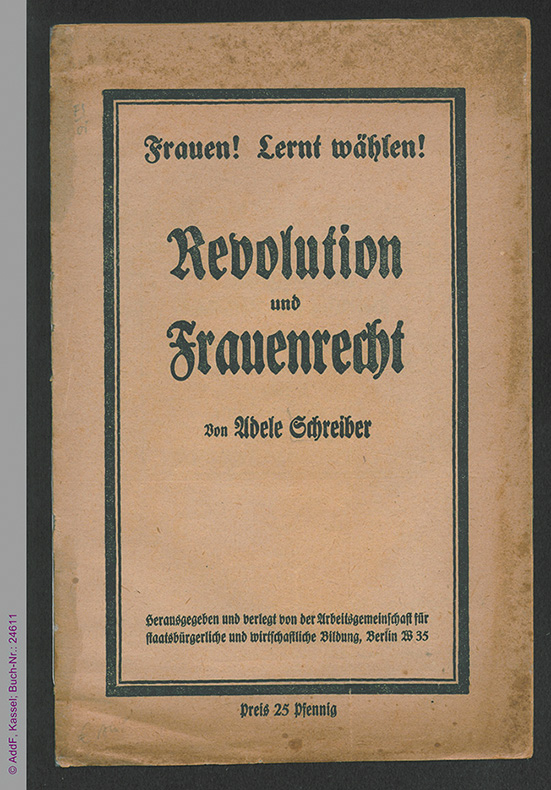
For institutions like the Archive of the German Women’s Movement (Archiv der deutschen Frauenbewegung, AddF), this project is a continuation of a valued partnership. They expressed their enthusiasm for initiatives that address the gender gap in Wikipedia, stating, “We are fan-girls of the initiatives around Women in Red… which are committed to the visibility of women, their work and their achievements.” They see the gift as a way to “make the German women’s movement more visible in the global public sphere together” and thanked the volunteers who process the data to make new insights and free knowledge accessible.
Explore the treasures
All donated materials and the personal greetings from each institution are now available for exploration. A special “Geschenk des Tages” (Gift of the Day) template allows users to feature a rotating highlight from the collection on their user pages.
You can browse the full, alphabetically sorted list of participating institutions and their gifts here: 25 Jahre Wikipedia – 25 Geschenke. Yes, it’s in German, but we know you can do it!
The participating institutions are:
- Belvedere (AT)
- Deutsches Spionagemuseum (DE)
- Deutschlandmuseum (DE)
- Europäisches Hansemuseum Lübeck (DE)
- FHXB Friedrichshain-Kreuzberg (DE)
- FMS/PTS Wien 3 (AT)
- Forschungsbibliothek Gotha der Universität Erfurt (DE)
- Friedenstein Stiftung Gotha (DE)
- Hamburger Kunsthalle (DE)
- Karikaturmuseum Krems (AT)
- Klassik Stiftung Weimar (DE)
- Kustodie der Universität Greifswald (DE)
- LWL Museen für Industriekultur (DE)
- MAK – Museum für angewandte Kunst (AT)
- Münzkabinett der Staatlichen Museen zu Berlin (DE)
- Museum für Islamische Kunst Berlin (DE)
- Museum für Kunst und Gewerbe Hamburg (DE)
- Museum für Naturkunde Berlin (DE)
- Museum Schloss Fürstenberg (DE)
- MuseumsQuartier Wien (AT)
- Museumsstiftung Post und Telekommunikation (DE)
- Naturhistorisches Museum Wien (AT)
- PETRI Berlin (DE)
- Projektteam Wikipedia: Museen BW (DE)
- Staatsarchiv Bremen (DE)
- Stadtarchiv Ulm (DE)
- Stiftung Archiv der deutschen Frauenbewegung (DE)
- Stiftung Preußische Schlösser und Gärten Berlin Brandenburg (DE)
- Stiftung Stadtmuseum Berlin (DE)
- Universität Innsbruck (AT)
- Wien Museum (AT)
- Wissenschaftliche Bibliothek der Stadt Trier (DE)
On its 25th birthday, Wikipedia’s greatest gift is this growing, global ecosystem of open knowledge.
In order for this article to reach as many people as possible we would like your help. Can you translate this article to get the message out?
Related