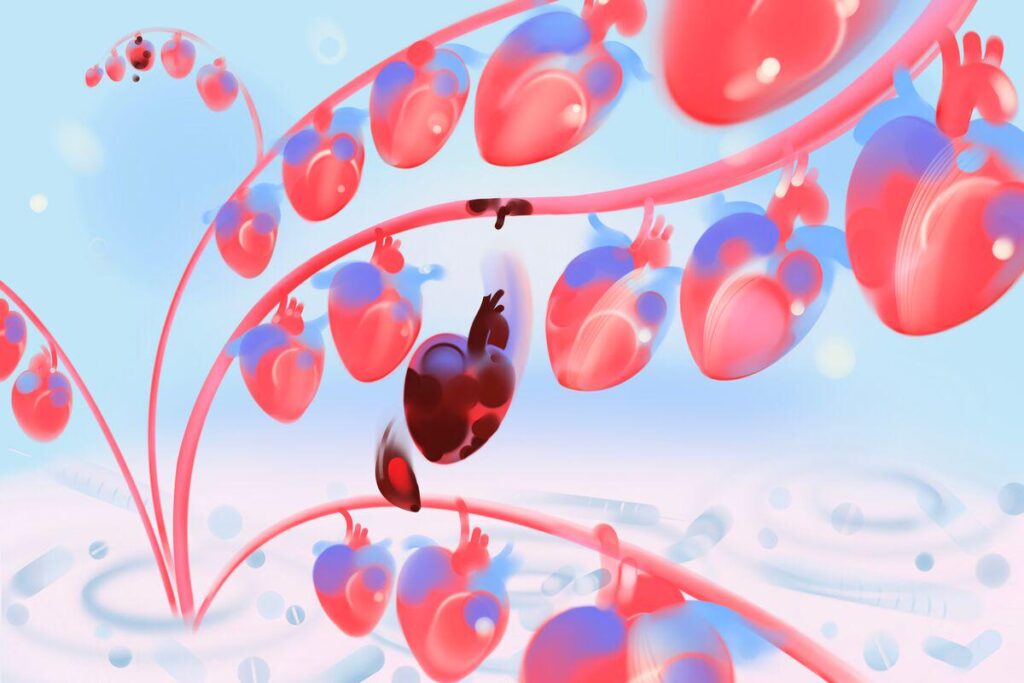
*Doctors say the success of modern cancer care is creating a new challenge: managing treatment-related heart damage for survivors.*
*Jason Gale for Bloomberg News*
Sydney oncologist Bogda Koczwara knew something was wrong when a police officer she’d treated for non-Hodgkin lymphoma returned to her clinic exhausted. His cancer tests were clear, but his health was deteriorating. Further tests revealed the problem: His heart was failing.
The chemotherapy had quietly damaged his heart muscle. The cancer never came back, but his heart never recovered.
Koczwara says the case, in the late 1990s, was an early warning of what is now an established pattern. Cancer therapies are producing unprecedented numbers of long-term survivors, many of whom are living long enough to experience the delayed effects on their heart. It’s an issue oncologists are grappling with worldwide, as treatment itself has become a cardiovascular risk factor — one that can compound the heart risks many patients already carry. “Cancer treatment comes at a cost,” Koczwara says. “There is a price to pay and that price is not trivial.”
People are surviving cancer in record numbers: The US has more than 18 million survivors, Australia more than 1.2 million, and the numbers are rising across Europe and Asia as treatments improve. Modern cancer therapies, far more potent than those available in the early 1990s, can be much more taxing on the heart than earlier treatments. They include immune checkpoint inhibitors, which mobilize the body’s immune system against tumors; drugs that cut off a tumor’s blood supply; and agents that target the genetic or molecular causes of a cancer.

1 Comment
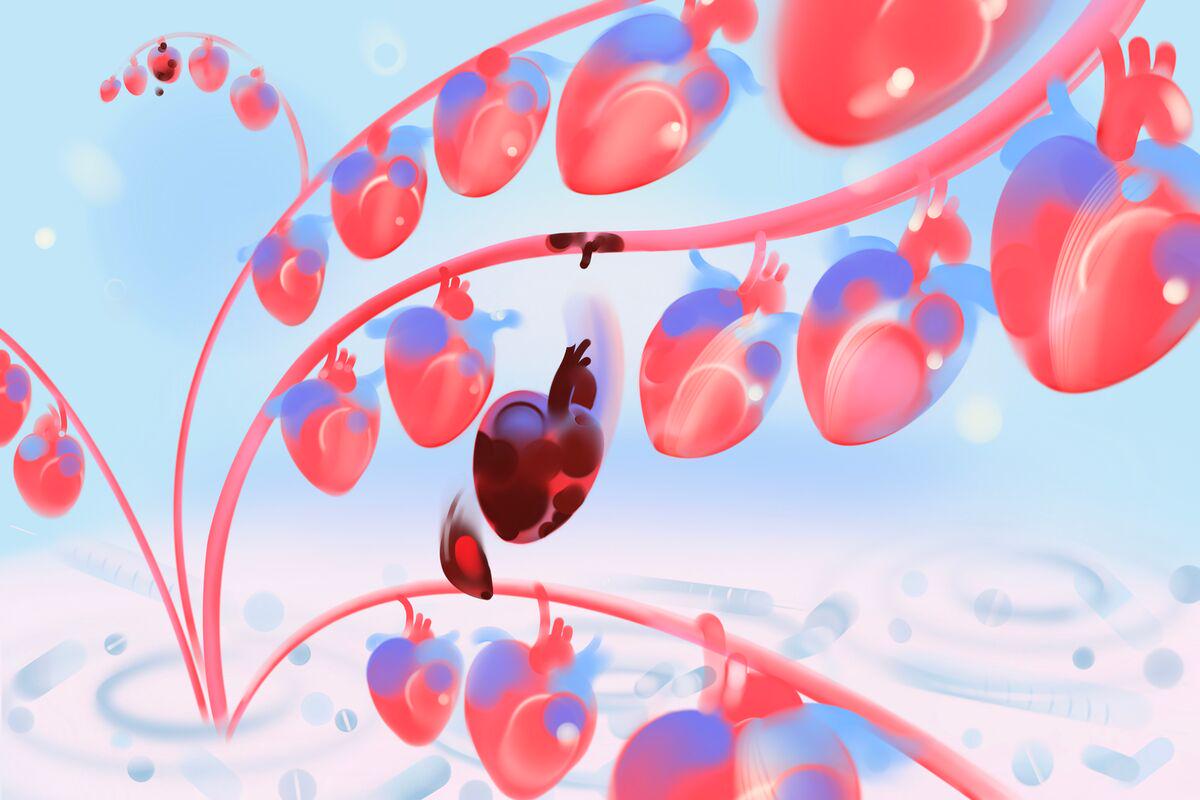
*Doctors say the success of modern cancer care is creating a new challenge: managing treatment-related heart damage for survivors.*
*Jason Gale for Bloomberg News*
Sydney oncologist Bogda Koczwara knew something was wrong when a police officer she’d treated for non-Hodgkin lymphoma returned to her clinic exhausted. His cancer tests were clear, but his health was deteriorating. Further tests revealed the problem: His heart was failing.
The chemotherapy had quietly damaged his heart muscle. The cancer never came back, but his heart never recovered.
Koczwara says the case, in the late 1990s, was an early warning of what is now an established pattern. Cancer therapies are producing unprecedented numbers of long-term survivors, many of whom are living long enough to experience the delayed effects on their heart. It’s an issue oncologists are grappling with worldwide, as treatment itself has become a cardiovascular risk factor — one that can compound the heart risks many patients already carry. “Cancer treatment comes at a cost,” Koczwara says. “There is a price to pay and that price is not trivial.”
People are surviving cancer in record numbers: The US has more than 18 million survivors, Australia more than 1.2 million, and the numbers are rising across Europe and Asia as treatments improve. Modern cancer therapies, far more potent than those available in the early 1990s, can be much more taxing on the heart than earlier treatments. They include immune checkpoint inhibitors, which mobilize the body’s immune system against tumors; drugs that cut off a tumor’s blood supply; and agents that target the genetic or molecular causes of a cancer.
[Read the full dispatch here.](https://www.bloomberg.com/news/articles/2026-01-23/new-potent-cancer-treatments-are-raising-heart-risks-for-survivors?accessToken=eyJhbGciOiJIUzI1NiIsInR5cCI6IkpXVCJ9.eyJzb3VyY2UiOiJTdWJzY3JpYmVyR2lmdGVkQXJ0aWNsZSIsImlhdCI6MTc2OTE1ODQxNSwiZXhwIjoxNzY5NzYzMjE1LCJhcnRpY2xlSWQiOiJUOUIyNFVLR0NUR08wMCIsImJjb25uZWN0SWQiOiJEMzU0MUJFQjhBQUY0QkUwQkFBOUQzNkI3QjlCRjI4OCJ9.hr0JmrQVo92yLxRJOIXCMW0XBg0Xs4A718UBR-mebn8)