
Europe can no longer depend on the world’s superpowers and must move towards strategic independence, argues Michael McGrath, the European justice commissioner.
With EU-US relations uncertain after a turbulent week in Davos and an emergency meeting of the European Council, McGrath said the European Commission would continue to pursue a path towards a Europe less reliant on China, Russia and the United States.
Although President Trump has stepped back from threats directed at Greenland, McGrath said the situation remained unstable and recent events underlined the need for a stronger European Union.
“The situation has proven to be very volatile, and all certainties can no longer be taken for granted,” he said. “For the EU, it means the need for us to achieve a greater level of strategic autonomy and independence. For too long, we have been dependent on Russia for cheap energy, dependent on China for manufacturing and cheap goods, and dependent on the United States for our security. None of those can be allowed to continue.”
He added: “What it underlines for us as a commission, and for the European Union more generally, is the need to achieve better independence, to achieve an independent Europe, not in any way fortress Europe, but a Europe that can stand on its own two feet on issues like energy security, economic security and indeed the defence of our citizens.”
The EU has greatly reduced its reliance on Russian energy since the invasion of Ukraine. Before the war, about 28 per cent of the bloc’s crude oil imports originated in Russia. By the end of 2025, that figure had fallen to about 2 per cent.
Economic dependence on China remains more substantial. China is the EU’s largest supplier of imported goods, accounting for circa 20 per cent of total imports. The trade imbalance is stark, with the EU’s deficit with China exceeding €300 billion in recent years.
• Leo Varadkar: No conspiracy at Davos, just a crazy double climbdown from Trump
Europe also remains heavily dependent on America for its defence. The US is by far the biggest contributor to Nato’s military capability and provides a disproportionate share of advanced weaponry, intelligence and military support.
John Bolton, a former security adviser to the Trump administration, said it was a “mistake to draw apocalyptic conclusions” from the US president’s recent outbursts.
“We’ve had ups and downs in Nato before,” he said, adding Trump had just three more years in office. “That seems like a long time, but in the life of the alliance it’s just a blip.”
According to McGrath, the commission is accelerating efforts to strengthen European autonomy.
“We have to achieve more autonomy and greater resilience as a European Union over time. And that’s why our efforts to deepen the single market, to break down those internal barriers in our single market, are so important, and why the efforts of many member states to increase their investment in their own security and defence capability is important because it strengthens our overall collective position,” he said.
“And equally, on the energy front, we have made great progress in removing that very unhealthy dependence that was built up over many decades on fossil fuels coming from Russia.”
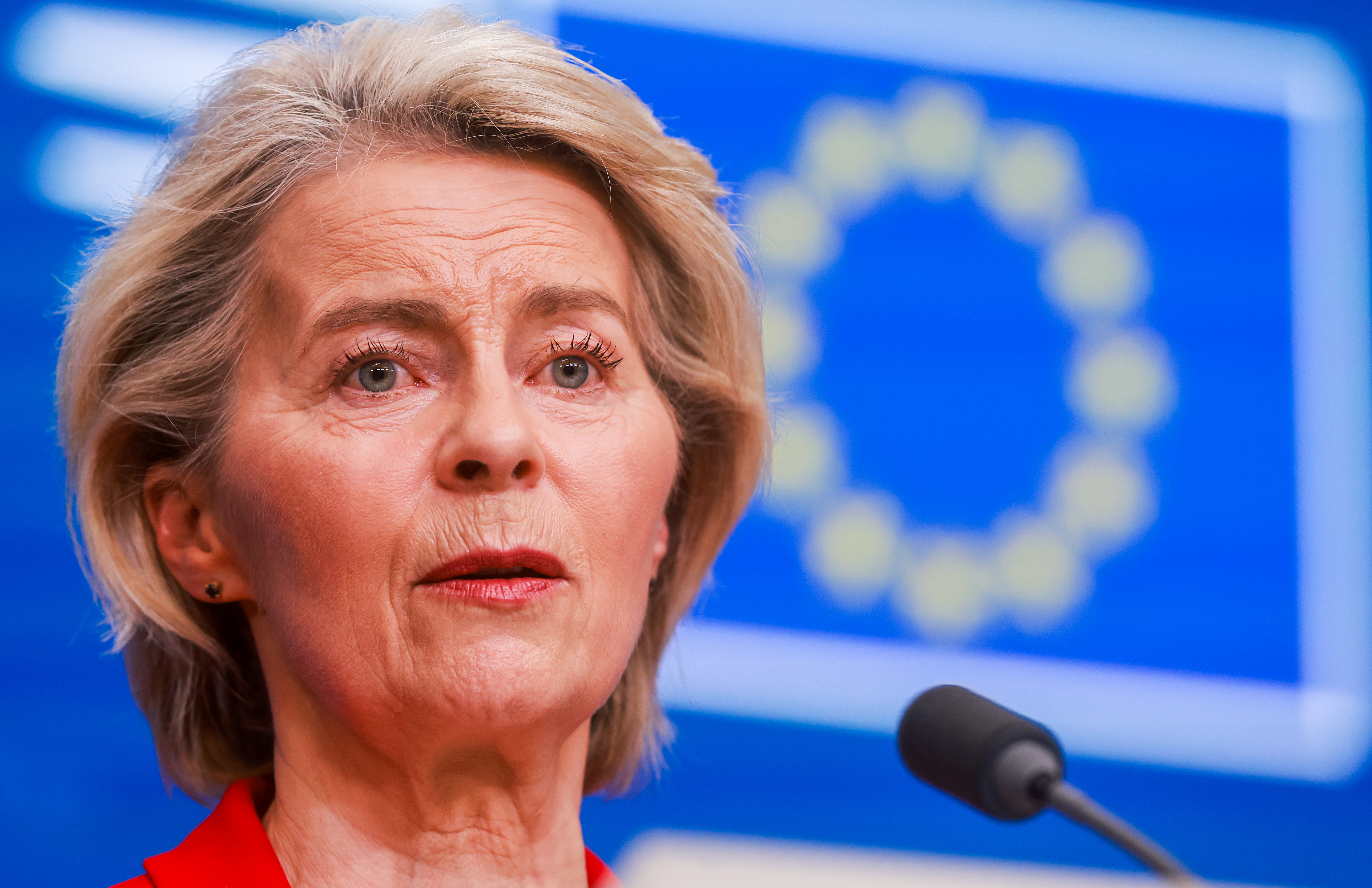
Ursula von der Leyen
OLIVIER HOSLET/EPA
After last week’s emergency European Council summit in Brussels, Ursula von der Leyen, president of the European Commission, said EU unity and engagement with the US “in a firm but non-escalatory manner” had been a success.
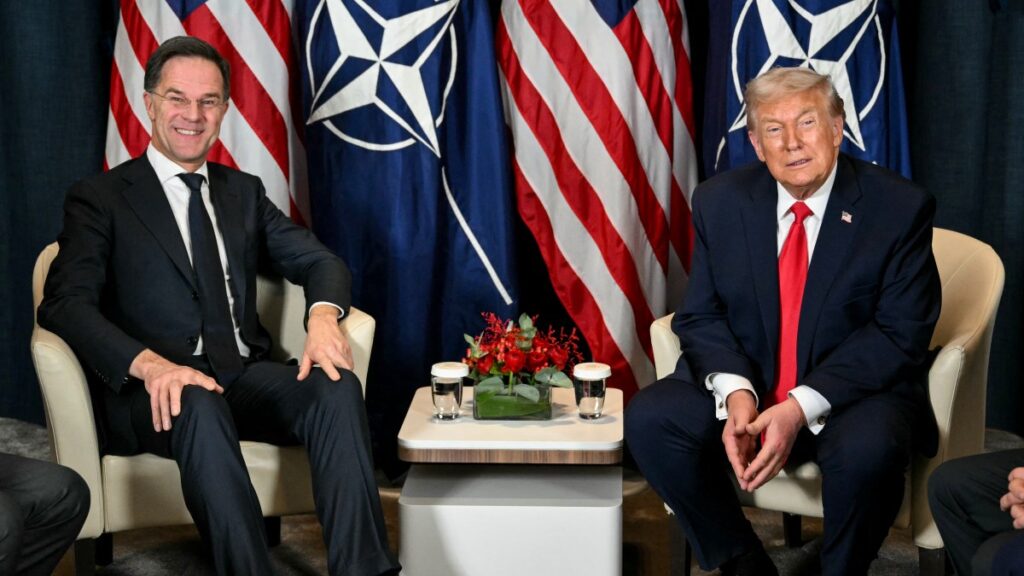
The meeting was convened after Trump threatened to impose 10 per cent tariffs on eight European countries that resisted a proposed US takeover of Greenland, a move he later abandoned following discussions with Mark Rutte, Nato’s secretary-general, in Davos.
Trump has since said he expects unlimited access to Greenland, despite withdrawing his threat to acquire the territory by force.
McGrath said that while there was no limit to the co-operation Trump could expect from the Danish and Greenlandic governments on security and defence matters, any agreement must respect international law and Greenland’s status as an autonomous territory within the kingdom of Denmark.
“We have historic agreements with the United States going back to 1951, and even within existing agreements there is underutilised scope for the US to do much more on the security and defence front in Greenland,” he said.
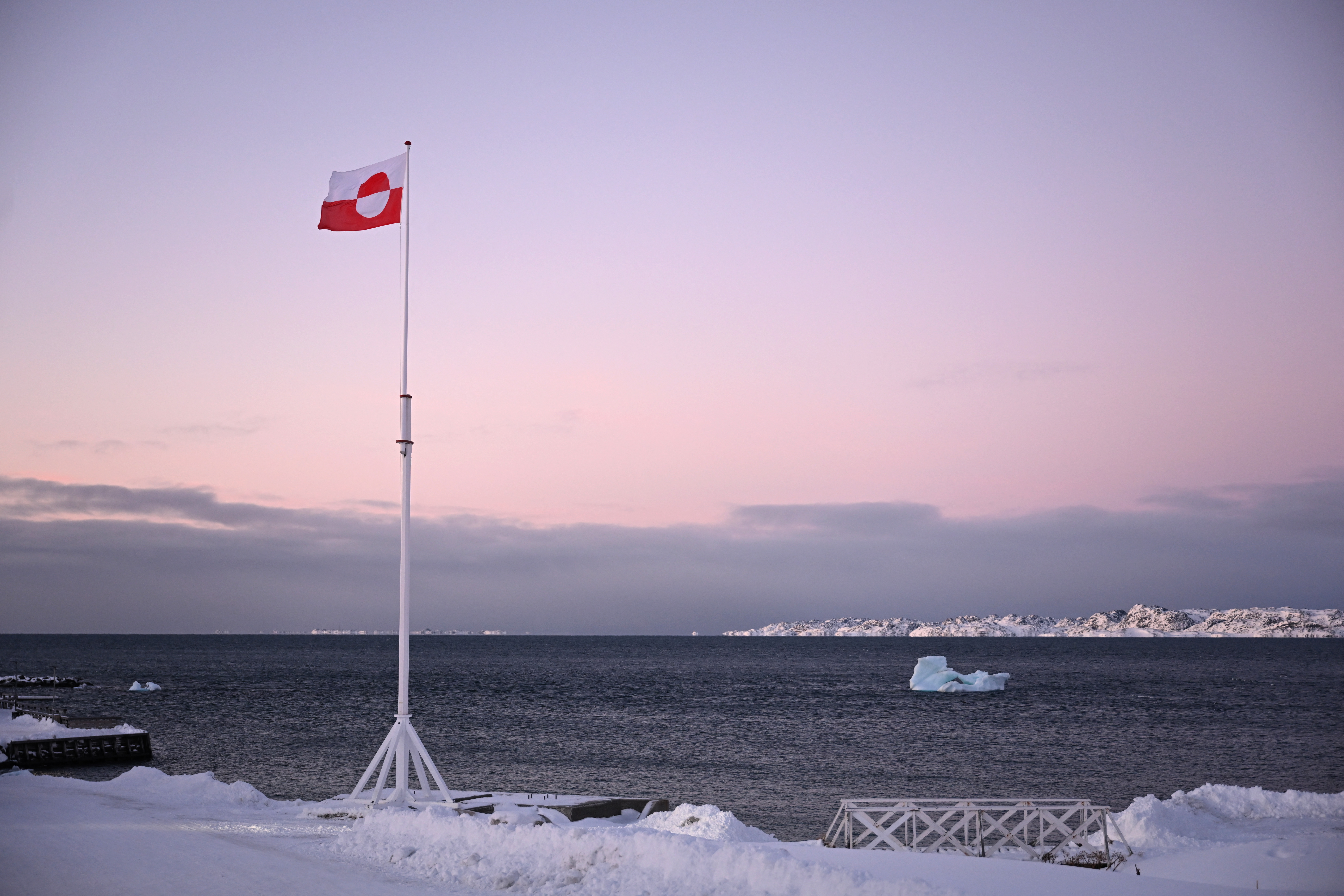
Residents of Greenland expressed alarm over the threats
JONATHAN NACKSTRAND / AFP VIA GETTY IMAGES
On Ireland’s defence capabilities, particularly before its EU presidency starting in July, McGrath said the country was making progress. “It’s certainly scaling up the level of investment, but is doing so in concert with its partners in the European Union, both through EU channels but also through its own bilateral arrangements, including with non-EU countries such as the United Kingdom.”
Asked whether Ireland was viewed as a weak link in European defence after decades of underinvestment, he said: “It would be wrong to underestimate the capability that has been developed by the Irish authorities, but the full co-operation and support of the European Union is available to assist Ireland and all other member states who are facing challenges.”
Under his brief at the commission, McGrath is responsible for justice, consumer protection and upholding the rule of law across the EU. He is also overseeing the development of the new European “democracy shield” aimed at combating disinformation, foreign interference and manipulation of information.
He warned that Ireland, like other EU member states, must remain vigilant against external threats, particularly from Russia. “The threat of Russian interference is most acute as you move closer to the eastern border of the EU, and indeed, countries such as Moldova, in their recent parliamentary elections, they would have experienced the full force of attempted Russian interference,” McGrath said.
“So the reality is that these threats don’t respect any borders, and don’t stop at any borders … Every country of the European Union needs to be alert to such threats.”
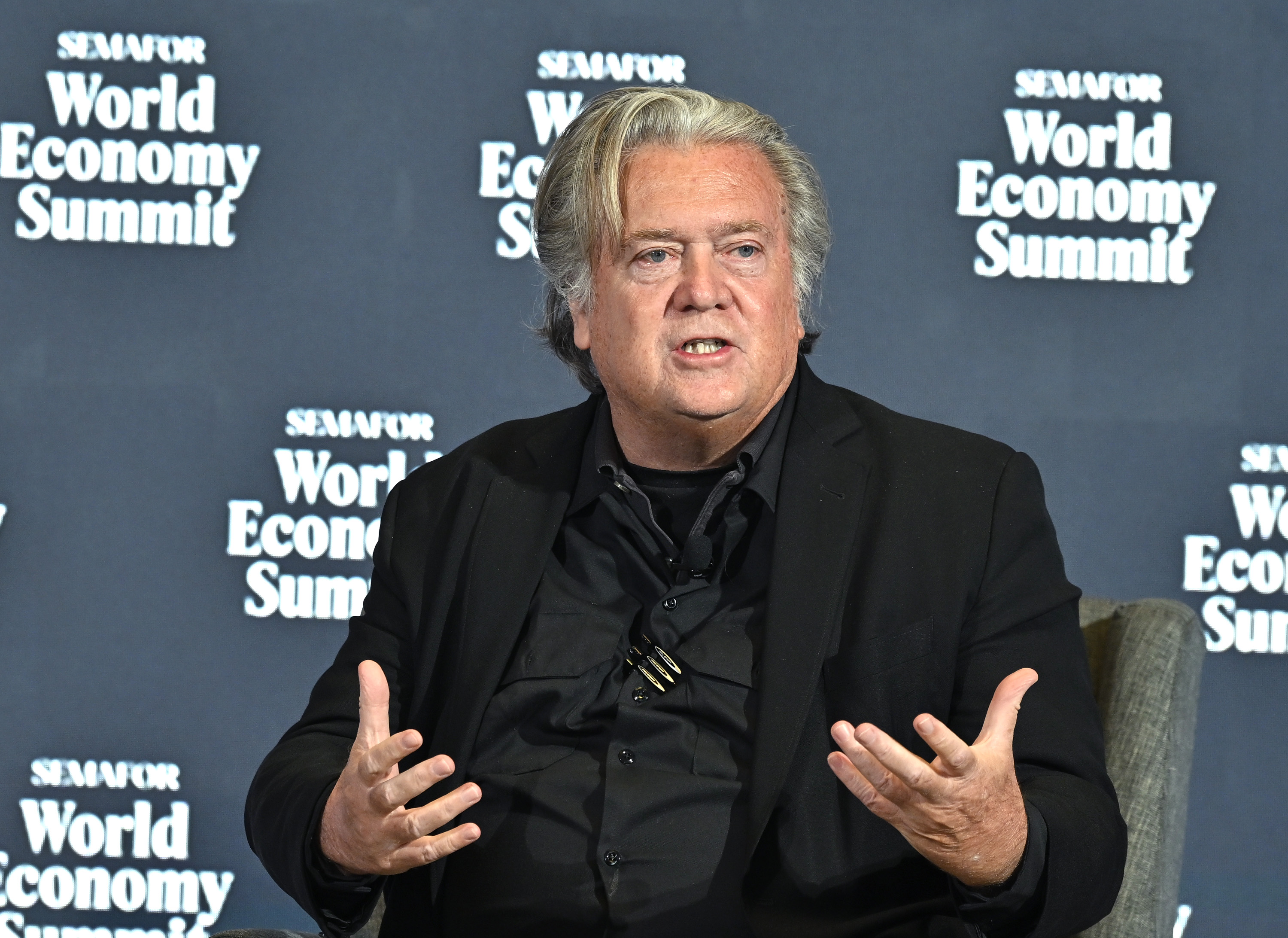
Steve Bannon
SHANNON FINNEY/GETTY IMAGES
Asked whether the commission regarded Steve Bannon, a former Trump adviser who has expressed interest in building a Maga-style political movement in Ireland, as a threat, McGrath said: “Mr Bannon and anybody else is entitled to have views on politics in Ireland or in any other EU member state, and indeed to become a political activist.
“That is their right. We have no issue with that, but we do have to make sure that our elections are free and fair, and that we do have robust defences in place to address any attempts at interference.”
The commission is also continuing its investigation into Grok, the artificial intelligence program created by X, which was generating undressed images of adults and children on Elon Musk’s social media platform.
McGrath said that while its investigation was at an advanced stage, he was not in a position to announce next steps. “The sexualisation of images of children is grotesque,” he said. “Everyone deserves to have their dignity protected and, as regulators, we will fulfil our responsibility working alongside all of the national regulators.”
The commissioner also said he would be publishing the EU’s Digital Fairness Act early to coincide with Ireland’s EU presidency and, while it was focused on consumer protection, it would also include online safety protection elements for children.