
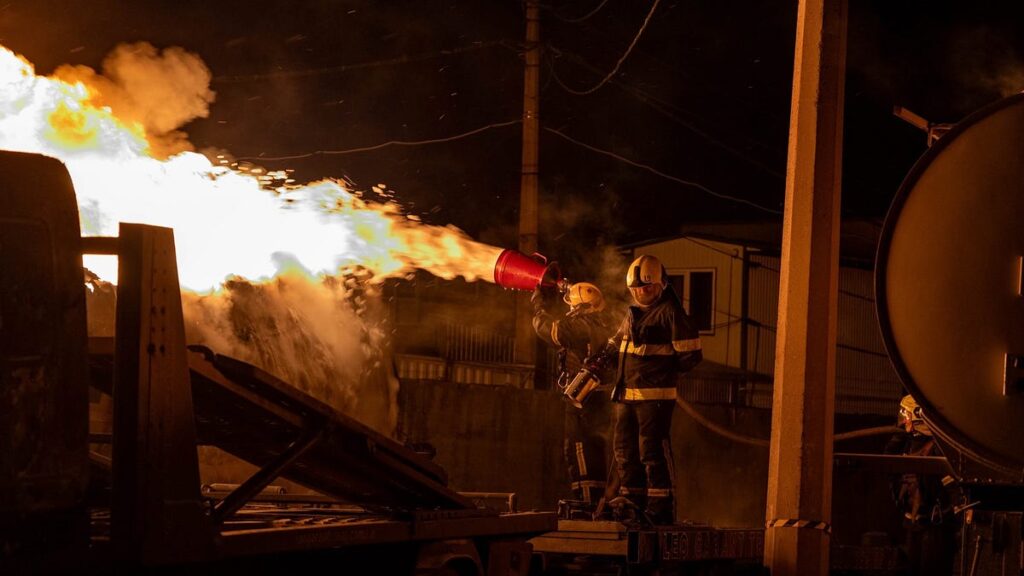
A so-called “paper” army, Soviet‑era approaches, excessive bureaucracy, and failures in supplying the front all prevent frontline troops from operating at maximum effectiveness. The system’s internal “hell” is another enemy — one that must be defeated as quickly as possible. Defence Minister Federov, 14 January 2026.
First up, my apologies for not getting an update published last week. I had a good excuse. I was in New Zealand visiting family and celebrating a relative’s 90th birthday.
The past week has seen an array of events that are indicative of the tumultuous, post-Pax Americana era we are living through. The current chaos, emblematic of the interregnum between the post World War Two order and a new global order yet to form, will probably continue for some time to come.
The threats against Greenland and Trump’s subsequent backdown, Iran’s ruthless suppression of protests and dissent without consequences, China’s normalisation of military aggression and economic coercion against its neighbours while most democracies continue to debate whether they can spend more on defence is the context against which we will all live our lives in the coming years – and possibly longer.
Welcome to this week’s edition of The Big Five.
And for all those who celebrate it, happy Australia Day tomorrow!
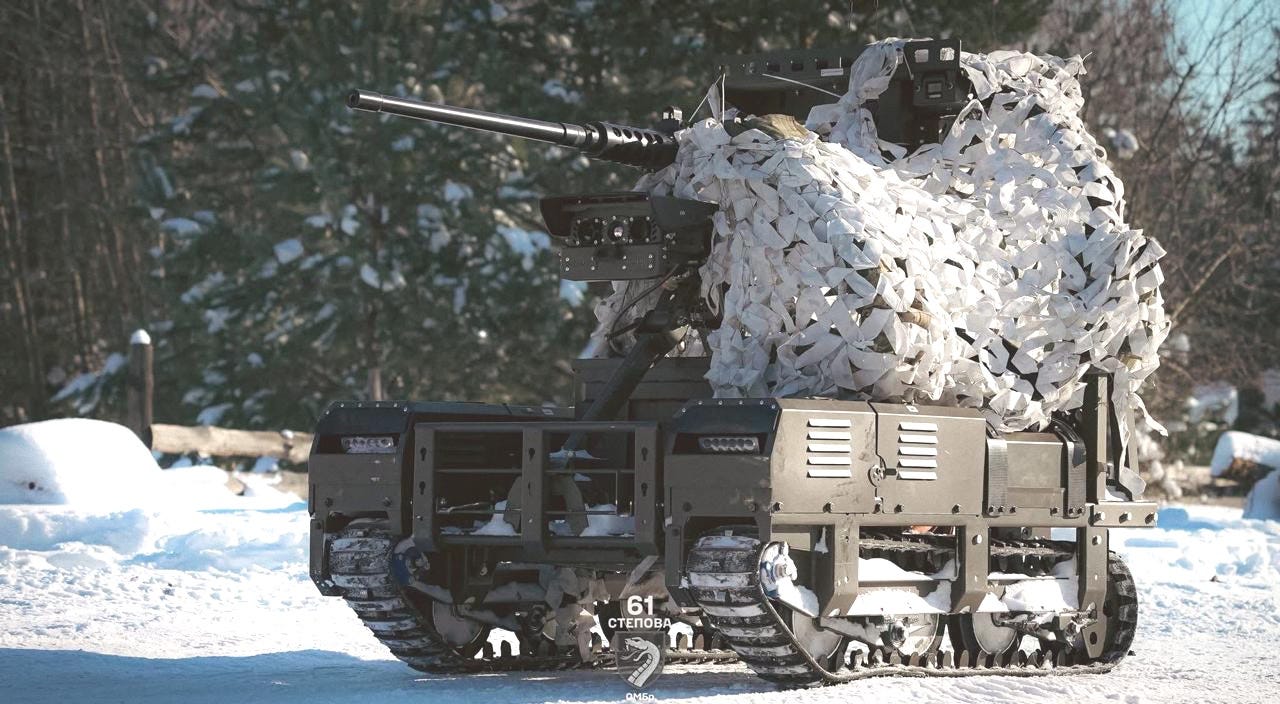
Davos Don Deterred? After an aborted flight to Davos, the U.S. President finally arrived to mingle with Prime Ministers, Presidents, billionaires and wannabes at Davos, and gave a much anticipated speech. While there were no big surprises from the speech, it contained some key themes which confirm the Trump administration’s view of the world and America’s place in that world:
-
America is treated unfairly by NATO. The exact quote was “The US is treated very unfairly by NATO. We give so much and we get so little in return.” Which is true if you don’t count decades of peace and stability in Europe, massive two-way trade that has enriched America, European support for America’s war in Afghanistan and the large numbers of casualties European nations suffered, enacting NATO Article 5 on 9/11, etc. While Europeans have underspent on defence for a while, this sense of unfairness from Trump is without any foundation.
-
America needs to own Greenland. This is a specious argument, and totally without factual basis. The U.S. military is permitted to do pretty much whatever it needs to do in Greenland for the defence of the American homeland and support the defence of sea and air lanes between North America and Europe.
-
More criticism of Europe. This is one of the foundations of Trump’s administration. No surprises here.
-
Chinese windmills in Europe. This is where the speech veered into ‘strange and uncomfortable’ territory. The exact quote: “One thing I’ve noticed is that the more windmills a country has, the more money that country loses and the worse that country is doing.” Interestingly, installation of wind turbines in the United States is expected to surge in 2026.
Fortunately however, it appears that the quick action by Europe to deploy small military forces to Greenland, and to use diplomacy and other means, has led the American president to back down, at least for now, in his threats of force to take Greenland. That said, he only undertook to not use ‘excessive force’.
Trump also met with Ukraine’s president at Davos. Both sides described it as a good meeting. However, key documents that were to provide the foundation for Ukraine-America agreements on post-war security and reconstruction were not signed as expected.
Zelenskyy Critiques Europe. To wrap up Davos events, the Ukrainian president gave a speech at Davos that not only exhorted Europe to action but roundly criticised them for not acting quickly enough to support Ukraine or deter Russian aggression. As Zelenskyy stated in his speech:
Just last year, here in Davos, I ended my speech with the words: “Europe needs to know how to defend itself.” A year has passed – and nothing has changed.
While Zelenskyy’s frustration is understandable, Europe has changed significantly over the course of the war, and has increased its military, economic and intelligence support to Ukraine. Does Europe need to make decisions faster? Absolutely. Is Zelenskyy’s speech the road to achieving this? I am not sure. But I don’t think Zelenskyy would have said these words if he felt there were other methods left to get European nations moving more quickly.
Finally, while at Davos Zelenskyy also made entertaining comments about Greenland and Russian ships. He stated that:
If Russian warships are sailing freely around Greenland, Ukraine can help – we have the expertise and weapons to ensure not one of those ships remains. They can sink near Greenland just as they do near Crimea. No problem – we have the tools and people. If we were asked, and if Ukraine were in NATO – but we are not – we would solve this problem with the Russian ships.
Who says you can’t be a wartime president and not have a sense of humour. You can watch the video below:
Ukraine Peace Talks. A second round of trilateral discussions between Ukraine, America and Russia on a war termination agreement concluded in the past 24 hours. Zelenskyy issued a statement on the talks which included the following comments:
This was the first format of this kind in quite some time: two days of trilateral meetings. A lot was discussed, and it is important that the conversations were constructive…The central focus of the discussions was the possible parameters for ending the war. I highly value the understanding of the need for American monitoring and oversight of the process of ending the war and ensuring genuine security.
The American side raised the issue of potential formats for formalizing the parameters for ending the war, as well as the security conditions required to achieve this. As a result of the meetings held over these days, all sides agreed to report back in their capitals on each aspect of the negotiations and to coordinate further steps with their leaders. The military representatives identified a list of issues for a potential next meeting. Provided there is readiness to move forward – and Ukraine is ready – further meetings will take place, potentially as early as next week.
At first glance, this doesn’t appear to offer much progress. But, at least all sides are now talking which provides the foundations for more talks to end the war. However whether this format can produce an enduring solution, rather than a temporary ceasefire, remains to be seen.
The uncertainty in whether this trilateral format will result in any breakthroughs is largely due to the conduct of Russia. The Russians have not changed their position at all. They have demanded the same territorial concessions that they began the war with. And given the language in the new U.S. National Defense Strategy about Russia (which describes Russia as a “persistent but manageable threat to NATO’s eastern members”), and Trump’s unwillingness to really want to hurt or coerce Russia, Putin clearly believes he can continue with this line of demands for some time to come.
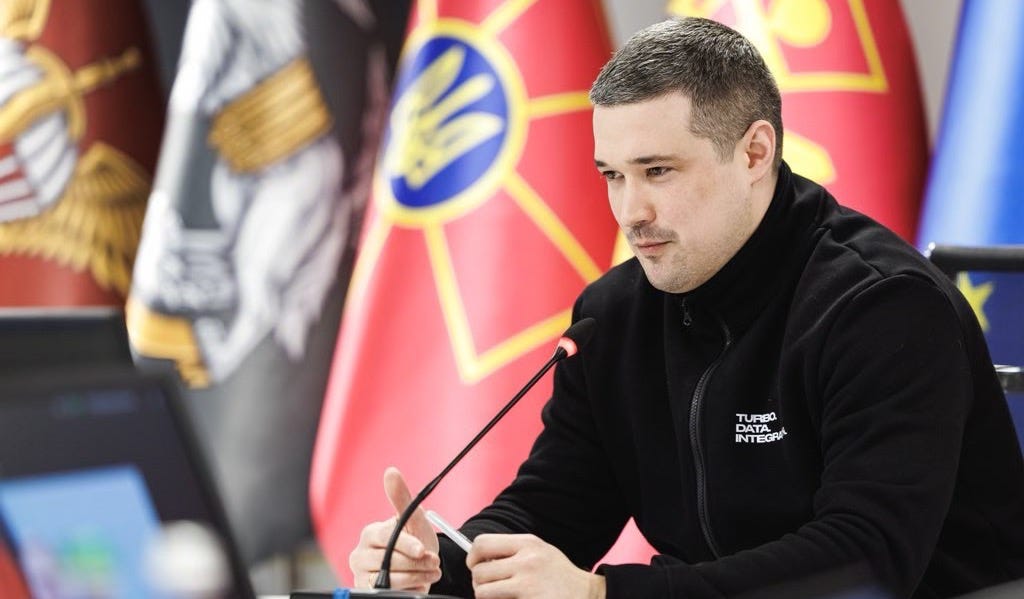
Ukraine’s New Defence Minister: Increasing Russian Casualties. This week, Ukraine’s new Defence Minister, Mykhailo Fedorov, gave a wide ranging interview about what he sees as his main objectives in the coming year. He kept it simple; there are two over-arching goals he seeks to achieve in 2026.
The first is to reform the management of the Defence Ministry. As someone who has led innovation in government and the private sector, seen from the outside the corruption scandals in the Defence Ministry during the war, and was responsible for the creation of Brave1, this is a laudable goal. Fedorov stated in the interview that:
We want to change the paradigm that the Ministry of Defense is only about procurement and supply. It is also about civilian oversight and coordination. We need the right dialogue and the right synchronization. We must set the right tasks. A system without them begins to fail. That is why management is the first priority. Management must be built around those capable of achieving defined goals. If people don’t demonstrate measurable results, they can’t remain in the system.
The second strategic objective set by Fedorov was that in 2026, Ukraine seeks to drastically increase the casualties that it imposes on Russian forces. As he stated in his interview:
The second strategic objective is to kill 50,000 Russians per month. Last month, 35,000 were killed; all these losses are verified on video. If we reach 50,000, we will see what happens to the enemy. They view people as a resource, and shortages are already evident.
To provide context for these comments, cumulative Russian casualties in the war currently stand at around 1.1-1.2 million. The British Defence Intelligence regular update on this issue on 15 January 2026 published a figure of 1.213 million Russian casualties.
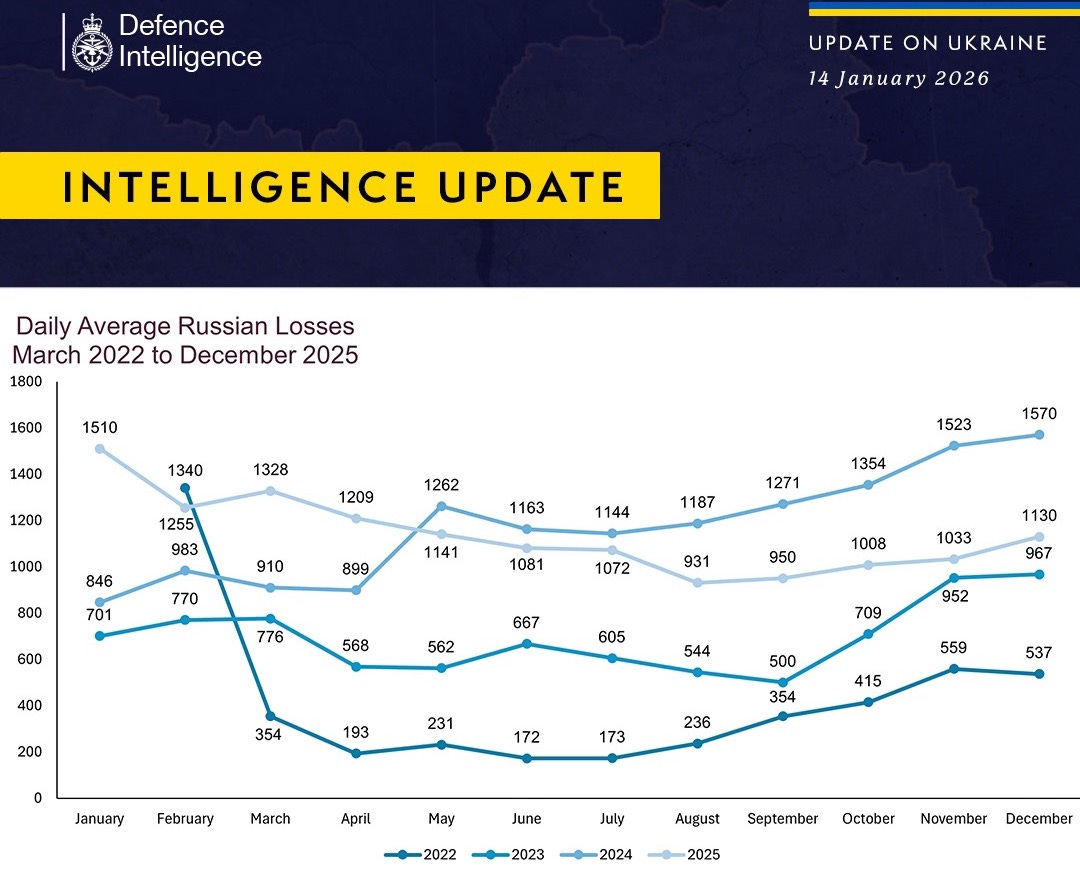
President Zelenskyy periodically releases casualty estimates and other nations have offered estimates of Ukrainian military casualties (many civilians have also been killed and wounded by Russia). These estimates sit around the 4-500 thousand figure.
Thus, there is currently a 1:2.5 casualty ratio. With Ukraine fighting a country with four times its population, and Russia is willing to sustain higher casualty rates, this is a pathway to doom for Ukraine. Thus, Ukraine needs to change this ratio, and that is the core of Defence Minister Federov’s mission in 2026.
Killing more Russians would have impacts at multiple levels of this war:
-
At the tactical level, it compounds their reinforcement problem, hurts rotation plans for units, and should force them to consolidate the number of axes of advance they can sustain over time.
-
At the operational level, it could force the Russians to focus primarily on one front rather than four they currently sustain across Ukraine (north, north east, south east and south).
-
Strategically and politically, it degrades Putin’s narrative of inevitable victory, which become untenable if casualties in 2026 are the highest of the war so far. It also demonstrates that Ukraine is willing to step up its efforts to win, and therefore so should Europe and other supporters of Ukraine.
Linked to this will have to be reforms to recruiting and mobilisation. In the past two weeks, the new Defence Minister described how the Ukrainian military was faced with 200,000 troop desertions and draft-dodging by around 2 million people.
The personnel challenge – recruiting and training people of sufficient numbers and getting them to the right units at the right time – is a challenge for any military institution in peace and war. And Ukraine has significant demographic challenges. But, the fact remains. Ukraine needs to address this challenge in 2026. While drones in the air and on the ground help, they can never fully replace humans in many battlefield functions.
In a recent analysis of Ukraine’s manpower challenges for the Kyiv Independent, journalist Francis Farrell wrote that:
The strain on the army is being felt in the form of larger and larger weak points opening along the front line, while sectors that for years had been locked down with a stable defense are now becoming the sites of fresh Russian advances.
Since the hectic first hours of the full-scale war, Ukraine’s key advantage over Russia has always been its people. Now, the manpower question will likely make or break this fight.
This is an enormously challenging issue from political and societal perspectives. While it needs to be addressed, a solution in the coming year will be difficult to achieve.
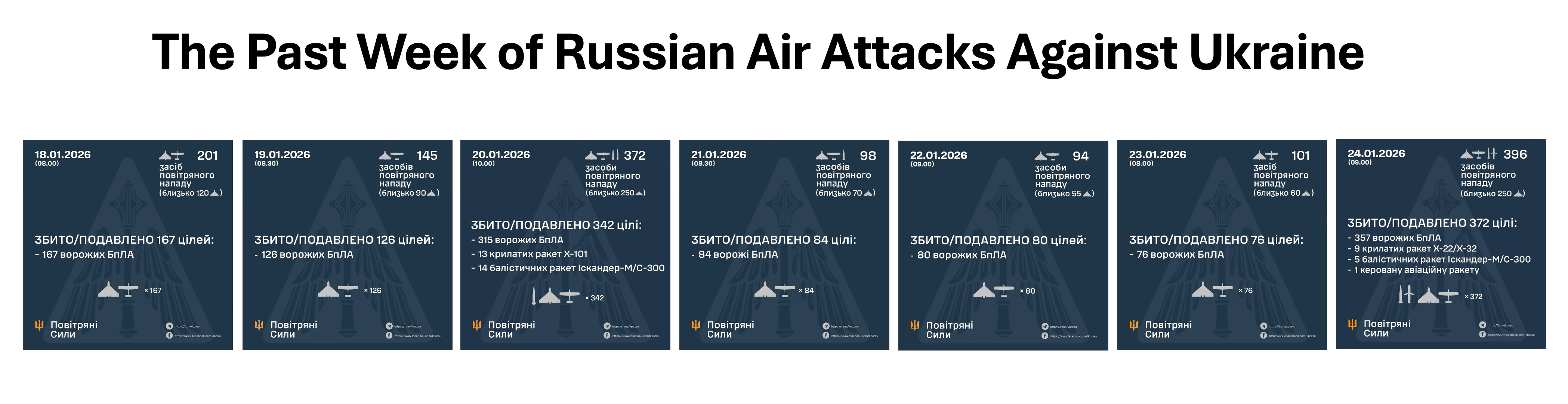
Russia’s Aerial Strike Campaign. Russia conducted large strikes again this week against multiple targets in Ukraine. Key targets were parts of the energy production and distribution network, although civilian targets were also struck. One of the largest strikes occurred on the evening before the latest round of peace talks. This strike, employing nearly 400 drones and missiles, resulted in power cuts to nearly 80% of Ukraine.
Another Two Bite the Dust. The PLA Purges continue, with two more senior military personnel placed under investigation this week. China’s Central Military Commission (CMC) Vice Chairman Zhang Youxia and Joint Staff Department Chief of Staff Liu Zhenli were reportedly being investigated by the CCP for suspected “serious violations of discipline and law.”
Zhang is the most senior Vice Chairman on the CMC and is essentially President Xi’s number two. Zhang’s removal is notable because he is a war veteran, the son of a founding PLA general and was seen as one of Xi’s longest-serving allies in uniform. As one report noted, “Zhang had widely been seen as politically secure – even untouchable – within the armed forces.”
Liu, under the military structural reforms carried out in the past decade, now commands PLA operations and the activities of its joint theatre commands.
A post by China analyst Lyle Morris highlighted the reasons for their investigation that was published in the PLA Daily:
Zhang Youxia and Liu Zhenli, as senior cadres of the Party and the military, seriously betrayed the trust and expectations of the Party Central Committee and the Central Military Commission, severely trampled on and undermined the Chairman of the Central Military Commission’s responsibility system, seriously fostered political and corruption problems that undermined the Party’s absolute leadership over the military and threatened the Party’s ruling foundation, seriously damaged the image and prestige of the Central Military Commission, and severely impacted the political and ideological foundation for unity and progress among all officers and soldiers. They caused immense damage to the military’s political building, political ecology, and combat effectiveness, and had an extremely negative impact on the Party, the country, and the military.
In a piece for FT, analyst K. Tristan Tang notes that: “the investigations probably reflected concerns over slow progress in building combat capability and inefficient use of defence resources under their leadership.” And in a separate analysis for the Jamestown Foundation, Tang describes the impact of such purges:
The past year has seen significant personnel changes within both the CMC and the Eastern Theater Command. These purges likely disrupted operational patterns and reduced the intensity of gray-zone coercion.
There are some interesting conspiracy theories going around about Zhang in particular. I won’t repeat them here. But there are sure to be more detailed analyses of subject in the coming week.
The removal of these two officers could indicate a few different things going on in Xi’s mind. First, he probably still has trust issues with the PLA and is concerned over whether it is sufficiently loyal to him. This loyalty would be even more important if the event of a Taiwan military campaign, especially if it does not go well and the legitimacy of the CCP is called into question.
Another concern of Xi’s which has been raised by some China analysts is that he has done this because reforms in the PLA are not moving fast enough. Given the speed at which the global security environment is moving, and the growing concerns that the Trump administration may not be willing to defend Taiwan, Xi is probably keen to ensure that it is capable of exploiting any window of opportunity to strike Taiwan in the coming year or two.
Might Xi see 2026 as the year of decision with the regards to Taiwan?
The Pacific and the New U.S. National Defense Strategy. On Friday night, Washington DC time, the Pentagon released its new National Defense Strategy (NDS).
Related to China, the document notes that “although we are and will remain engaged in Europe, we must—and will—prioritize defending the U.S. Homeland and deterring China.” It also states the following:
The NSS directs DoW to maintain a favorable balance of military power in the Indo-Pacific. Not for purposes of dominating, humiliating, or strangling China. To the contrary, our goal is far more scoped and reasonable than that: It is simply to ensure that neither China nor anyone else can dominate us or our allies.
The part of the new NDS that covers increasing burden sharing with allies (Line of Effort 4) does not have a specific section on the Asia-Pacific region (except the Korean peninsula). Taiwan is not mentioned at all in the document. In doing this, the strategy avoids any discussion about the defence of Taiwan and keeps Trump’s options open with Xi.
While the document commits to erecting “a strong denial defense along the First Island Chain”, whether this chain includes Taiwan remains uncertain.
The strategy also avoids getting into any fights with Asia-Pacific allies on their defence spending. This is a different approach to the administration’s relations with Europe. I think this is a shame – too many of us continue to shirk our responsibilities. Yes, that includes Australia.
As I noted in my initial assessment of the document, it is hard to know exactly where the Trump administration is headed with China. The document states that America desires “a decent peace.” Fair enough. It also states America does not want confrontation.
The challenge however is that China is already on a war footing with America and its allies. The CCP has been executing large-scale cognitive warfare and massive industrial espionage against America and its allies for two decades. These are not mentioned at all in the document.
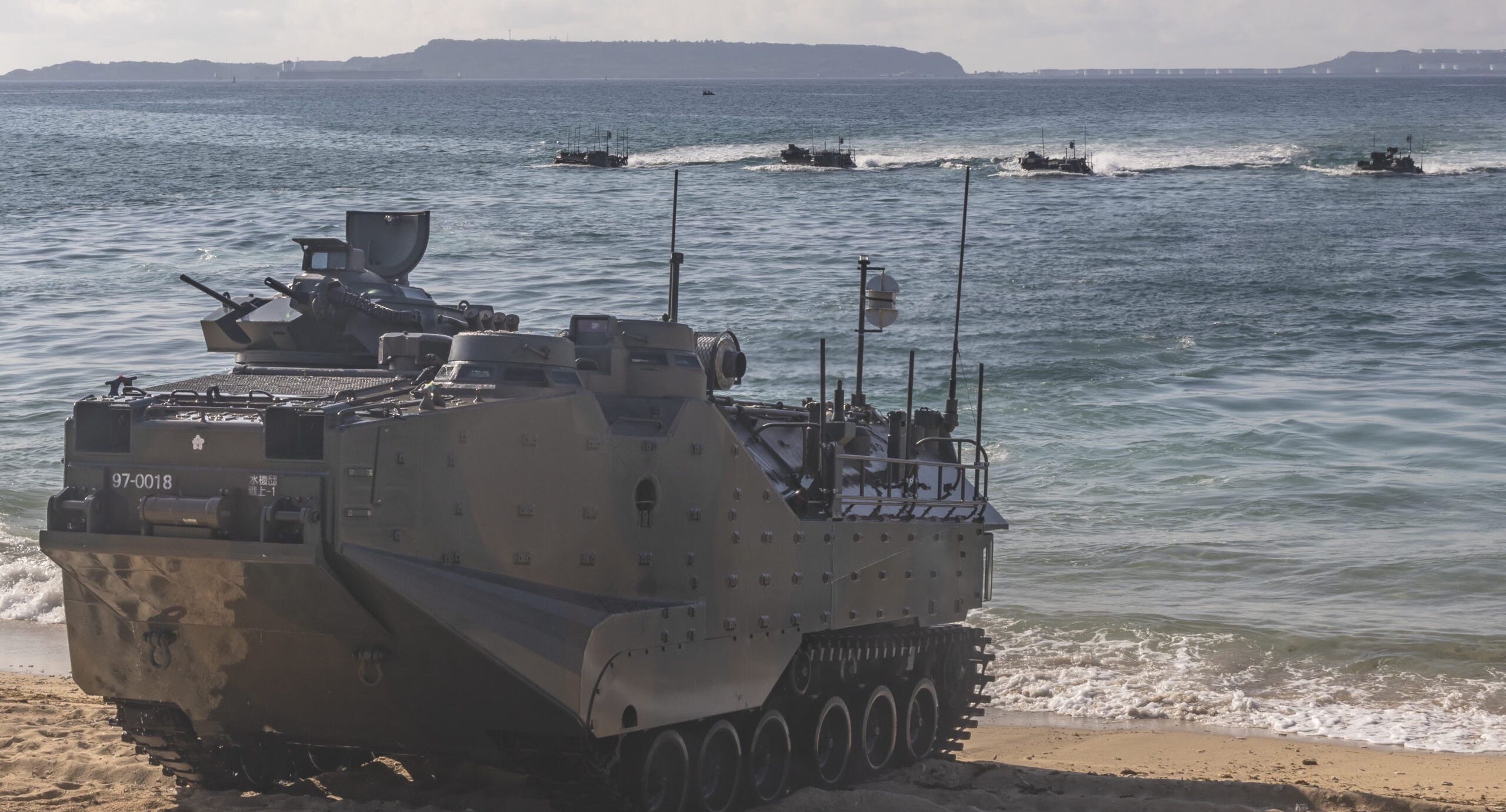
Japanese To Exercise Near Taiwan. This week, the Japan Ground Self-Defense Force (JGSDF) announced dates for its annual “Iron Fist” exercises in Okinawa. The exercise will be conducted from 11 February until 9 March 2026. It is a bilateral exercise, and will feature the participation of approximately 1,550 JGSDF as well as forces from the U.S. Marine Corps, including marines from the 31st MEU. The training will incorporate joint air assault and amphibious warfare activities on Okinawa, Tanegashima and/or Amamioshima Islands.
*******
It’s time to explore this week’s recommended readings.
In this week’s Big Five, I have included a couple of articles that review the changing role of America in the global security architecture as well as how the world is responding to these changes. There is a good piece on China’s anti-alliance strategy and an assessment of China’s warfighting capacity. Finally, there is an article which explores the appointment of the new Ukrainian defence minister.
As always, if you only have the time available to read one of my recommendations, the first is my pick of the week.
Happy reading!

In this piece, the author proposes that “someday, similarly, we will tell our children about the month of January 2026 in world politics, and they will not be able to fathom what we did to ourselves”. It is a sombre and apt description of how the era of Pax Americana ended, and how we now exist on an ocean of uncertainty until a new global security architecture emerges. You can read the article here.

In this piece, Hal Brands examines how different nations are responding to the rapid and ongoing changes in the global security environment. As he notes in his article, “Trump, for his part, punishes those that defy him. He has demanded that allies buy more US weapons while pledging to sanction those who seek to limit dependence on the dollar. The world will enter an age of terrible instability if new security, economic and political structures don’t arise before the old ones are hollowed out. For that reason, the hedging will intensify in 2026.” You can read the full article at this link.
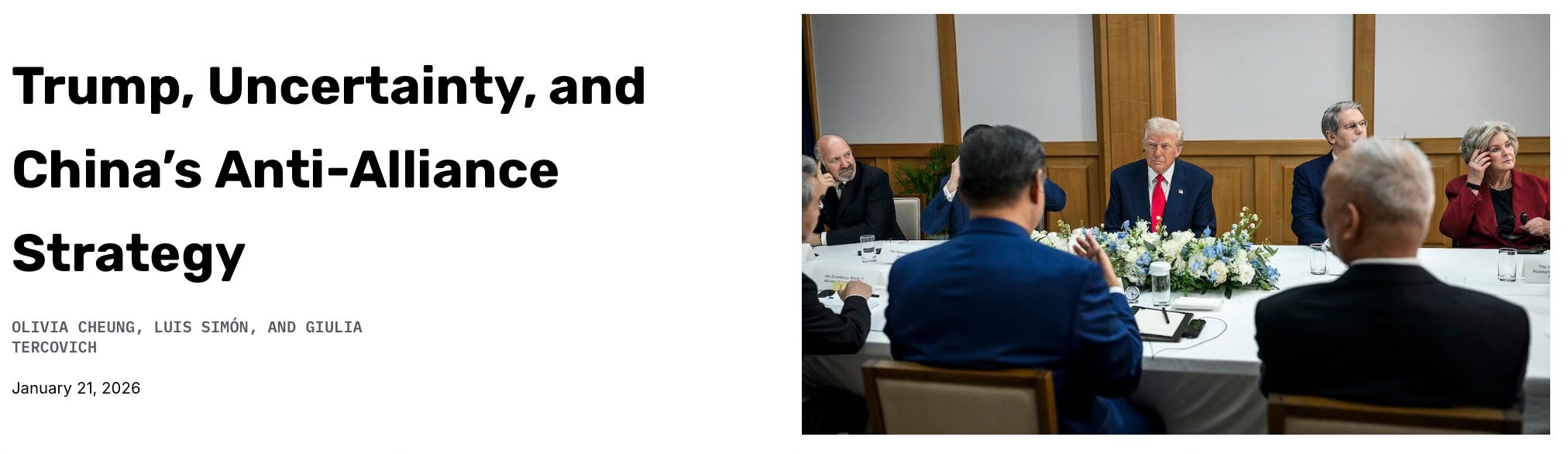
In this piece, the authors examine how China is executing a global strategy to break down alliances which it sees as hostile to its national interests. Most importantly, it is focussed on America’s alliances. As the authors note: “China’s strategy does not aim at dramatic alliance rupture. More attainable — and more valuable —outcomes include hesitation, fragmentation, and drift.” The full article is available to read here at War on the Rocks.
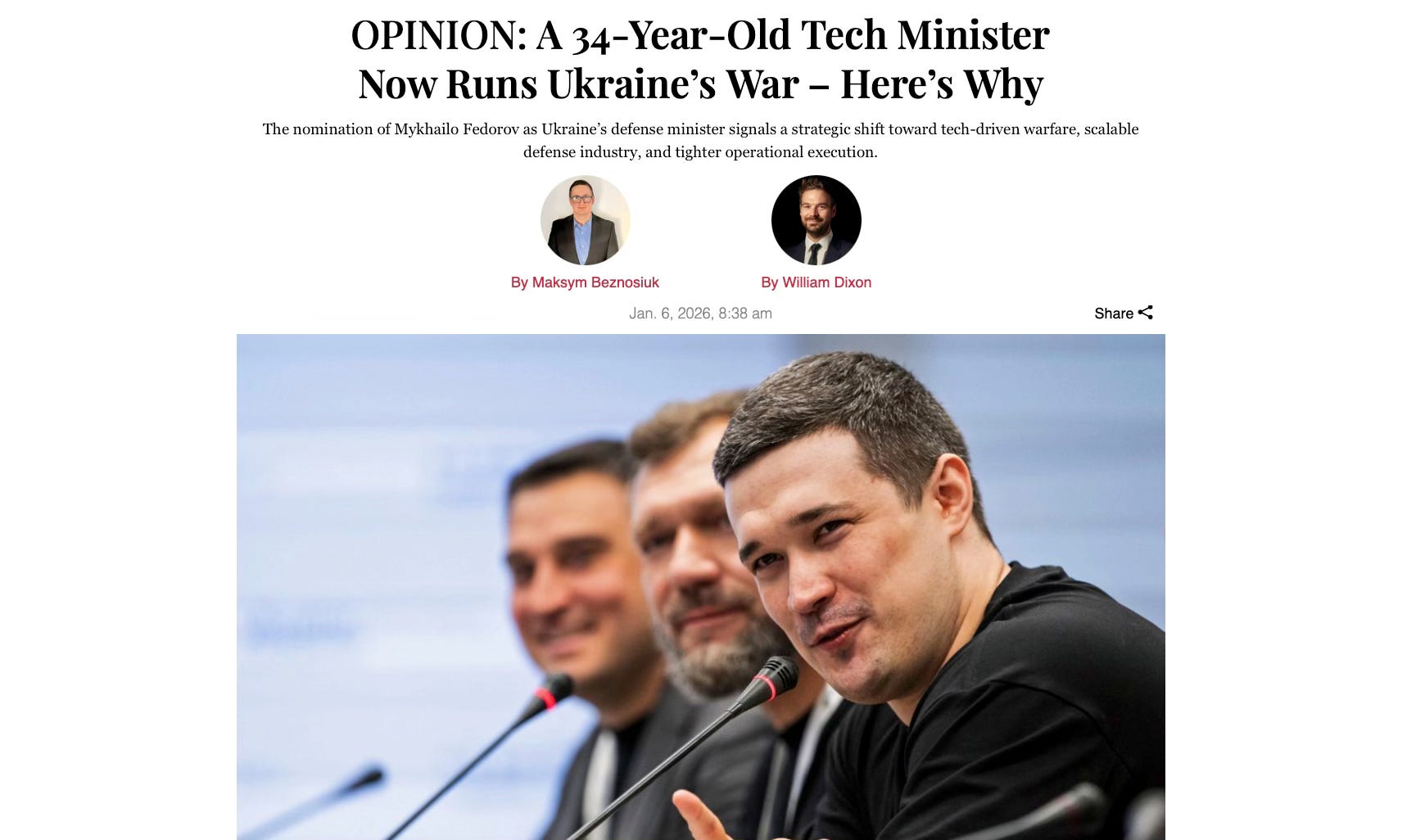
In this opinion piece from the Kyiv Post, the authors examine why it is has been a good decision to install Mykhailo Fedorov as Ukraine’s new defence minister. Just 34 years old, Federov has already had a successful tenure as a minister in Zelenskyy’s government and maintains a high level of public trust. But as the authors note, there are challenges ahead: “Fedorov’s challenge is execution. Can Ukraine’s improvised wartime innovation survive contact with peacetime bureaucracy? Can transparency initiatives withstand the pressures of a grinding attritional war?” You can read the full article here.
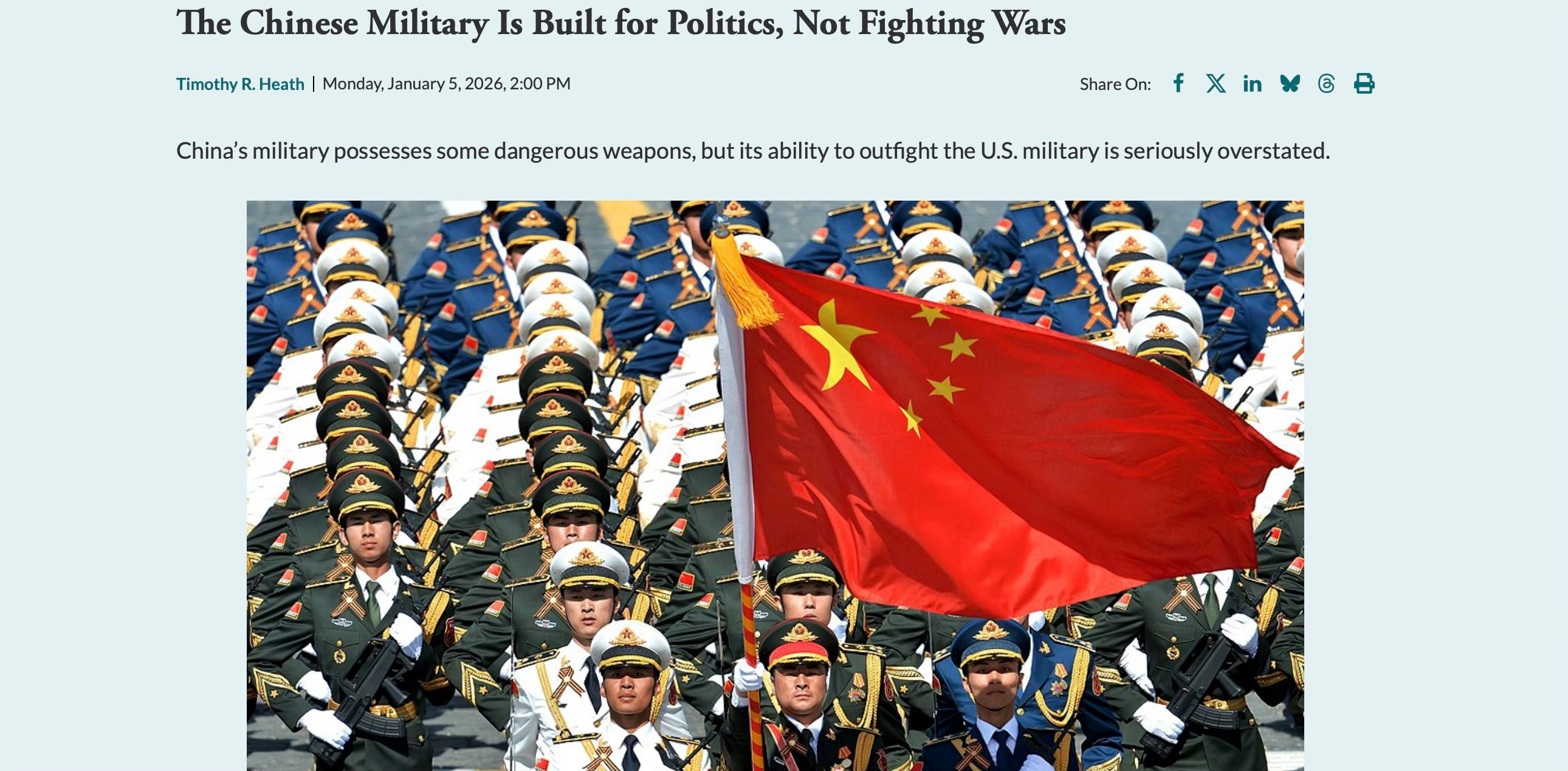
This article has an interesting thesis about Chinese warfighting capacity. My sense, and this is gut feel only, is that there might be something to this. The Chinese ethos of ‘winning without fighting’ must have an impact on their willingness and ability to do so. Are they really able to accept mass casualties over time? I could be wrong, but I think this is an interesting argument worth pursuing with experts in Chinese political culture and society rather than just military experts. You can read the full article at this link.