
Breakthroughs in Ukraine-Russia territorial disputes remain unlikely, experts say, with decisions likely to be postponed, giving Russia room to issue ultimatums.
At the Abu Dhabi talks, both Ukraine and Russia were primarily represented by defense and military leadership, making any political breakthrough unlikely from the outset. According to security expert Rainer Saks, discussions this time focused on military-technical measures to be implemented following a ceasefire or peace agreement.
“In other words, how to separate the forces, establish buffer zones, monitor the situation and deconflict if necessary. These are the kinds of measures typically agreed upon in such cases. The world hasn’t seen a conflict of this scale in a long time, so there are questions that may be getting addressed for the first time,” Saks said.
No progress has been made on territorial issues and Saks believes any compromise will likely come at the very end of negotiations. Russia continues to demand that Ukraine surrender areas of Donbas it has not yet occupied — a demand Ukrainians categorically reject.
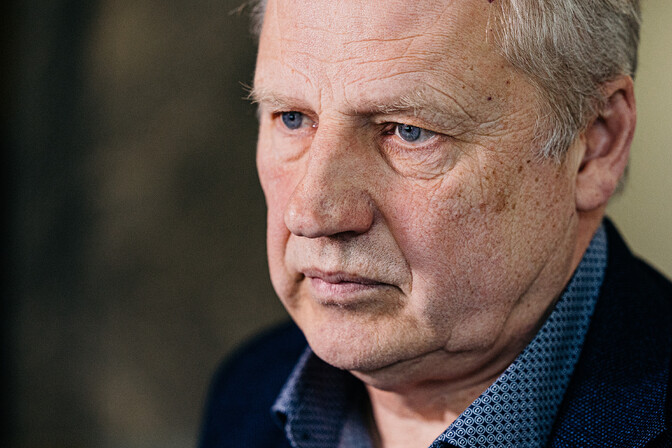
“The Ukrainians I speak with — who are of course highly motivated and strongly committed to reclaiming their country’s territory — don’t see any possibility of giving up land. At least not to the extent Russia is currently demanding,” said former Estonian Defense Forces Commander Martin Herem.
Herem added that Russia is trying to pressure Ukraine into concessions by attacking critical infrastructure, but he doubts the strategy will succeed. He believes Ukraine will find relief as winter passes.
“If Ukraine makes it through January and February and we reach March and April, the advantage shifts to Ukraine, not Russia. I don’t think the Russians can achieve much more. Their front-line units are battered,” said Keith Kellogg, a former U.S. special envoy to Ukraine.
Ukraine’s investments in technology may begin to yield results, but Saks said real progress would require more successful strikes against Russian missile systems and heavier losses inflicted on Russian forces.
“If Ukraine can manage that, we may see a sharp drop in Russia’s motivation to continue the war. But that doesn’t mean Ukraine will quickly launch a counteroffensive to liberate large areas — that’s still impossible to predict,” said Saks.
He added that poor U.S. mediation tactics and reduced military aid have created space for Russia to exert pressure. At this stage, Moscow’s interest lies mainly in keeping negotiations going in some form.
—