
Published on
January 25, 2026
Despite facing challenges with corruption, destinations like Thailand, Mexico, Egypt, Greece, Morocco, and Indonesia remain top choices for millions of tourists each year. While these countries may struggle with corruption at various levels, they continue to provide safe and memorable experiences through robust tourism infrastructure, welcoming local cultures, and ongoing efforts to ensure the safety of visitors. From Thailand’s stunning beaches to Egypt’s ancient wonders, these destinations have proven resilient, offering travelers unforgettable experiences while navigating complex political and social landscapes.
Corruption and tourism may not seem like an obvious pairing, yet some of the most politically troubled nations continue to attract millions of visitors each year. It’s an intriguing contradiction—despite the headlines about political scandals, corruption, and governance issues, these countries remain on the travel itineraries of millions. Tourists continue to flock to these destinations, often oblivious to the deeper issues beneath the surface. This reality raises questions about the relationship between corruption and the safety or experience of tourists.
Mexico, ranked 126th out of 180 nations on Transparency International’s 2023 Corruption Perceptions Index with a score of 31 out of 100, remains one of the world’s most visited countries. Despite widespread corruption, which includes bribery, embezzlement, and cartel influence in certain regions, Mexico’s top tourist destinations continue to see strong visitation. Iconic cities like Cancún, Playa del Carmen, and Puerto Vallarta welcomed over 42 million international visitors in 2023. Tourism accounts for 5% of the nation’s GDP, according to the World Travel and Tourism Council, making it an essential component of the economy. Although corruption is pervasive, it often operates behind the scenes in areas that do not directly affect tourists. This separation between the governance issues and the tourism experience allows travelers to continue enjoying their vacations largely unaffected by the country’s systemic problems.
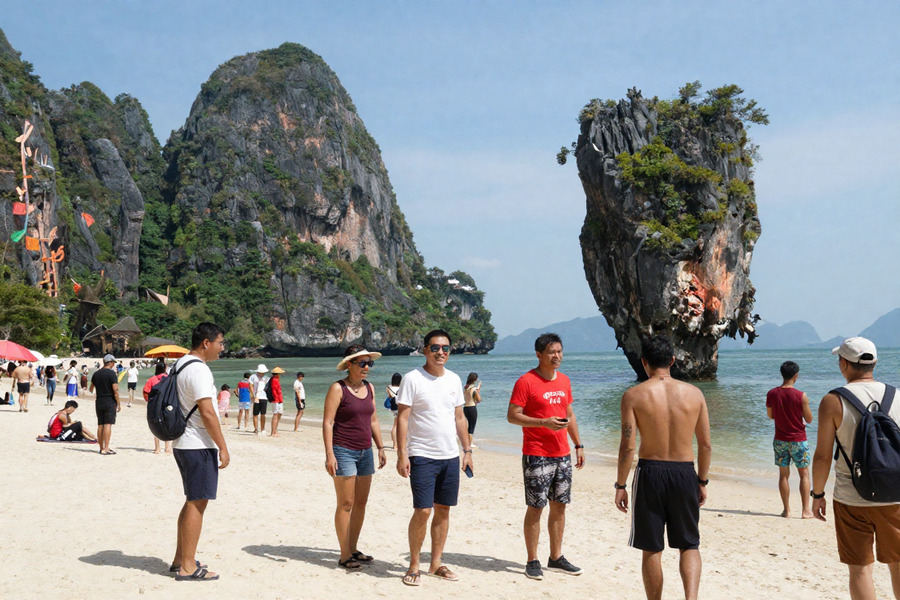
Thailand is another example. With a score of 36 on the 2024 Corruption Perceptions Index, Thailand faces challenges related to corruption, including police bribery and manipulation of government contracts. However, despite these issues, Thailand remains Southeast Asia’s tourism powerhouse, attracting millions of visitors annually. The country is expected to receive around 28 million visitors in 2024. In Thailand, corruption is often experienced by locals in their daily lives, such as through informal “fees” to avoid traffic fines. For tourists, these issues rarely become an inconvenience. The government has actively worked to protect its tourism sector from the worst impacts of corruption, recognizing that the industry contributes nearly one-fifth of the country’s national income. As a result, many tourists find themselves enjoying Thailand’s vibrant culture, beaches, and historical sites without encountering the issues that plague other sectors of society.
Advertisement
Advertisement
Advertisement
Advertisement
Egypt, similarly, struggles with corruption but has managed to maintain a steady flow of tourists. Despite a deeply embedded culture of baksheesh (informal tipping), which can lead to inflated prices and persistent haggling, tourism remains a key component of Egypt’s economy. With around 9 million visitors in 2024, Egypt’s tourism sector continues to thrive, especially in destinations like Luxor, Cairo, and Sharm el-Sheikh. Corruption is widespread in government contracts and public administration, but the tourism infrastructure is under strict oversight, as foreign currency from visitors is vital to the country’s economic stability. While corruption may lead to higher costs or occasional frustrations for travelers, it rarely presents any significant safety risks. In fact, the tourism industry in Egypt benefits from its reliance on international tourists, with a system in place to ensure the protection of foreign visitors.
Greece presents another case where corruption is present but doesn’t necessarily impact tourism. With a score of 49 on the 2024 corruption index, Greece faces significant governance issues, including tax evasion and political patronage, which contributed to its ongoing debt crisis. However, despite these challenges, Greece remains one of the most popular tourist destinations in Europe. Islands like Santorini, Mykonos, and Crete attract around 33 million tourists annually, according to the Bank of Greece’s 2024 tourism statistics. Corruption in Greece largely affects the political and bureaucratic systems, areas that tourists rarely interact with during their visits. This separation between the tourist experience and corruption in governance allows Greece to continue thriving as a top European destination.
Advertisement
Advertisement
Indonesia, with a score of 38 on the Corruption Perceptions Index, faces corruption in various areas, such as government contracts and law enforcement. However, the tourism sector in Indonesia, especially in popular destinations like Bali, continues to grow. In 2024, the country welcomed 5 million international visitors. While small-scale corruption, such as unofficial fees, may affect some tourism transactions, violent crime against tourists remains rare. According to tourism researcher Dr. Made Antara, local economies in popular tourist destinations depend heavily on maintaining a safe reputation to continue attracting visitors. As a result, tourists are generally shielded from the worst effects of corruption and can enjoy their trips with minimal disruptions.
Morocco, despite facing its own corruption issues, remains a popular destination for travelers. With 5 million visitors in 2024, cities like Marrakech, Fes, and Casablanca continue to attract tourists from around the world. Corruption in Morocco, including bribery in public administration and nepotism, remains a significant problem. However, the country’s government has prioritized tourism development, ensuring that the sector operates with a higher level of oversight compared to other areas. King Mohammed VI’s government has implemented stricter standards for the hospitality industry, ensuring a smoother experience for international visitors. As a result, tourists in Morocco experience a relatively seamless travel experience, free from the day-to-day corruption that impacts the local population.
Despite facing corruption challenges, Thailand, Mexico, Egypt, Greece, Morocco, and Indonesia continue to offer safe and unforgettable experiences, backed by strong tourism infrastructure, local resilience, and ongoing efforts to enhance visitor safety.
These examples demonstrate that corruption’s impact on tourist safety and experience depends largely on its nature and how it is managed. When corruption is concentrated in government procurement, business licensing, or legal processes, it rarely affects visitors directly. In many of these countries, tourism is seen as a vital economic lifeline, leading governments to protect the sector from the worst impacts of corruption. In some cases, corruption operates largely behind the scenes, allowing tourists to enjoy their vacations with little to no interference. Despite the challenges faced by these nations, it’s surprising to discover that some of the safest and most enjoyable tourist experiences occur in countries with significant governance issues, proving that corruption indexes don’t always correlate with the quality of a destination for travelers.
