
- by croatiaweek
- January 25, 2026
- in
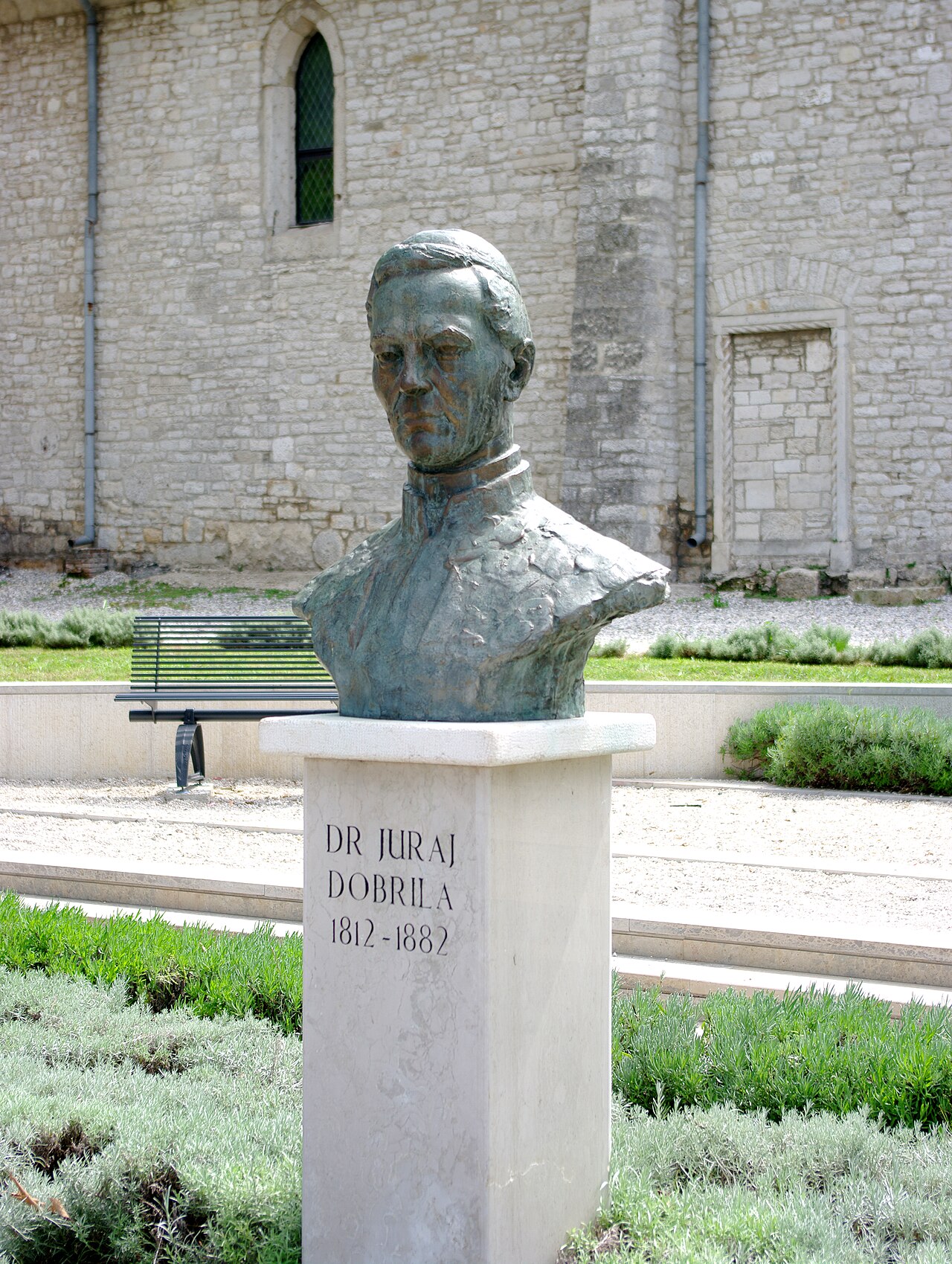
(Photo: Timur V. Voronkov/CC BY-SA 3.0)
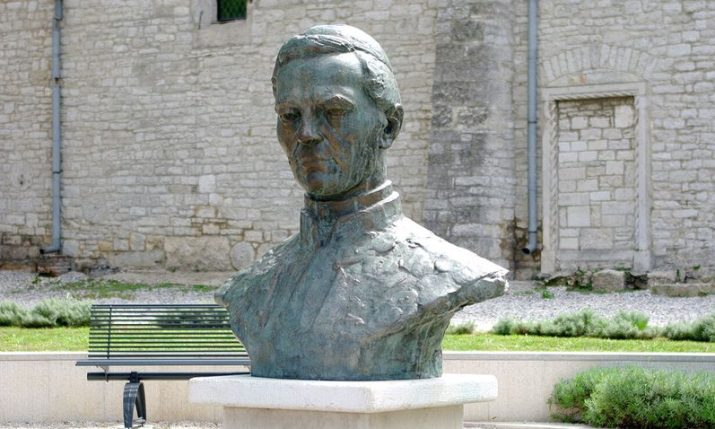
ZAGREB, 25 Jan (Hina) – A solemn Eucharist marking the return and burial of the earthly remains of Bishop Msgr Juraj Dobrila (1812-1882), one of the most significant church and national figures of Istria, was held last week at the Cathedral of the Assumption of the Blessed Virgin Mary in Poreč.
A large number of worshippers and guests from Istria, across Croatia and from neighbouring countries gathered at the cathedral, confirming the enduring strength of Dobrila’s spiritual and social legacy.
The Eucharistic celebration was led by the Bishop of Poreč and Pula, Msgr Ivan Štironja.
The return of Bishop Dobrila’s earthly remains to his homeland, Croatia, and to his native Istria was seen as a powerful sign of hope and a reminder that a life devoted to faith, love and service to others does not remain without fruit.
“The circumstances of the time were such that this did not happen until today, when we lay him to rest in the bishops’ tomb of the cathedral in which, from 1858 to 1875, he proclaimed the Gospel message of salvation, until his transfer to Trieste,” Bishop Štironja said.
The Bishop of Trieste, Msgr Enrico Trevisi, highlighted the significance of the handover of Bishop Dobrila’s remains to the Church in Istria as a strong symbol of unity and peace, while the Archbishop of Zagreb and President of the Croatian Bishops’ Conference, Msgr Dražen Kutleša, stressed that the transfer of Bishop Dobrila’s remains is not merely a return of his body to the homeland, but above all a return of testimony, conscience and peace.
He emphasised that the life and work of Juraj Dobrila can be summed up in his well-known motto, “Hands to Istria, heart to God”, which encompasses all his earthly efforts devoted to the people and their survival.
On Friday evening, a commemorative event dedicated to the life, work and lasting significance of this distinguished Istrian bishop and national revivalist was held at the Istrian Assembly Hall.
Participants highlighted Dobrila’s difficult life path, marked by poverty, as well as his exceptional thirst for knowledge.
He was educated in Tinjan, Pazin, Karlovac, Gorizia and Vienna, where he earned a doctorate in theology, and later served as a chaplain, catechist, professor of dogmatics, parish priest and canon in Trieste. He was appointed Bishop of the Diocese of Poreč and Pula by Pope Pius IX in 1857.
He featured on the 10 kuna banknote (1994–2023 series, featuring Bishop Juraj Dobrila on the front and the Pula Arena with Motovun town layout on the back).