
Published on
January 25, 2026
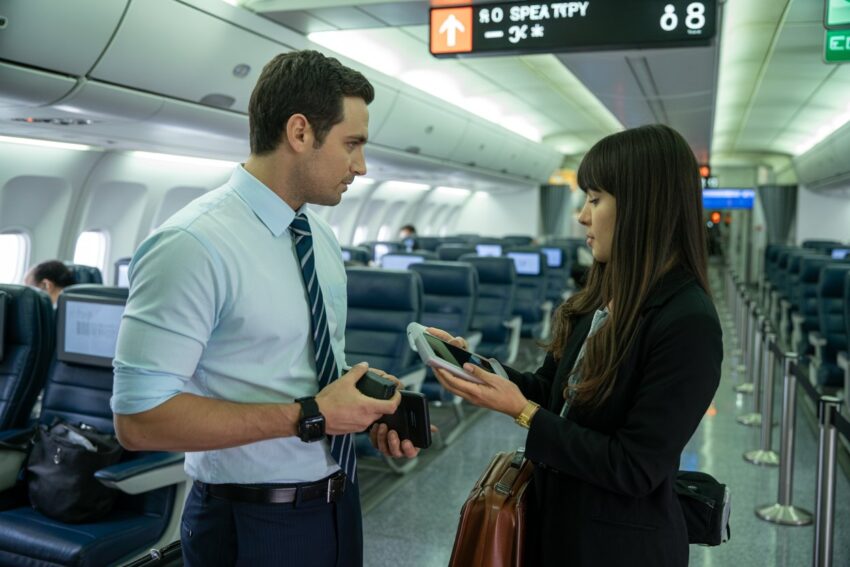
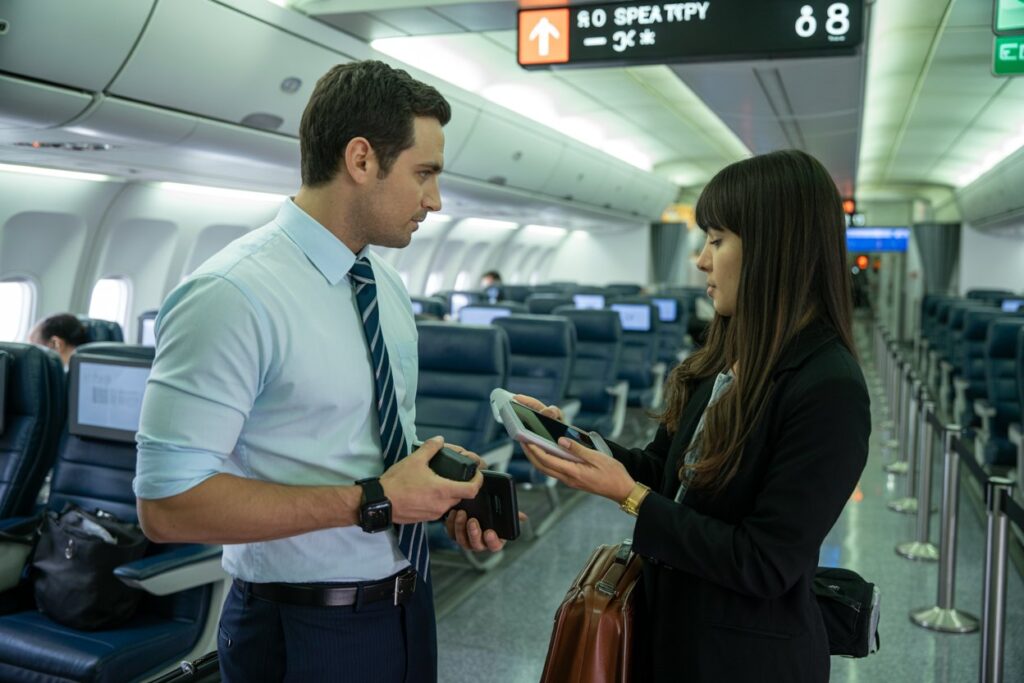
From 15 January 2026, Swiss International Air Lines (SWISS) will no longer allow passengers to use or charge power banks during flights, a policy aligned with official Swiss aviation safety guidance from the Federal Office of Civil Aviation (FOCA) and global safety standards. This major shift affects passengers arriving or departing Swiss airports such as Zurich and Geneva and is designed to cut fire risks linked to lithium‑ion batteries widely used in portable chargers. These updated rules are published on SWISS’s official baggage and battery policy page, which clearly states that charging and using power banks on board is prohibited and only permitted in hand luggage with strict conditions.
Official Swiss Aviation Authority Rules on Batteries
The Swiss aviation regulator FOCA covers lithium battery carriage in detail on its official “batteries and aviation” guidance. According to this government source, lithium batteries and power banks are only permitted in hand luggage and must have terminals protected against short circuits. Batteries above 160 watt‑hours are prohibited on passenger aircraft. Batteries between 100 and 160 watt‑hours are allowed only with airline approval prior to travel. Using or recharging such batteries on board is explicitly not permitted.
What the SWISS Policy Means in Practice
Under the SWISS policy:
• Passengers may carry a maximum of two power banks in their carry‑on luggage.
• Using the power bank to charge other devices onboard is forbidden.
• Charging the power bank itself via aircraft power outlets or USB ports is banned.
• Power banks must not be stored in overhead bins but under the seat, in seat pockets, or on the passenger’s person.
• Power banks above 100 Wh require airline approval before travel.
The Safety Logic Behind the Ban
The focus on power banks stems from concerns about lithium‑ion battery safety. These batteries can overheat, short circuit, or—even though rare—ignite if they malfunction. Swiss and other regulators like the European Union Aviation Safety Agency (EASA) and International Air Transport Association (IATA) emphasise that loose batteries should remain in the cabin, accessible and visible, to allow crew swift action in emergencies.
Advantage for Travellers: Safety First
For travellers, the biggest benefit of this ban is enhanced flight safety. Power banks—which can reach high temperatures during use—pose a risk that cabin crews cannot fully monitor if stored away. By mandating that these batteries remain unused and properly stowed in accessible locations, the new policy reduces the chance of a battery‑related fire on board. This is especially important on long‑haul flights where evacuation is complex and hazards are magnified.
Advantage for Consistency Across Airlines
SWISS’s rules mirror guidance used by many global carriers and aviation authorities. This standardisation helps travellers by reducing confusion about what is allowed when flying internationally. Even if each airline’s exact rules vary slightly, the underlying principle—no use or charging of power banks in flight—remains common among safety‑focused operators.
Advertisement
Advertisement
Disadvantage for Travellers: In‑Flight Power Planning
A clear downside for passengers is the loss of portable charging convenience in the air. Many travellers depend on power banks for entertainment, work, navigation and communications—especially on flights where seat power outlets may be absent, unreliable, or unavailable. Now, travellers must fully charge devices before departure or rely solely on aircraft power (where permitted) without using their own portable battery.
Disadvantage: Potential Confusion and Travel Disruption
Another challenge arises from battery capacity limits and airline approval requirements. Travellers unfamiliar with watt‑hour ratings might bring a power bank that is technically oversized. Without prior airline approval, they may have it confiscated at security or refused boarding. This adds an extra layer of planning for international itineraries and connecting flights across carriers with different policies.
Practical Tips for Travellers
Before flying with SWISS in 2026, check these points:
• Verify your power bank’s watt‑hour rating on the device label.
• Contact SWISS for approval if carrying power banks between 100–160 Wh.
• Pack power banks in your carry‑on only.
• Keep devices fully charged before boarding, anticipating no in‑flight charging from power banks.
Conclusion: Safety Comes First, But Plan Ahead
Swiss government‑aligned rules for SWISS flights reflect a safety‑oriented shift in aviation policy that prioritises reducing lithium battery risks. While this means passengers must adapt how they power devices during air travel, the emphasis on safety and clear battery handling guidelines from official sources offer certainty and protection. Travellers who prepare properly—charging devices ahead of time, following watt‑hour limits, and securing airline approvals where needed—will find the transition manageable and their journeys safer.
