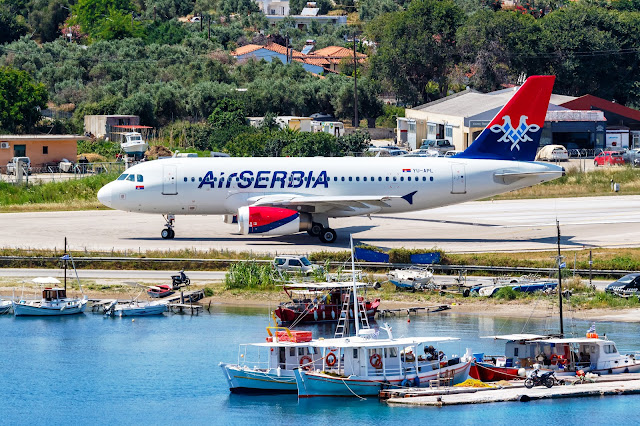

Air Serbia plans to further densify its network during the upcoming summer season. In addition to launching five new routes as part of the summer 2026 schedule, which begins on March 29, the carrier will also increase frequencies on a further 21 routes from Belgrade. Furthermore, it plans to restore seasonal operations to several destinations earlier than last year. In May, Air Serbia has scheduled 46 additional weekly flights compared to last year, 34 more in June and 30 more in July. During September, the airline will operate an extra 47 weekly flights. Overall, Air Serbia is set to add between 2.700 and 4.200 additional seats per week to the market over the summer months.
Athens and Vienna will see the largest frequency increases, with peak operations to the Greek capital rising from fourteen to eighteen weekly, while Vienna will grow from seventeen to 21 weekly. Brussels will be boosted from three to five weekly, Ohrid will be doubled from two to four weekly, and Milan will increase from nine to eleven weekly. Several destinations will also gain an additional weekly rotation, including Heraklion (four weekly), Ankara (four weekly), Florence (three weekly), Istanbul (fourteen weekly), Lisbon (four weekly), Madrid (six weekly), Malta (four weekly), Nice (three weekly), Oslo (daily), Bucharest (twelve weekly), Prague (ten weekly), Pula (five weekly), Thessaloniki (ten weekly), Tbilisi (four weekly), Stuttgart (five weekly), Varna (four weekly) and Split (six weekly).
The resumption of several seasonal routes has been brought forward this year. Palermo, where Air Serbia will face competition from Wizz Air for the first time, is set to resume on April 15, compared to June 7 last year. Catania returns on March 30 instead of April 14, while Chania and Corfu will restart on June 1 rather than June 9. Mykonos is also scheduled to resume on June 1, ahead of last year’s June 6 start date. Services to Pula will recommence on May 3, compared to May 29 in 2025, while Zadar is due to return on May 13 instead of June 3. In addition, Split was upgraded to year-round operations over the winter, meaning flights will be maintained throughout the entire summer season, unlike last year when the route resumed on May 8. Compared to last year, the airline will not operate one route, to Lyon, which was discontinued in late 2025.