
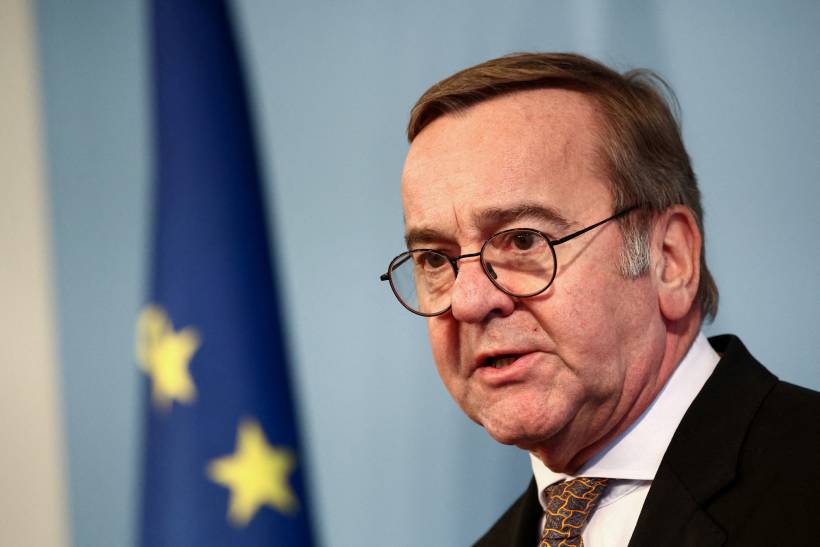
Germany’s Defence Minister Boris Pistorius has called on U.S. President Donald Trump to apologise for remarks implying that NATO allies in Afghanistan avoided frontline service. Trump’s comments, made on Fox Business last week, suggested the U.S. “never needed” NATO and that allies stayed “a little off the front lines,” provoking criticism from European politicians and military veterans.
The German Response
Pistorius described Trump’s statements as disrespectful, highlighting the sacrifices of thousands of German troops who served in NATO missions in Afghanistan, where 59 German soldiers were killed. Speaking on Germany’s ARD public broadcaster, Pistorius stressed that NATO allies “all stood there, at the side of the United States,” and that Trump’s characterization was “simply not true.” He said he planned to raise the issue with U.S. Defense Secretary Pete Hegseth and urged Trump to issue an apology as a “sign of decency, respect and insight.”
European Reaction
Pistorius’ demand adds to a chorus of European criticism. British Prime Minister Keir Starmer called Trump’s comments “frankly appalling,” marking a rare direct rebuke. While Trump later praised British soldiers as “brave,” he did not apologise for earlier remarks and did not acknowledge the sacrifices of other NATO members. Trump’s criticism of Europe also echoes wider complaints from his administration that European countries have relied too heavily on U.S. military support and fallen short of NATO spending targets.
Broader Context
The remarks come amid Germany’s ongoing efforts to rebuild its armed forces. Pistorius noted that Europe must recognise it cannot rely on the U.S. as it did over the past 70 years, but stressed that the German military is on track to reach full operational strength by 2029. His comments suggest a balance between defending allied credibility in the past and asserting Europe’s growing strategic autonomy in the present.
What’s Next
The issue may shape upcoming transatlantic defence discussions, particularly as Pistorius intends to raise it directly with U.S. officials. Trump’s response or lack thereof could influence NATO cohesion debates and further fuel European calls for greater defence independence. The controversy underscores continuing tensions over burden-sharing within the alliance while highlighting the sensitivity surrounding recognition of NATO allies’ sacrifices in past conflicts.
With information from Reuters.