
Published on
January 27, 2026
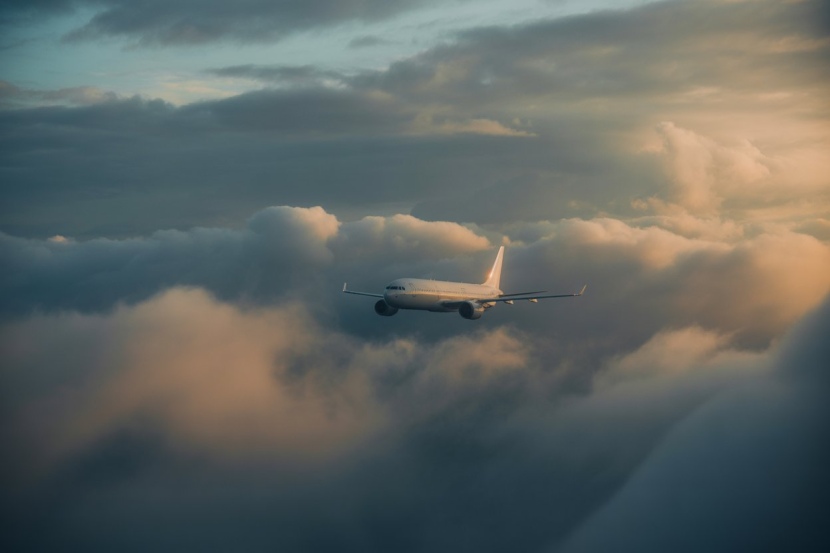
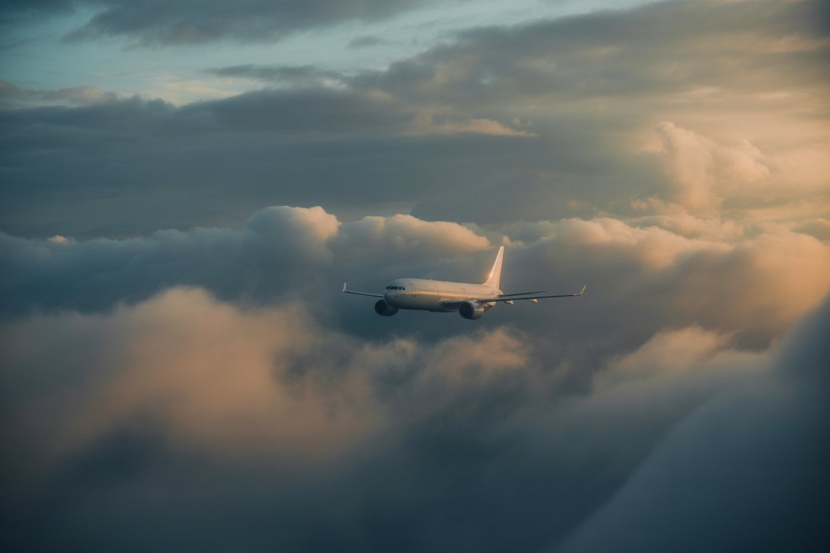
Swiss International Air Lines is set to introduce its newest long-haul aircraft on a key intercontinental connection, with the Airbus A350 scheduled to begin operations between Zurich and Seoul from 29 March. The deployment represents the first time this aircraft type will enter service with the airline and marks the arrival of its newly developed onboard product line in the Korean market. For international travelers, the change signals an update to the long-haul travel experience on one of the carrier’s important intercontinental routes.
The introduction of the Airbus A350 on this route is positioned as a milestone for Swiss International Air Lines, as it combines a fleet upgrade with the rollout of its latest cabin and service concept. Korea becomes the first destination in Asia to receive this new-generation aircraft and onboard offering, following its global introduction in late 2025.
Introduction of the SWISS Senses Cabin Concept
The Zurich–Seoul service will also serve as the launch platform in Korea for the airline’s new “SWISS Senses” concept. This initiative brings a fully redesigned cabin environment across all long-haul travel classes, representing a departure from previous interiors used by the carrier. The Airbus A350 is the first aircraft in the Swiss fleet to feature this complete redesign.
The concept centers on a coordinated approach to cabin design, service presentation, and onboard ambience. Elements such as updated lighting systems, redesigned seating layouts, and revised service details are integrated into a single framework intended to support passenger comfort on extended journeys. The lighting system installed on the aircraft is designed to support passenger well-being during long-haul travel, including measures aimed at reducing the effects commonly associated with time zone changes.
Advertisement
Advertisement
Advertisement
Advertisement
Service elements have also been updated as part of the new concept. Meal presentation and onboard details have been revised to align with the broader cabin redesign, ensuring consistency throughout the travel experience from departure to arrival on the Seoul-bound flight.
A Long-Haul Journey Shaped Around Passenger Experience
For travelers on long-distance routes, aircraft interiors play a significant role in shaping the overall journey. On services such as Zurich–Seoul, where flight duration places greater emphasis on comfort and space, cabin layout and onboard features can influence how passengers experience extended time in the air.
Advertisement
Advertisement
The Airbus A350’s redesigned environment reflects a broader focus on how travelers interact with the cabin during long-haul flights. Seating configurations, lighting transitions, and service pacing are structured to support rest and movement over the course of the journey. While the technical details remain in the background, the result is an onboard setting that is organized around the needs of passengers spending many hours in transit.
This approach aligns with wider trends in long-haul travel, where airlines increasingly focus on how cabin design contributes to passenger comfort rather than solely on transport efficiency. On the Zurich–Seoul route, the introduction of the A350 places this perspective at the center of the travel experience.
Long-Distance Travel and the Changing Expectations of Tourists
As international tourism continues to rely heavily on long-haul air connectivity, traveler expectations around onboard comfort and service consistency have evolved. Extended flights are no longer viewed simply as a means of reaching a destination but as an integral part of the travel experience itself.
For tourists traveling between Europe and Asia, cabin features such as privacy, lighting, and seating flexibility are increasingly relevant. The ability to rest, dine, and move comfortably during flight can shape perceptions of the journey as a whole. On routes like Zurich–Seoul, where travelers may be arriving for leisure or onward exploration, the quality of the flight experience forms an early impression of the trip.
Within this context, the deployment of updated aircraft and cabin concepts reflects an effort to align long-haul travel with the expectations of modern tourists, without altering the fundamental structure of international air travel.
Cabin Configuration Across Four Travel Classes
The Airbus A350 operating on the Zurich–Seoul route features redesigned cabins across four travel classes: First, Business, Premium Economy, and Economy. Each class has been updated with revised layouts, enhanced privacy, and new technological features as part of the SWISS Senses concept.
In the First Class cabin, seating has been reconfigured to include individual suites, offering different space options within the same cabin. Business Class introduces multiple seat variations, allowing different seating formats within the same travel class. These include options designed for privacy, extended bed length, or additional personal space.
Premium Economy and Economy cabins have also been redesigned to align with the broader concept, incorporating updated seating and cabin elements intended to improve comfort on long-haul flights. Across all classes, the redesign emphasizes consistency in design language and onboard atmosphere rather than isolated upgrades.
Korea as the First Asian Market for the A350 Experience
With the launch of the Airbus A350 on the Zurich–Seoul route, Korea becomes the first Asian market to receive this aircraft and the associated cabin concept from Swiss International Air Lines. The timing follows the global introduction of SWISS Senses in late 2025 and places the Seoul service at the forefront of the airline’s long-haul product rollout in the region.
For travelers flying between Switzerland and Korea, the change represents a shift in the onboard environment without altering the route structure itself. The focus remains on delivering long-haul connectivity while introducing a new generation of aircraft and cabin design into regular service.
Image Source: AI
