
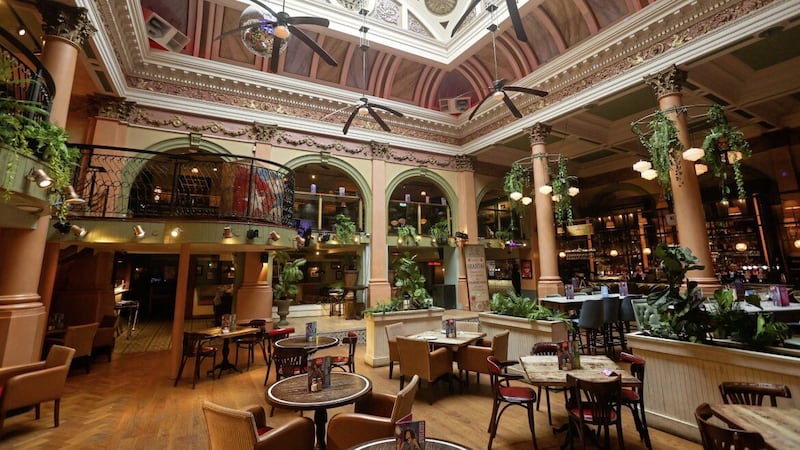
Last week CBRE NI’s Outlook 2026 event at the ICC brought together 500 people from across property, infrastructure, local government and sporting bodies.
As well as an analysis of the commercial property market from our team, this year’s theme was ‘Real Estate and Sports-Led Regeneration’, and the scale of attendance alone spoke volumes about the appetite for a serious conversation around how sport can play a bigger role in shaping Northern Ireland’s economic future.
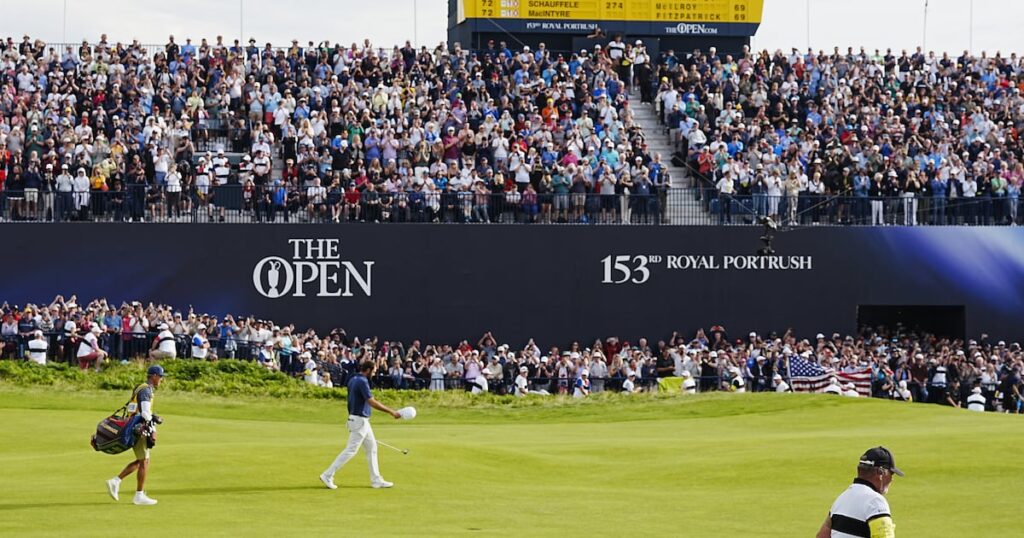
hat conversation was prompted by a striking contrast last summer. On one hand, the undoubted success of The Open at Royal Portrush, which delivered close to £300 million in economic benefit and showcased the region to a global audience.
On the other, the deeply disappointing news that Belfast will not host any matches during the UEFA Euro 2028 Championships, following prolonged delays to the redevelopment of Casement Park.
The lesson is not that we lack ambition or capability. Rather, it is that when we do secure major sporting or cultural events, we deliver them exceptionally well. The challenge is consistency: how do we ensure we attract our fair share of these opportunities, and, crucially, how do we plan for them in a coordinated, long-term way?
That question sits at the heart of a new initiative we announced at the event that is entitled United By Sport.
Developed in partnership with Turner & Townsend, this multi-stakeholder platform is designed to bring together professional services firms, sporting bodies, local councils and central government around the shared objective of maximising the regeneration potential of sport.
The premise is simple. Northern Ireland needs stronger alignment between those who plan, fund, design and deliver sports infrastructure, and those who govern and regulate it. United By Sport aims to create a forum for collaboration, data-sharing and problem-solving that will enable stakeholders to learn from each other’s experiences, coordinate future investment and build a pipeline of deliverable projects rather than one-off ambitions.
We do, after all, have a strong track record. Events such as the Belfast Marathon, North West 200, Irish Open, NI Snooker Open, Ulster Rugby fixtures and major Gaelic games consistently deliver economic and social value.
On a global stage, the Giro d’Italia and two Open Championships at Royal Portrush demonstrated what is possible when planning, infrastructure and ambition align.
Looking ahead, opportunities remain firmly on the horizon. The 2027 Ryder Cup at Adare Manor will have a positive spill-over effect for Northern Ireland. More significantly, Belfast remains in the mix as part of the UK and Ireland bid to host the 2035 FIFA Women’s World Cup.
Analysis shared at Outlook 2026 suggests that hosting World Cup matches could generate up to £120 million in economic impact for Belfast alone, depending on the significance of the selected matches.
But the benefits go well beyond headline figures. Major sporting events drive inward investment, boost tourism, support retail and hospitality, accelerate infrastructure delivery and help modernise venues through smart technology and sustainable design.
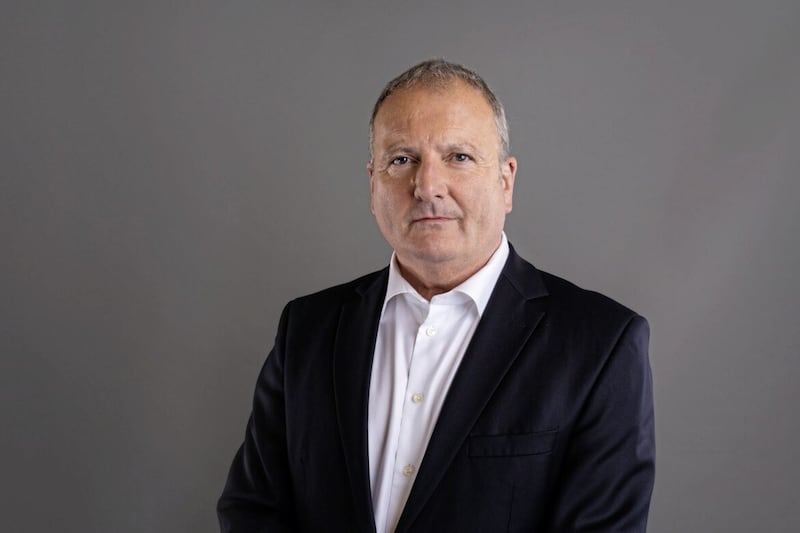 Brian Lavery
Sport, done properly, is not just entertainment. It is an economic catalyst. And if Northern Ireland is serious about regeneration, productivity and global visibility, then sport must be part of the long-term strategy – not as an afterthought, but as a core pillar of future growth. United By Sport is about turning that belief into action.
- Brian Lavery is managing director at CBRE NI