
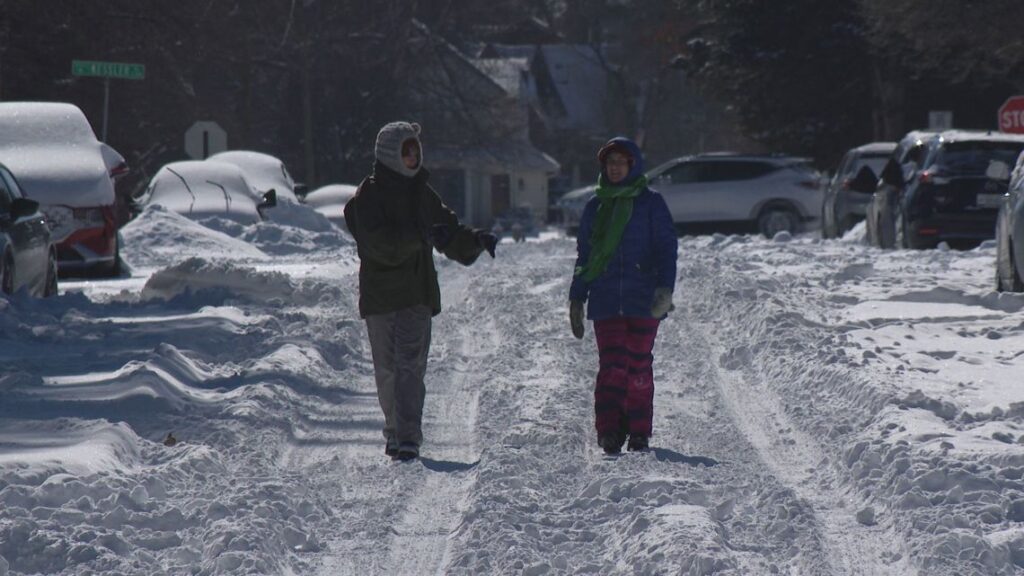
The bitter cold temperatures are more than just uncomfortable, they can be dangerous.
INDIANAPOLIS — Bitter cold temperatures are more than just uncomfortable, they can be dangerous.
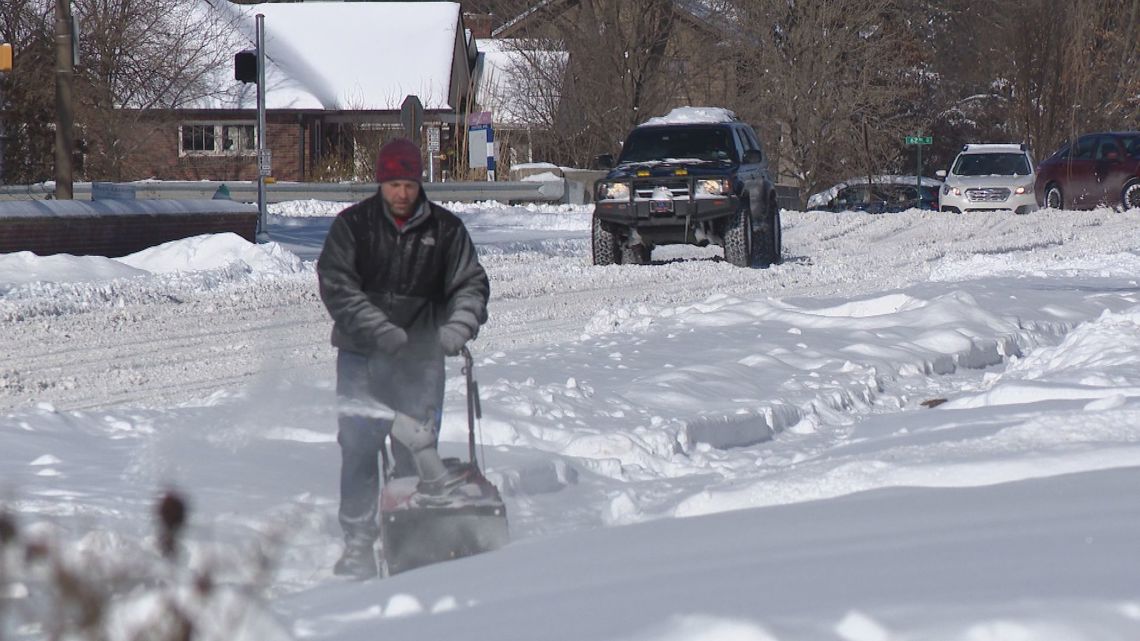
The frigid weather is keeping many people indoors, but for others, shoveling snow and outdoor chores are unavoidable. First responders say taking precautions and pacing yourself can help prevent serious injury.
The Trevor Hash, division chief with the Noblesville Fire Department, said preparation is especially important when shoveling snow.
“Dress in layers. It’s very cold outside. Make sure you stay hydrated. Take lots of breaks. Lift with your legs, not your back,” Hash said.
He stressed that people should listen to their bodies and stop immediately if they start feeling unwell.
“If you are shoveling and you experience chest pain, dizziness, shortness of breath, that’s your body telling you it’s time to stop,” Hash said.
RELATED: ‘Going to take a little while’ | Indy leaders hope to have snow removal complete by late Tuesday
Cold exposure itself can also quickly become dangerous. Hash said symptoms such as fatigue, shivering, confusion and clumsiness can be early signs of hypothermia and you should immediately go inside and warm up.

Doctors echo those warnings. Dr. Ryan King with Franciscan Health said there is no safe amount of time to be outside in extreme cold, even short exposure can lead to injury.
“Being outside for even a few minutes, you can get something called frostnip,” King said. “This is just kind of the numbness, tingling sensation, burning sensation of the skin that will typically go away once you go inside.”
King said frostbite can develop in as little as 10 minutes in dangerous windchills and may cause permanent damage.
“This could lead to serious issues like digit amputations, gangrene,” King said. “And really could be life-threatening if it is more advanced.”
First responders and doctors recommend taking frequent breaks, watching for warning signs and going indoors when needed. People who experiences numbness, tingling or burning that does not improve after warming up, or notices changes in skin color should seek medical care immediately.